

Bizerte Day Trip from Tunis: Visiting Africa’s Northernmost City and Historic Harbor
The moment Bizerte won me over was not at a famous monument. It was at the old port, where fishermen were working beside brightly painted boats while people sat over coffee and mint tea as if the harbor had all the time in the world. After several days of Roman ruins, medinas and busy Tunis streets, the change of rhythm was immediate. My Bizerte day trip from Tunis became one of those days that worked because the city was still going about its own life around me.
Why I think Bizerte is worth the detour: it gives you a working Mediterranean port, an Ottoman-era kasbah, a compact medina, layered colonial history and, if you have a car or tour, an easy extension to Cap Angela at the northern edge of the African continent.
Bizerte is the destination here. I keep broader Tunisia route planning in my Tunisia itinerary, while Tunis itself belongs in my one-day Tunis guide.
Choose Your Bizerte Day Trip Before You Leave Tunis
The transport choice changes how much of northern Tunisia you can fit into one day.
Drive Yourself
This is the option I chose. It gives you complete control over the day and makes Cap Angela realistic without arranging a waiting taxi.
Take a Guided Day Trip
The simplest option if you want Bizerte plus Cap Angela and nearby sites without driving or negotiating local transport.
Use a Louage
The most practical independent public-transport choice for Bizerte itself. Focus the day on the old port, medina, kasbah and fort rather than forcing in Cap Angela.
My One-Day Bizerte Route from Tunis
Start at the Vieux Port
I began at Bizerte’s old harbor, and it immediately explained the city better than any introduction could. Fishing boats were tied along the quay, people were talking over coffee, and the port felt functional rather than staged. Give yourself time to walk slowly instead of treating it as a photo stop.
Walk the Kasbah and Medina
From the port, continue into the kasbah and the old medina. I found the lanes noticeably quieter than Tunis. Small shops, white-and-blue houses and ordinary residential life take over quickly once you leave the waterfront.
Eat Seafood Near the Water
I stopped at Restaurant El Ksiba and ordered grilled sea bass with a Tunisian salad. The food was good, but the setting mattered just as much: fishing boats, sea air and a city that still feels connected to its catch. I followed it with mint tea, which became one of the simplest pleasures of the day.
Climb to Fort d’Espagne
The Spanish Fort gives you the clearest overview of Bizerte. From above, I could see the old roofs, the lagoon, the harbor channel and the Mediterranean in the same sweep. The structure is rough around the edges, which suited Bizerte perfectly.
Add Cap Angela if You Have a Car or Tour
Cap Angela is the geographic finale that turns a Bizerte visit into a wider northern-Tunisia day. The headland is exposed, rocky and simple. There is no huge attraction waiting for you, just the marker, the cliffs and the feeling of standing at the northernmost point of the African continent.
Vieux Port: The Bizerte I Came For
Most descriptions of Bizerte lead with the old port, and after visiting I understand why. This is not a marina created for visitors. I watched fishermen working beside their boats, fish being handled along the quay and people lingering at cafés with no sense of performance for tourists.
The harbor is compact, but rushing it misses the point. I stopped for mint tea, watched the small interactions along the water and let the scene unfold. That lived-in quality became the strongest memory of my visit and the clearest reason Bizerte feels different from Tunisia’s better-known resort towns.


Kasbah and Medina: Quiet Streets Behind the Harbor
Just behind the port, the mood changes again. I entered the medina through a modest gate and found narrow residential lanes rather than a tourist market. Bread, olives, spices and ordinary household routines mattered more than souvenir shops.
One lane opened onto a small local wedding celebration. I stopped for a while and watched from a respectful distance. Moments like that are why I prefer walking without a rigid checklist in places like Bizerte. The city reveals itself through ordinary life as much as through monuments.
The kasbah walls also make the relationship between Bizerte and the sea easy to read. From the higher points, the harbor channel, old port and open Mediterranean fit together in one view.


A Short History That Helps Bizerte Make Sense
Bizerte’s appeal is easier to understand once you know why so many powers cared about this harbor. I kept the history here to the parts that changed what I was looking at while walking around the city.

Lunch in Bizerte: Seafood, Harbor Views and Mint Tea
By lunchtime, seafood felt like the obvious choice. I ate at Restaurant El Ksiba near the waterfront and ordered grilled sea bass with Tunisian salad and a cold lemon drink. The fish was simply prepared and fresh, exactly what I wanted after a morning around the working port.
There are more polished restaurants around Bizerte, including waterfront options that lean more upscale, but I found the simpler harbor experience suited the city better. Prices change quickly, so I no longer build the guide around fixed menu amounts. Check the menu before ordering fish sold by weight.

Fort d’Espagne: My Favorite View Over Bizerte
After lunch, I climbed toward the Fort d’Espagne, the Spanish Fort above the medina. This is separate from Fort Sidi el Henni near the old port entrance, a distinction that is easy to blur when reading older descriptions of Bizerte.
The Spanish Fort was one of the best stops of my day because the view ties the city together. From the hill, I could trace the medina roofs, lagoon, port channel and open sea. A local couple was taking engagement photos nearby, which added another small piece of everyday Bizerte to a place built for military strategy.

The French Legacy and the 1961 Bizerte Crisis
Bizerte still carries a visible French imprint in its boulevards, balconies and older civic buildings. Some of those structures are beautifully proportioned, others are decaying, and together they give the modern city a very different texture from the old port.
The history is not merely architectural. France retained the Bizerte naval base after Tunisia became independent in 1956. Tensions culminated in the violent Bizerte Crisis of July 1961, and the French military presence did not end until the base was evacuated in October 1963. Knowing that changed the way I looked at the modern naval infrastructure along the canal.
Cap Angela: Should You Add the Northernmost Point of Africa?
Yes, if you have a car or are on a tour. Cap Angela is roughly 12 km from central Bizerte, and the last stretch feels much more remote than the distance suggests. I passed beaches, rocky coastline and small local cafés before reaching the headland.
The attraction is geographic rather than monumental. A marker identifies the northernmost point of the African continent, with open Mediterranean views around it. I found the simplicity part of the appeal. You come for the location, the wind and the sense of reaching the edge of the map, not for a long list of things to do.
Add Cap Angela
If you are driving, like geographic landmarks or want a wilder coastal finish to the day.
Skip Cap Angela
If you are using a louage, prefer an unhurried city day or want more time around the old port and medina.

What About Ichkeul and Utica?
They are useful additions to a northern Tunisia road trip, but they are not part of central Bizerte and I do not recommend cramming every nearby sight into an independent day unless you have an early start and a car. Ichkeul National Park is a UNESCO-listed wetland landscape southwest of Bizerte, while Utica lies on the route between Tunis and the north.
If your priority is Bizerte itself, give the city room. If your priority is covering several northern Tunisia highlights in one day, the organized tour below makes more sense because the transport is already sequenced.

Private Day Trip: Utica, Bizerte, Cap Angela & Ichkeul
I looked into organized options before deciding to rent a car. This one solves the hardest part of the day, connecting places that are awkward to combine independently without your own vehicle.
Check the Bizerte tourHow to Get from Tunis to Bizerte
Bizerte is around 65 km north of Tunis. For a straightforward city day, public transport works. For Cap Angela or a broader northern-Tunisia loop, a car changes the day completely.
I found a good rental-car deal through Discover Cars for my own Tunisia trip.

Compare Rental Cars for Tunisia
A car is the strongest option when Bizerte is part of a wider road trip or when Cap Angela matters. Compare the full rental price, insurance terms and pickup conditions rather than only the headline daily rate.
Search rental carsStaying Overnight in Bizerte: Two Characterful Options
A day trip is enough for the main city sights, but an overnight stay makes sense if you want the old port after the day-trippers leave, a slower dinner, or more time for Cap Angela. I did not stay overnight in Bizerte, so these are location-based recommendations rather than hotels I personally tested.
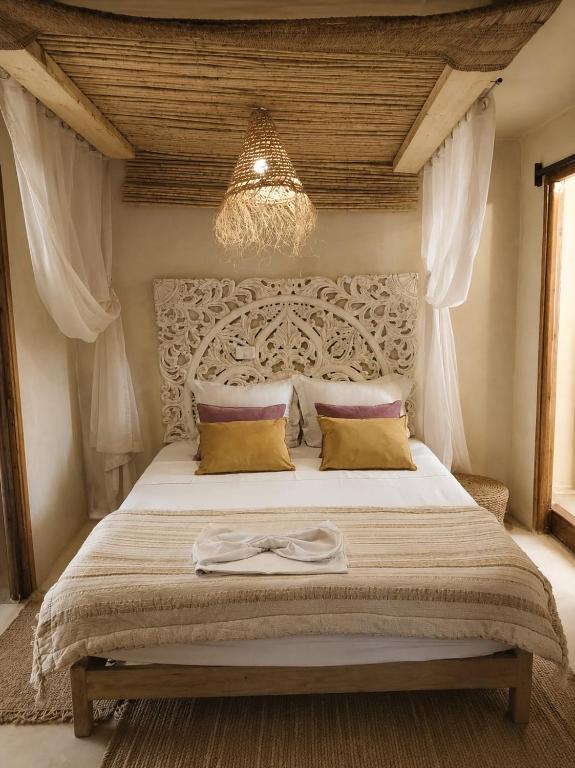
Al Madina, Traditional Riad
The location is the reason start here for an overnight extension. It sits at the Vieux Port, so the historic harbor and medina remain outside your door rather than becoming another transfer.
Check prices & availability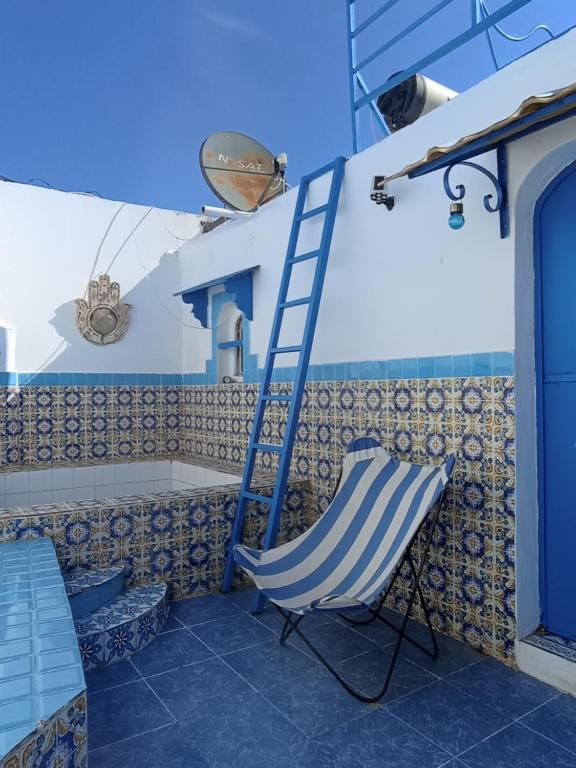
Dar Warda
Dar Warda is inside the medina close to the old port, which makes it a natural fit for the version of Bizerte I enjoyed most: quiet lanes, harbor life and a stay embedded in the old city rather than a resort zone.
Check prices & availabilityHotel links are affiliate links. If you book through them, I may earn a commission at no extra cost to you.
Is Bizerte Worth Visiting?
Yes, especially if you have already seen the headline sights around Tunis and want somewhere that feels less curated. Bizerte gave me a working harbor, an easy medina, excellent sea views and enough history to keep the day interesting without making the city feel like an open-air museum.
What stayed with me was the ordinary rhythm. Fishermen mending nets, children in the medina, a local wedding, an engagement photo shoot at the fort, people sitting by the water. Those details made Bizerte feel inhabited first and visited second.
It is also a very different proposition from Sidi Bou Said and Carthage. Those belong naturally to the classic Tunis sightseeing circuit. Bizerte deserves its own day because the appeal is the journey north, the harbor city and, if you add it, Cap Angela.
Bizerte Day Trip FAQs
Can you visit Bizerte as a day trip from Tunis?
Yes. Bizerte is around 65 km north of Tunis and works well as a full-day trip. A louage is practical if you are staying in the city, while a rental car or tour is better if you also want Cap Angela.
How much time do you need in Bizerte?
Give central Bizerte at least four to five relaxed hours for the old port, medina, kasbah, lunch and Fort d’Espagne. Add more time if you are continuing to Cap Angela.
What is Bizerte famous for?
Bizerte is best known for its historic Vieux Port, kasbah, maritime history and strategic harbor. It is also the obvious base for reaching Cap Angela, the northernmost point of the African continent.
Can you get to Cap Angela without a car?
It is possible by arranging a taxi from Bizerte, but there is no simple tourist shuttle linking the city and the cape. A car or organized tour makes the return logistics much easier.
Is the train from Tunis to Bizerte worth using?
For a day trip, I prefer the louage or a car. The train is slower, so it uses more of the limited daylight without giving you extra flexibility once you arrive.
Is Bizerte good for beaches?
There are beaches around Bizerte and along the northern coast, but the historic harbor and city atmosphere are the stronger reasons to make the trip. If swimming is the priority, build more coast time into the day.
Did I feel safe in Bizerte?
I felt comfortable walking around the old port, medina and central sights during my visit. I still use normal city precautions with valuables and check current official travel advice before every trip.
Should you stay overnight in Bizerte?
You do not need to for the main sights, but one night makes sense if you want a slower harbor evening or want to separate Bizerte and Cap Angela rather than compressing both into a single day.
My Final Take on Bizerte
Bizerte works because it does not feel like a substitute for somewhere else. It is not another Carthage, another Sidi Bou Said or another resort town. The old harbor, medina, naval history and northern coastline give it a character of its own.
For my day, the winning combination was simple: drive up from Tunis, spend the core of the day around the Vieux Port and medina, eat seafood by the water, climb to the Spanish Fort and finish at Cap Angela. That route gave me both the city and the geography without turning the day into a race.

Continue planning Tunisia: place Bizerte in context with my 7, 10, 14 and 21-day Tunisia itinerary. If you are based in the capital, use my one-day Tunis itinerary and my Sidi Bou Said and Carthage day-trip guide for separate days rather than squeezing them into Bizerte.
Last Updated on 22/09/2026 by Panos


I’m so glad you enjoyed Bizerte–it’s a stunning place. If you go back, you absolutely must try the lablabi sandwiches and the millefeuille; they’re Bizerte specialties. Happy traveling!
Hi Luke and thanks for the tip! I love trying local foods, so this is dully noted. 🙂