


Where to Stay in Chengdu: The Areas I’d Choose (and the Ones I Wouldn’t)
I stayed near Chunxi Road and explored Chengdu by metro, Didi, and on foot. Here’s where I’d book for a first visit, where I’d stay for a slower trip, and which hotel locations I’d skip.
After Tibet, I spent a few nights in Chengdu during my month-long trip across China. I booked a room near Chunxi Road and used the metro and Didi to get to Wenshu Monastery, People’s Park, Jinli, and the Panda Base. Other Unusual Nomad team members stayed in different hotels, and I also compared notes with local friends about the areas and places they recommend. So if you’re wondering where to stay in Chengdu, I’m drawing on more than just my own hotel experience. Between our stays and the local advice, I got a pretty good idea of which locations I’d happily return to—and which sound better on a hotel listing than they feel when you’re actually getting around.
Some links in this article are affiliate links. If you book through them, I may earn a commission at no extra cost to you. I personally stayed at Echeng Hotel. My other hotel recommendations draw on experiences from Unusual Nomad team members, suggestions from local friends, and my own research. I’ll make it clear which hotels I’ve actually stayed in and which are recommendations.
I Choose a Hotel for the Whole Stay, Not Just One Sight
It’s tempting to book a hotel near the one attraction you’re most excited about. I wouldn’t. I found it much more useful to stay somewhere that worked every morning and evening than to save time on one trip to the Panda Base. I wouldn’t pay extra just to sleep inside a tourist street, either.
Areas I’d genuinely choose
Places I’d choose only for a specific reason
If I had only two or three nights: I would still start with Chunxi Road / Taikoo Li. Most lists make these areas sound equally convenient. Once you’re actually getting around Chengdu, the differences become obvious.
Four Chengdu Hotels I’d Shortlist for Different Trips

Echeng Hotel
This is where I stayed. My room was spacious and spotless, the staff were helpful, and I appreciated the self-service laundry. I paid about €45 (US$50) a night and would book it again at a similar rate.
Check latest prices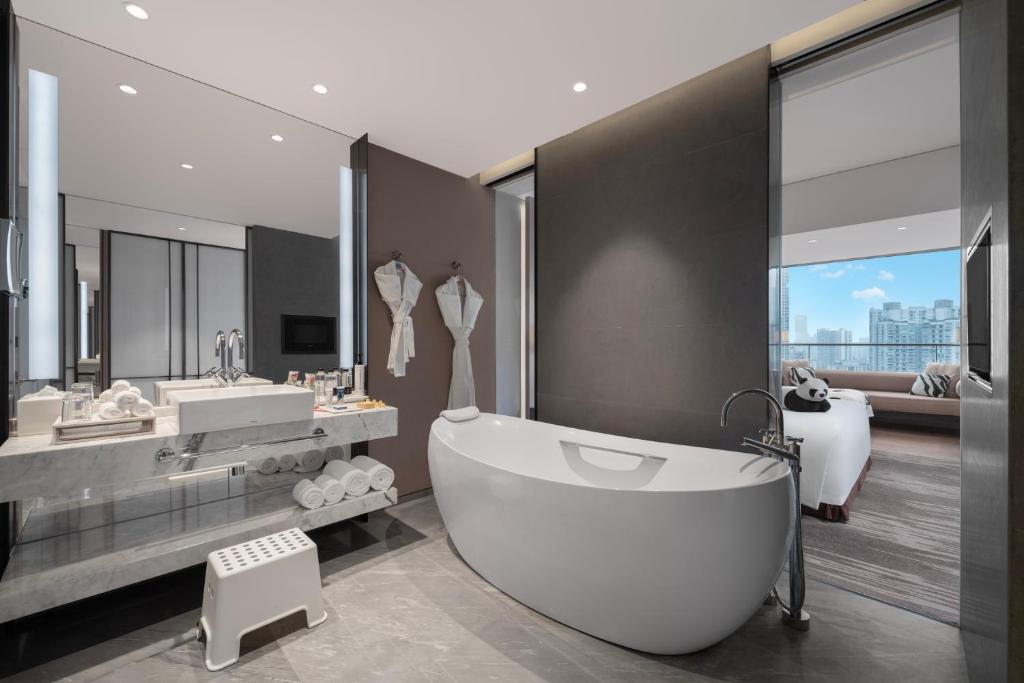
Niccolo Chengdu
If I wanted a luxury stay right by Taikoo Li, I’d look at Niccolo above Chengdu IFS. I like the idea of having skyline views and central restaurants at the doorstep, although this is a researched pick rather than a hotel I’ve stayed in.
Check latest prices
Buddha Zen Hotel
For a quieter, more traditional-feeling stay, I’d look at Buddha Zen in Wenshufang. Its courtyard-style setting and tea spaces appeal to me more than another modern shopping-district hotel.
Check latest prices
Grand ParcVue Hotel Residence
For a family trip or a longer stay, I’d compare Grand ParcVue. Apartment-style rooms, kitchen facilities and laundry make more sense when I’m staying for a week than on a quick two-night stop.
Check latest pricesHow I chose these hotels: I personally stayed at Echeng Hotel, and other team members who visited China after me tried many of the other properties recommended below. The remaining choices were selected for their exact map position, metro access, facilities and recent verified guest feedback. Hotel names, locations and prices were rechecked on 29 August 2026.
If you are planning the full route through the city, my 2 days in Chengdu itinerary shows exactly how these neighborhoods fit into a first-time visit. If you want to use Chengdu as a base beyond the city, my guide to the best day trips from Chengdu covers Leshan Giant Buddha, Dujiangyan, Mount Qingcheng, Sanxingdui Museum and nearby ancient towns.
Your hotel choice also affects which experiences are easiest to book. My guide to the best Chengdu tours covers the Panda Base, Sichuan opera, food tours, cooking classes and teahouse experiences.
Chengdu Neighborhoods Compared: Which Base Works for You?
The useful question is not “which neighborhood is most famous?” but what happens to your trip when you sleep there. This comparison separates hotel geography from attraction geography.
| Area | Best for | Useful metro anchor | What your evenings feel like | Main trade-off |
|---|---|---|---|---|
| Chunxi Road / Taikoo Li | First visits, 2–3 nights, easy food and late returns | Chunxi Road · Lines 2 & 3 | Busy, bright, effortless for dinner and transport | Commercial, crowded and less atmospheric |
| Tianfu Square | Families, efficient sightseeing, central transfers | Tianfu Square · Lines 1 & 2 | Functional and calmer after office hours | Less appealing for unplanned evening wandering |
| People’s Park / Kuanzhai edge | Tea culture, slower mornings, central old-city feel | People’s Park · Lines 2 & 17; Kuanzhai · Line 4 | Calmer, with better access to teahouses and old-city walks | Main Kuanzhai lanes are tourist-heavy by day |
| Wenshu Monastery | Courtyard stays, value, quiet mornings | Wenshu Monastery · Line 1 | Quiet and local-feeling | Thinner late-night choice and more transfers |
| Jinli / Wuhou Shrine | Three Kingdoms history and lantern-lit evening walks | Wuhou Shrine · Line 10 | Atmospheric but visitor-facing | Less efficient for repeated trips across central Chengdu |
| Yulin | Food, repeat visits and neighborhood life | Fangcao Street · Line 8; Nijiaqiao · Lines 1 & 8 | Restaurants, bars and everyday residential life | No major first-time sights at your doorstep |
| Jiuyanqiao | Nightlife and riverfront evenings | Jiuyanqiao · Line 13 | Bars, riverside lights and late nights | Noise and little reason to stay if nightlife is not a priority |
Chunxi Road / Taikoo Li
- Best for
- First visits, 2–3 nights, easy food and late returns
- Useful metro anchor
- Chunxi Road · Lines 2 & 3
- What your evenings feel like
- Busy, bright, effortless for dinner and transport
- Main trade-off
- Commercial, crowded and less atmospheric
Tianfu Square
- Best for
- Families, efficient sightseeing, central transfers
- Useful metro anchor
- Tianfu Square · Lines 1 & 2
- What your evenings feel like
- Functional and calmer after office hours
- Main trade-off
- Less appealing for unplanned evening wandering
People’s Park / Kuanzhai edge
- Best for
- Tea culture, slower mornings, central old-city feel
- Useful metro anchor
- People’s Park · Lines 2 & 17; Kuanzhai · Line 4
- What your evenings feel like
- Calmer, with better access to teahouses and old-city walks
- Main trade-off
- Main Kuanzhai lanes are tourist-heavy by day
Wenshu Monastery
- Best for
- Courtyard stays, value, quiet mornings
- Useful metro anchor
- Wenshu Monastery · Line 1
- What your evenings feel like
- Quiet and local-feeling
- Main trade-off
- Thinner late-night choice and more transfers
Jinli / Wuhou Shrine
- Best for
- Three Kingdoms history and lantern-lit evening walks
- Useful metro anchor
- Wuhou Shrine · Line 10
- What your evenings feel like
- Atmospheric but visitor-facing
- Main trade-off
- Less efficient for repeated trips across central Chengdu
Yulin
- Best for
- Food, repeat visits and neighborhood life
- Useful metro anchor
- Fangcao Street · Line 8; Nijiaqiao · Lines 1 & 8
- What your evenings feel like
- Restaurants, bars and everyday residential life
- Main trade-off
- No major first-time sights at your doorstep
Jiuyanqiao
- Best for
- Nightlife and riverfront evenings
- Useful metro anchor
- Jiuyanqiao · Line 13
- What your evenings feel like
- Bars, riverside lights and late nights
- Main trade-off
- Noise and little reason to stay if nightlife is not a priority
Chunxi Road and Taikoo Li: The Best Area for a Short First Visit
If you want the simplest answer, stay around Chunxi Road and Taikoo Li.
This is the part of Chengdu I would recommend to most first-time visitors because it makes the city easy. You are central, well connected, surrounded by restaurants and shops, and in a part of town that works especially well for a short stay.
Chunxi Road is sometimes dismissed because it is modern and commercial. That criticism is fair to a point. It is not the most atmospheric part of Chengdu, and if your ideal base is a courtyard or a quiet tea-house street, this is not it. But after a full day at temples, parks, older neighborhoods or the Panda Base, returning somewhere with abundant food, easy Didi pickups and useful metro connections has real value.
Line 2 runs directly toward Chengdu East Railway Station. Line 3 heads north and is useful for Panda Base journeys, although the final approach still depends on the entrance and route you choose. That makes Chunxi particularly effective when your itinerary pulls you in several directions.
Hotels I Recommend Around Chunxi Road and Taikoo Li
Echeng Hotel
This is where I stayed. My room was spacious and spotless, the staff were helpful, and I appreciated the self-service laundry. I paid about €45 (US$50) a night and would book it again at a similar rate.
Niccolo Chengdu
If I wanted a luxury stay right by Taikoo Li, I’d look at Niccolo above Chengdu IFS. I like the idea of having skyline views and central restaurants at the doorstep, although this is a researched pick rather than a hotel I’ve stayed in.
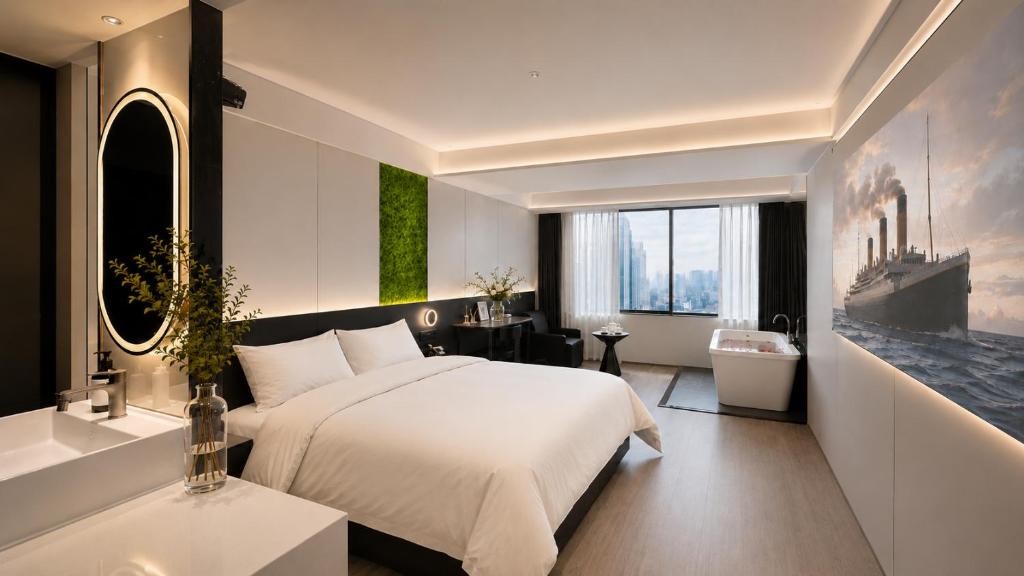
Taikoo Li Premier Hotel
I’d compare this modern option with Echeng if I wanted to stay close to the wider Chunxi Road and Taikoo Li area. I’d still check the exact entrance on the map before paying.
Tianfu Square: Best for a Central and Practical Base
If Chunxi Road feels a little too busy or too sleek, the next place I would look is Tianfu Square.
I think of Tianfu Square as the sensible choice. It is not where I would stay primarily for romance or neighborhood atmosphere; it is where I would stay if I wanted Chengdu to function smoothly from the moment I arrived. Lines 1 and 2 give you a useful central interchange, and Chunxi Road is only one stop away on Line 2.
That can be especially useful for families, travelers arriving tired, or anyone who prefers a calmer return at the end of the day. The trade-off is that some blocks around the civic center become noticeably less interesting after dinner.
Hotels I’d Consider Near Tianfu Square
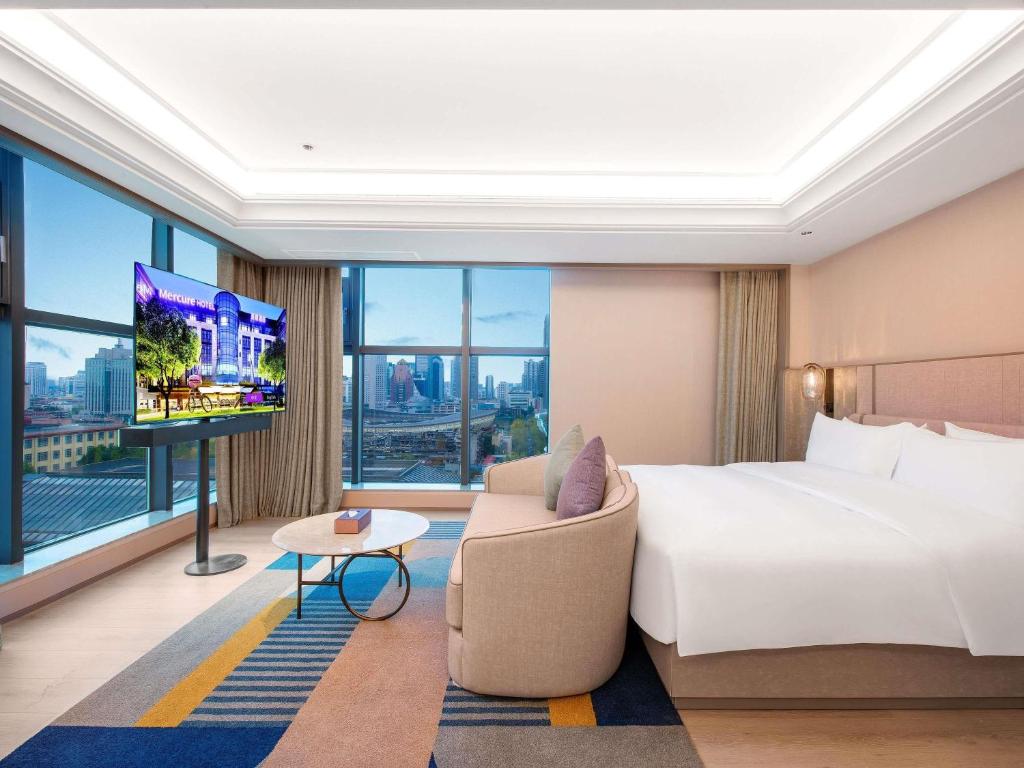
Mercure Chengdu
I’d consider Mercure if Tianfu Square were my priority. A practical four-star hotel, fitness center and self-service laundry are useful, but I’d choose it for the location rather than the atmosphere.
Grand ParcVue Hotel Residence
For a family trip or a longer stay, I’d compare Grand ParcVue. Apartment-style rooms, kitchen facilities and laundry make more sense when I’m staying for a week than on a quick two-night stop.

People’s Park and Kuanzhai: The Old-Chengdu Base I’d Choose More Carefully
This is where I would make a distinction that many accommodation guides blur: People’s Park, the streets around it and the Wide and Narrow Alleys are related, but they are not the same hotel location.
If tea houses, morning walks and Chengdu’s slower rhythm are a major part of the appeal, I would rather look around the People’s Park / Tonghuimen side or the quieter streets between the park and Kuanzhai than pay a premium simply to be inside the restored lanes themselves.
People’s Park Station now serves Metro Lines 2 and 17, while Kuanzhai Alley Station is on Line 4. Line 2 is particularly useful because it runs through Tianfu Square, Chunxi Road and Chengdu East Railway Station. The main Kuanzhai lanes, meanwhile, become heavily visited during the day.

Wenshu Monastery Area: Best for a Slower and More Local-Feeling Chengdu
For a slower and less commercial side of Chengdu, look around Wenshu Monastery.
This is the area I would point to for travelers who want a quieter stay without completely giving up convenience. It still works for a first visit, but it has a softer rhythm than Chunxi Road or Tianfu Square. If your idea of Chengdu includes temple courtyards, tea, quieter streets and slower mornings, Wenshu fits that picture better.
The trade-off is straightforward: Line 1 is useful, but trips toward Chunxi Road or Chengdu East usually involve a change. Your evening restaurant and bar selection is also thinner than in Chunxi or Yulin. For a two-night trip I would still choose Chunxi; for a longer, slower stay, Wenshu becomes much more compelling.
Best Hotels Around Wenshu Monastery
Buddha Zen Hotel
For a quieter, more traditional-feeling stay, I’d look at Buddha Zen in Wenshufang. Its courtyard-style setting and tea spaces appeal to me more than another modern shopping-district hotel.

Xishu Garden Inn
I’d look at Xishu Garden Inn for a smaller stay near Wenshu Monastery. The appeal is its thoughtful rooms and guest feedback, with the metro station a short walk away.
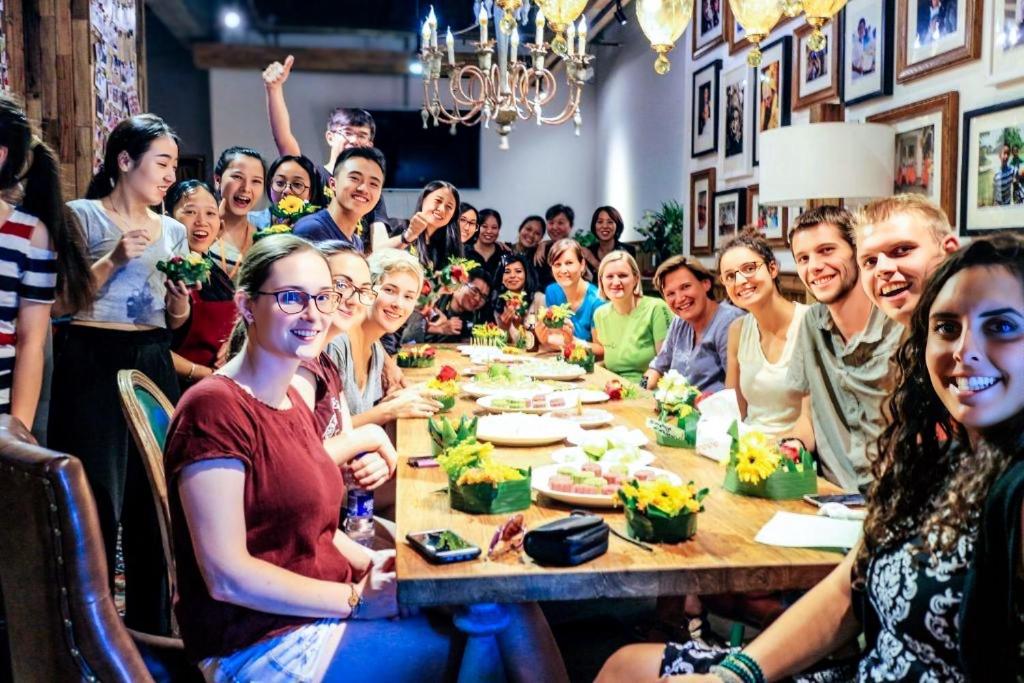
SONDERIA Lazybones Hostel
If I were traveling on a tighter budget or wanted to meet other travelers, I’d check SONDERIA Lazybones. Its social bar and Wenshu location make it a different kind of base from the big central hotels.
Jinli and Wuhou Shrine: Best if Atmosphere Wins Over Efficiency
If atmosphere matters more than pure convenience, I can see the appeal of the Jinli and Wuhou Shrine area. You get historic-style streets, lantern-lit evenings and immediate access to one of Chengdu’s most important Three Kingdoms sites.
The downside is that Jinli is strongly visitor-facing, and a short Chengdu itinerary usually pulls you repeatedly toward other parts of the city. I would therefore treat this as a deliberate atmosphere-first choice rather than a default central base.
Hotels I’d Consider Around Wuhou Shrine and Jinli
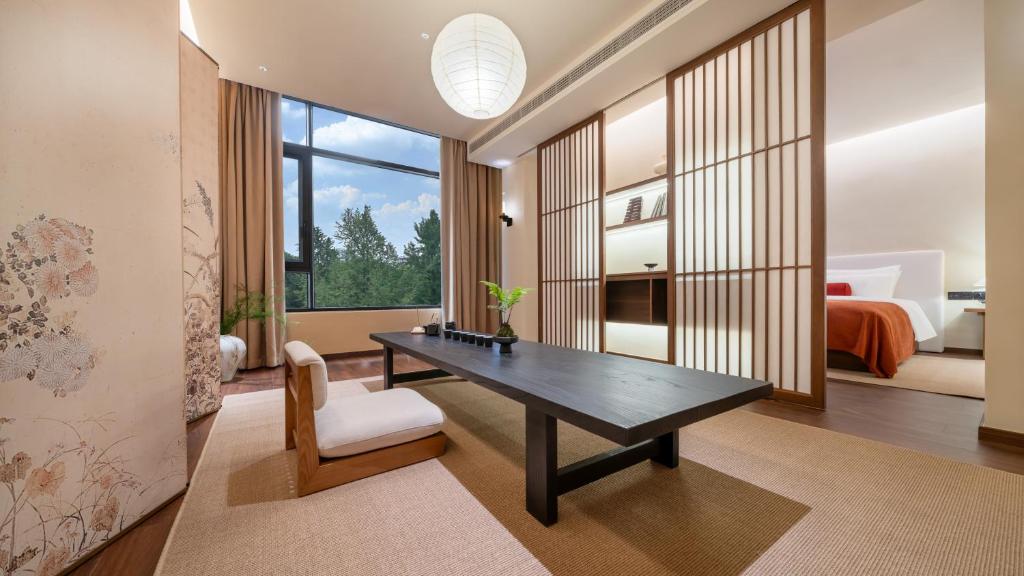
Terra Art Sky Garden Hotel
I’d consider Terra Art Sky Garden if I wanted to spend plenty of time around Jinli and Wuhou Shrine. The boutique rooms and location opposite the shrine are the reasons to book it.

Wuhou Temple Han Dynasty Hotel
If I specifically wanted a traditional-style hotel around Wuhou Shrine, I’d look at this one for its wood interiors, garden views and proximity to the historic sights.

Arthur’s Roof-Top
For a longer stay near Wuhou, I’d check Arthur’s Roof-Top. The kitchens, washing machines and outdoor space sound more useful for a family or extended visit than for one quick night.
Yulin and Jiuyanqiao: Better for Food or Nightlife Than for a Standard First Trip
Two Chengdu areas deserve more attention than they get in older accommodation guides, but I would add both with a qualification: they are specialist bases, not replacements for Chunxi Road on every first visit.
Yulin: Best for Food and a Repeat Visit
Yulin is a lived-in residential neighborhood south of the center, with small restaurants, hotpot, noodles, skewers, cafés and bars woven into ordinary streets rather than a purpose-built visitor zone.
For a food-focused traveler or a second Chengdu trip, that is a genuine advantage: your best hours may happen close to the hotel rather than around a landmark. Useful rail references include Fangcao Street on Line 8, Nijiaqiao on Lines 1 and 8 and, depending on the exact pocket, Yiguanmiao on Line 3.
I would not choose Yulin merely because “local” sounds better. On a two-day first visit, you will commute to more sights than you would from Chunxi or Tianfu Square.
Jiuyanqiao: Best if Nightlife Is Actually a Priority
Jiuyanqiao is the riverfront nightlife choice: bars, late evenings, the Anshun Bridge area and the Jinjiang River are the reason to sleep here.
This recommendation changed materially when Metro Line 13 opened in December 2025, giving Jiuyanqiao its own station. Older guides that describe the area only through nearby Line 2/6 stations are now out of date.
Still, I would only choose it if you plan to use the nightlife repeatedly. Rooms facing the busiest bar streets can be noisy, and Chunxi Road remains a more balanced base for daytime sightseeing.
Where I Would Not Stay on a Normal First Trip to Chengdu
These places are not “bad areas.” They are simply examples of optimizing one attraction or transport leg while making the rest of the trip less convenient.
Beside the Panda Base
I would stay centrally and make one early trip to the Panda Base. Sleeping beside it only makes sense if pandas dominate the trip or you plan to enter more than once.
Chengdu East Railway Station
Useful for a very early departure, late arrival or overnight connection. Otherwise, Line 2 makes it easy to reach the station from central Chengdu without sacrificing your evenings.
Tianfu International Airport
TFU is a transit base, not a city-break neighborhood. Stay there for flight logistics, not because a booking site describes the property as being “in Chengdu.”
Inside a famous tourist street just for the label
I would not pay extra solely for “Kuanzhai Alley” or “Jinli” in the address. The immediate map pin, station, room quality and nighttime environment matter more.

Where I Stayed in Chengdu and What I Would Choose Next Time
I stayed at the Echeng Hotel in central Jinjiang and paid approximately €45/US$50 per night. Coming straight from eight intensive days in Tibet, it was exactly the kind of base I needed: comfortable, practical and central enough that Chengdu felt easy from the moment I arrived.
Chunxi Road Station is not literally outside the hotel, but it is close enough to reach on foot without the location becoming inconvenient. Even with luggage, I would describe it as a manageable walk rather than a hotel with the metro directly at its entrance.
The location worked particularly well for exploring central Chengdu. I could walk toward Chunxi Road, Chengdu IFS, Taikoo Li and Tianfu Square, while using the metro or Didi for Wenshu Monastery, People’s Park, Jinli and the Panda Base. For a short visit, that balance between walking and straightforward transport was more valuable than staying in a more atmospheric but less practical neighborhood.
The main limitation is that the immediate area feels modern and commercial. You do not step outside into temple courtyards, traditional lanes or Chengdu’s quieter tea-house atmosphere. Those experiences require going elsewhere during the day.
Would I stay there again? Yes, especially at around €45/US$50 per night. For another two- or three-night visit, Echeng would remain a strong choice. On a longer and slower stay, I would be more tempted by Wenshu Monastery or Yulin.
For the best things to do after choosing your base, see my 2 days in Chengdu itinerary.

6 Chengdu Hotel Checks to Make Before Paying
Check the map pin, not the English hotel name
“Chunxi Road”, “Taikoo Li” and “Tianfu Square” are used loosely in listing names. Verify the actual entrance and walking route.
Check the correct metro station and line
Chengdu’s network changed substantially in 2025. Old blog posts and cached maps may miss Line 10 at Wuhou Shrine, Line 17 at People’s Park or Line 13 at Jiuyanqiao.
Know which airport you are using
Shuangliu (CTU) and Tianfu International (TFU) are different airports in very different parts of Chengdu. “Airport convenient” is meaningless without the code.
Know which railway station your ticket uses
Chengdu East is common for visitors, but do not assume every high-speed train leaves from the same station.
Save the Chinese hotel name and address
Keep them offline for Didi, taxis and check-in. English hotel names can vary between booking platforms and maps.
Read recent reviews for noise and entrance access
A central pedestrian-zone hotel can still be awkward with luggage, while a nightlife address can be much louder than its daytime map suggests.
Before you finalize a room, I’d also check how you will arrive. My China airport transfer guide helps me think through CTU versus TFU, my China train ticket guide covers rail departures, and my China travel apps guide shows what I set up before using Didi or navigating to a hotel in Chinese.
What I’d Know Before Checking Into a Chengdu Hotel as a Foreign Visitor
Bring your physical passport. Hotels use it to register foreign guests during check-in, so a photograph or scan on your phone is not a safe substitute.
Chinese authorities have instructed hotels and booking platforms not to reject international travelers solely because a property supposedly lacks “foreign-guest qualifications”. Smaller properties may still be less practised at passport registration, however, so it is sensible to message ahead if a hotel has few recent reviews from foreign guests.
If you book an apartment or stay with someone instead of using a hotel, confirm who will register your address. Since September 21, 2026, China has offered nationwide online registration for non-hotel stays through the NIA website, app, WeChat, and Alipay. The usual 24-hour registration rule still applies. See the National Immigration Administration’s latest notice.
For the underlying rules, see the official hotel guidance and the National Immigration Administration announcement.
I also sort out payment and mobile data before arrival. My China payment guide explains how I use Alipay and WeChat Pay, and my China eSIM comparison helps with getting connected before you have to find the hotel.
FAQ: Where to Stay in Chengdu
What is the best area to stay in Chengdu for first-time visitors?
Chunxi Road and Taikoo Li are the best all-round base for most first-time visitors. You get abundant food and hotels, lively evenings and Chunxi Road Station on Metro Lines 2 and 3. Choose Tianfu Square instead if you want a slightly calmer central base with particularly convenient Lines 1 and 2 connections.
Where did you stay in Chengdu, and would you recommend it?
I stayed at the Echeng Hotel Chengdu Chunxi Road Taikoo Li in central Jinjiang and paid approximately €45/US$50 per night. It was a manageable walk from Chunxi Road Station rather than a metro-door hotel, but the room standard, central location and access to both walking routes and public transport made it very good value. I would stay there again for a short Chengdu visit at a similar price.
Where should I stay in Chengdu for two or three days?
Use one central hotel rather than changing bases. Chunxi Road and Taikoo Li are the easiest default, while Tianfu Square is an equally practical alternative if you prefer less shopping-district intensity. My two-day Chengdu itinerary shows how the main sights fit together from a central base.
Should I stay near Chunxi Road or Tianfu Square?
Choose Chunxi Road for the widest choice of restaurants, shopping and easy evenings. Choose Tianfu Square for a more functional central base, Lines 1 and 2 and slightly less commercial intensity. Both provide direct Line 2 access toward Chengdu East Railway Station.
Is Wenshu Monastery a good area to stay in Chengdu?
Yes. Wenshu Monastery is a strong choice for travelers who want quieter mornings, courtyard accommodation, hostels and a more local-feeling atmosphere. Wenshu Monastery Station is on Line 1. The trade-off is a thinner evening scene and less immediate convenience than Chunxi Road during a very short visit.
Should I stay near Kuanzhai Alley?
I would consider the broader People’s Park, Tonghuimen and Kuanzhai area, but I would not automatically choose a hotel inside the main restored lanes. People’s Park gives you tea-house culture and Lines 2 and 17; Tonghuimen is on Line 2; Kuanzhai Alley Station is on Line 4. The streets around the attraction can give you much of the atmosphere without paying purely for the tourist-zone address.
Is Yulin a good area to stay in Chengdu for food?
Yes, especially for a repeat visit or a food-focused trip. Yulin is a residential neighborhood with restaurants, hotpot, noodles, skewers, cafés and bars rather than a cluster of major attractions. I would choose it when neighborhood life matters more than minimizing sightseeing journeys.
Where should I stay in Chengdu for nightlife?
Jiuyanqiao is the clearest nightlife-first base, with riverside bars and its own Line 13 station since December 2025. Yulin is a better alternative if you prefer neighborhood bars, food and a less purpose-built nightlife scene. If nightlife is only one evening of the trip, I would still stay around Chunxi Road and take a Didi or metro.
Where should I stay in Chengdu for the Panda Base?
Most visitors should stay centrally and make an early trip to the Panda Base rather than sleep beside it. Chunxi Road is useful because Metro Line 3 heads north, although the final approach depends on the entrance and route. Stay near the Panda Base only if it dominates your trip or you plan to visit more than once. My guide to the best Chengdu tours includes organized options.
Which Chengdu area is best for Chengdu East Railway Station?
Chunxi Road and Tianfu Square are both convenient because Metro Line 2 runs directly toward Chengdu East Railway Station. For most visitors, it is better to stay centrally and take the metro to the station. A hotel beside Chengdu East only makes sense for a very early departure, late arrival or one-night connection.
How much does a hotel in Chengdu cost in 2026?
On ordinary non-holiday dates, expect approximately ¥300–700 for a good mid-range hotel around Chunxi Road, ¥270–700 around Tianfu Square, ¥170–550 around Wenshu Monastery and ¥280–600 around Jinli and Wuhou Shrine. Central luxury hotels generally start around ¥900 per night. Golden Week, Chinese New Year and popular weekends can cost substantially more.
Can foreign tourists stay in any hotel in Chengdu?
Chinese authorities have instructed accommodation providers not to reject foreign travelers solely because a property supposedly lacks “foreign-guest qualifications”. Bring your physical passport because the hotel must register your stay at check-in. Established central hotels usually handle this routinely. For apartments or homestays, confirm who will complete the accommodation registration.
Where I’d stay—and how I’d plan the rest of Chengdu
For a short first visit, I’d stay around Chunxi Road again. Echeng worked well for me, and I’d happily go back at a similar rate. If I had more time and wanted slower mornings instead of maximum convenience, I’d look more closely at the Wenshu Monastery area.
Continue planning: use my 2 days in Chengdu itinerary for the city itself, compare the best day trips from Chengdu if you have extra time, and check my best Chengdu tours for pandas, food, opera and experiences worth reserving.
Last Updated on 21/10/2026 by Panos


