


Where to Stay in Xi’an: The Areas That Make the City Easy to Understand
I’ve stayed in different parts of Xi’an over several visits. Here’s where I’d book for a first trip, what I’d avoid, and the hotels I’d actually compare before making a reservation.
I’ve been back to Xi’an several times, and where I slept changed how the city felt. Near the Bell Tower, I could wander out for noodles and return after dark without thinking about transport. Farther from the old center, the rooms could be comfortable, but I spent more time on the metro or calling Didi. If you’re deciding where to stay in Xi’an, my advice is to choose the neighborhood first, then the hotel. A beautiful room won’t make up for the wrong location on a short visit.
The Bell Tower, the Muslim Quarter and the City Wall make the old center a surprisingly easy place to explore on foot. But the Giant Wild Goose Pagoda is farther south, Xi’an North Station is well north of the historic core, and the Terracotta Warriors are a separate excursion. I’ll show you which bases work for each kind of trip—and where I’d spend a little more for a better location.
Some links are affiliate links. If you book through them, I may earn a commission at no extra cost to you. I have stayed in different parts of Xi’an, but I have not personally slept in every hotel recommended here. I compare those hotels using location, amenities and booking information, and I distinguish that research from my own experience of the city.
For a first visit, I’d stay inside the City Wall
My first choice is the Bell Tower–Drum Tower area, ideally on a quieter side street. You can explore the historic center on foot, eat around the Muslim Quarter and use the metro for sights farther away.
I’d choose South Gate (Yongningmen) for a calmer central base, Xiaozhai for metro connections and extra space, and Qujiang for modern hotels and evenings around the Giant Wild Goose Pagoda. I’d only sleep near Xi’an North Station for an awkwardly timed train.
Old Xi’an at your doorstep? Bell Tower or a quiet Muslim Quarter lane.
Less noise, still central? South Gate.
Modern hotel and Tang-themed evenings? Qujiang.
One station-based overnight? Xi’an North.
Four of the Best Hotels in Xi’an
These are the four bookings I’d open first for different kinds of Xi’an trips. They’re not four hotels I’m claiming to have personally tested; they’re my strongest starting points based on their locations and what they offer.
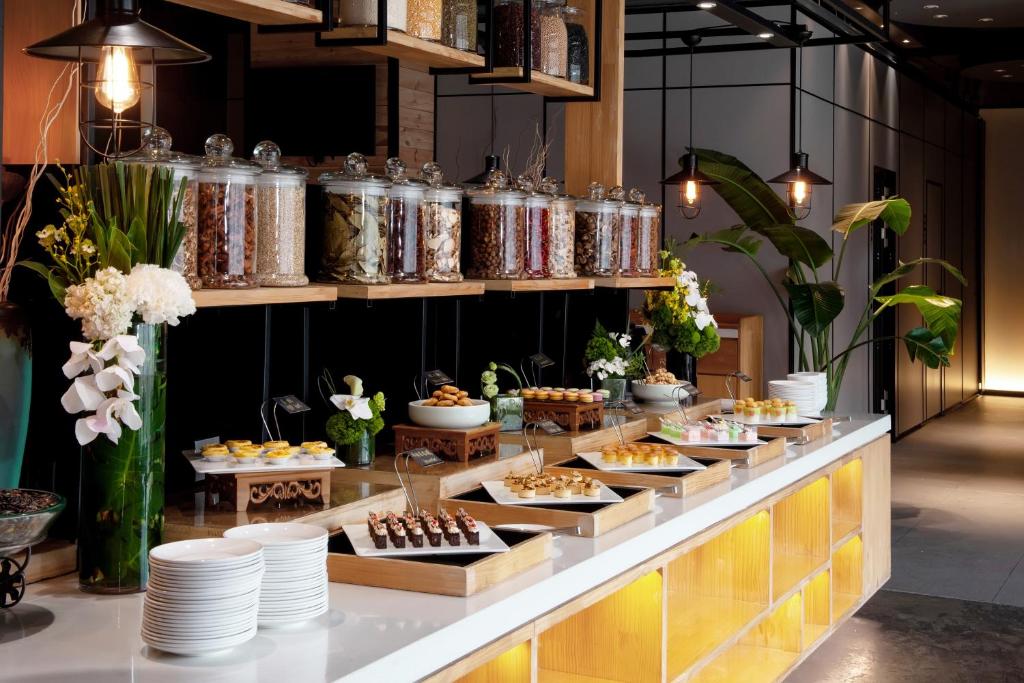
Eastern House Xi’an
If I were booking a short first visit, I’d start here. Eastern House has a useful position for evenings inside the walls, without making the hotel the whole reason for the trip.
Check latest pricesBell Tower / City Wall
SiWai teahouse near Xi’an Bell Tower
I’d look here if I wanted the Muslim Quarter close enough for spontaneous food stops, but with a smaller guesthouse feel instead of a conventional city hotel.
Check latest pricesMuslim Quarter
Hantang Inn Hostel Xi’an
A strong option when I’d rather spend on food and sightseeing than on a formal hotel. Check whether you’re reserving a private room or a shared one.
Check latest pricesOld city / Bell Tower
Canopy by Hilton Xi’an Qujiang
For a different kind of Xi’an stay, this would be my pick around the pagoda and Tang-themed evening streets, not the old Bell Tower core.
Check latest pricesQujiang / Grand Tang MallMy default would be Eastern House. If I wanted more character, I’d compare SiWai. If price mattered most, Hantang. If I were planning to spend my evenings in Qujiang instead, I’d look at Canopy. You’ll find the rest of my hotel picks under each neighborhood below.
Which Xi’an Area Makes Sense for Your Trip?
I wouldn’t choose a hotel based on its distance from the Terracotta Warriors. That’s a day trip whichever central neighborhood you pick. I’d choose a base around what happens before and after sightseeing: walking to dinner, finding a Didi pickup, and getting back after dark.
| Area | Best for | Why I’d choose it | What I’d watch |
|---|---|---|---|
| Bell Tower / Drum Tower | Best all-around first stay | Walk to the old center, metro, evening food | Busy roads; choose a quiet street |
| Muslim Quarter side lanes | Food and atmosphere | Great Mosque, bakeries, local lanes | Noise and narrow roads for luggage |
| South Gate / Yongningmen | Quieter, still central | City Wall access and good metro connections | Fewer immediate food-lane choices |
| Xiaozhai / museum area | Transport, value, longer stays | Metro Lines 2 and 3, everyday conveniences | Less old-city atmosphere |
| Qujiang / Big Wild Goose Pagoda | Modern hotels and Tang evenings | Pagoda district, cultural sights, broad streets | Metro / Didi to old Xi’an |
| Xi’an North Station | Early or late high-speed train | Rail logistics | Not a sightseeing base |
Bell Tower / Drum Tower
- Best for
- Best all-around first stay
- Why I’d stay
- Walk to the old center, metro, evening food
- Trade-off
- Busy roads; choose a quiet street
Muslim Quarter side lanes
- Best for
- Food and atmosphere
- Why I’d stay
- Great Mosque, bakeries, local lanes
- Trade-off
- Noise and narrow roads for luggage
South Gate / Yongningmen
- Best for
- Quieter, still central
- Why I’d stay
- City Wall access and good metro connections
- Trade-off
- Fewer immediate food-lane choices
Xiaozhai / museum area
- Best for
- Transport, value, longer stays
- Why I’d stay
- Metro Lines 2 and 3, everyday conveniences
- Trade-off
- Less old-city atmosphere
Qujiang / Big Wild Goose Pagoda
- Best for
- Modern hotels and Tang evenings
- Why I’d stay
- Pagoda district, cultural sights, broad streets
- Trade-off
- Metro / Didi to old Xi’an
Xi’an North Station
- Best for
- Early or late high-speed train
- Why I’d stay
- Rail logistics
- Trade-off
- Not a sightseeing base
If you only have two nights, the simplest choice is usually somewhere between the Bell Tower and South Gate. That lets the city itself become part of your evenings instead of something you travel back into after dinner.
Map: Xi’an Areas and the City Wall
I’d use this map alongside a hotel’s actual listing. Names such as “Bell Tower” or “Big Wild Goose Pagoda” can describe a wide area; what matters is the entrance you’ll use and how you reach the nearest metro or Didi pickup point.
1. Bell Tower, Drum Tower & Muslim Quarter: My First-Time Choice
If I were visiting Xi’an for the first time with just two or three nights, I’d aim for the old center. The Bell Tower and Drum Tower are close enough to the Muslim Quarter that I’d treat them as one general base—but I wouldn’t treat every street in that zone as equally good for sleeping.
Around the Bell Tower you get useful metro access, conventional hotels and easier drop-offs on bigger streets. Behind the Drum Tower, the Muslim Quarter’s side lanes are where I like slowing down: bakeries, small restaurants, the Great Mosque and the everyday life that doesn’t fit into a landmark checklist. I’ve wandered around here well after dark, and I’d happily do that again.

The catch is noise. The main food streets can be crowded well into the evening, and some of the narrower lanes aren’t convenient for a vehicle carrying luggage. I’d book a quiet side street, then check the actual building entrance and recent guest comments about late-night noise. I’d avoid rooms directly facing the traffic around the Bell Tower roundabout.
Bell Tower or Muslim Quarter? I’d choose Bell Tower if I wanted a standard hotel, quick metro access and easy pickups. I’d go into the Muslim Quarter lanes if I cared more about being among the restaurants and old neighborhood streets. The quieter the actual lane, the better.


I plan this part of the city in my Xi’an 2-day itinerary. If you’re booking a guided visit to the Terracotta Warriors, the options in my best tours in Xi’an guide can help with departure and pickup planning.
Hotels I’d compare around the Bell Tower and Muslim QuarterEastern House Xi’an
Eastern House is the property I’d compare first for an easy first stay. It puts you on the western side of the old center, with Bell Tower, Drum Tower and the City Wall within reasonable walking distance. The bigger draw for me is the combination of location and practical facilities after a long sightseeing day.
Before booking: Check the precise room category and whether breakfast is included in the rate you’re comparing.
SiWai teahouse near Xi’an Bell Tower
This is the kind of small-scale stay I’d choose for the older Muslim Quarter lanes. The atmosphere is the selling point, not full-service facilities. I’d still check the exact lane and whether a car can reach the entrance easily with luggage.
Before booking: The listing may have age policies; check current terms and arrival instructions.
Hantang Inn Hostel Xi’an
Hantang combines a central base with a more social, hostel-style setup. You can choose it for its value without necessarily needing a dorm bed, but I’d compare private-room and dormitory listings carefully.
Before booking: Look closely at the room type, bathroom arrangement and noise comments in recent reviews.
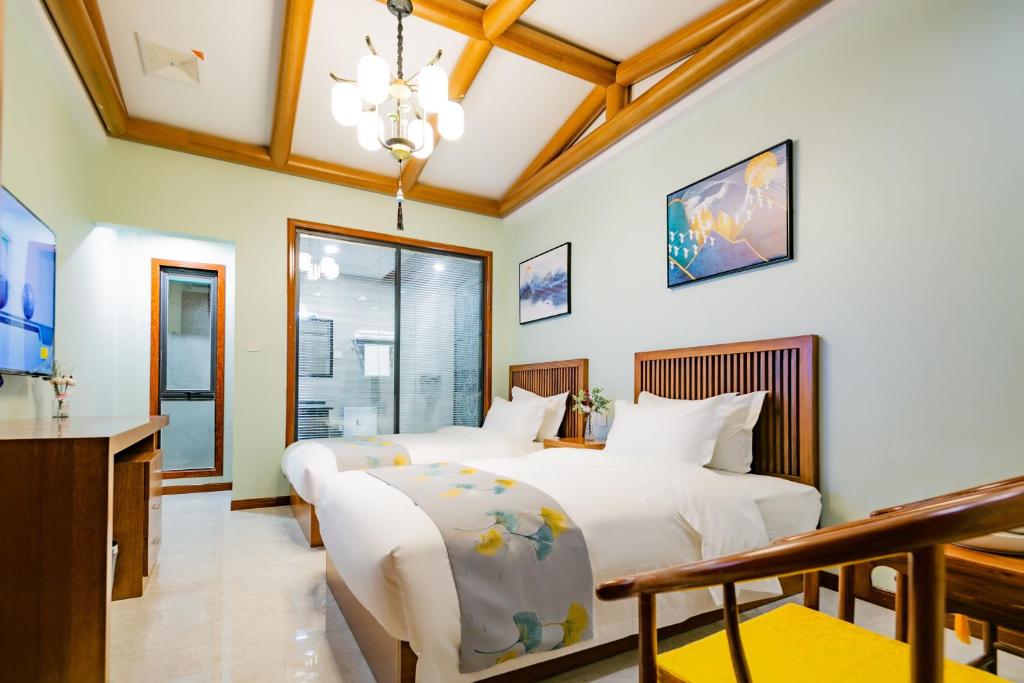
Fanjian Inn-Xi’an Drum Tower & Muslim Cultural District
This smaller inn is close to the Drum Tower and the food lanes. I’d consider it if I wanted to step out for evening snacks and return without a train ride, while still favoring a room away from the busiest street.
Before booking: Check the map pin, late-night noise reports and vehicle pickup point.
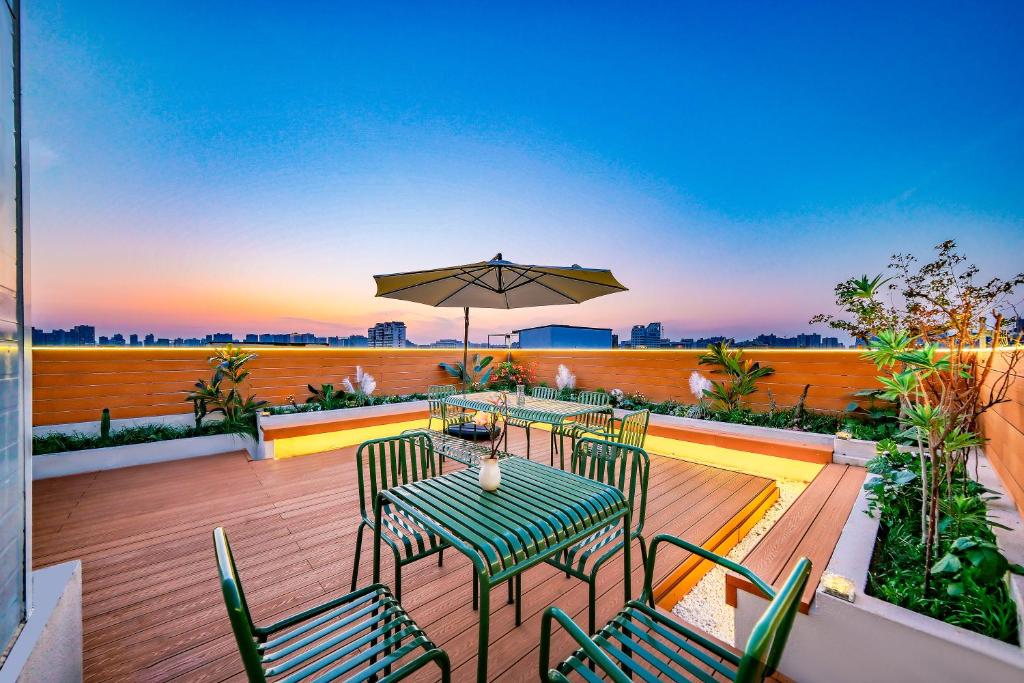
Sky Garden Osmanthus Hostel – Drum & Bell City Center
Sky Garden Osmanthus is my budget-minded pick for people who enjoy hostel common areas and a rooftop terrace. The Muslim Quarter location is a plus for wandering, but it is not the quietest style of stay by default.
Before booking: Check whether you’re booking a dormitory bed or a private room.
2. South Gate (Yongningmen): The Quieter Central Alternative
South Gate is where I’d look if I wanted the benefits of staying inside the City Wall without being right in the evening crowds. Yongningmen is one of the most useful access points to the wall, and the surrounding streets generally feel less packed than the Bell Tower area.
It’s a good compromise for a short stay: I can walk toward the old center when I want atmosphere, then return somewhere calmer. The nearby metro makes longer journeys manageable. I’d pay attention to which side of the wall the hotel sits on; “South Gate” in a hotel name doesn’t always mean the same walking route.
I’d choose South Gate for an early walk on the wall, quiet nights, or simply because I’d rather spend my late evening in a less hectic part of the old center. You can still work a day trip from Xi’an into your visit without changing hotels.
My South Gate hotel pick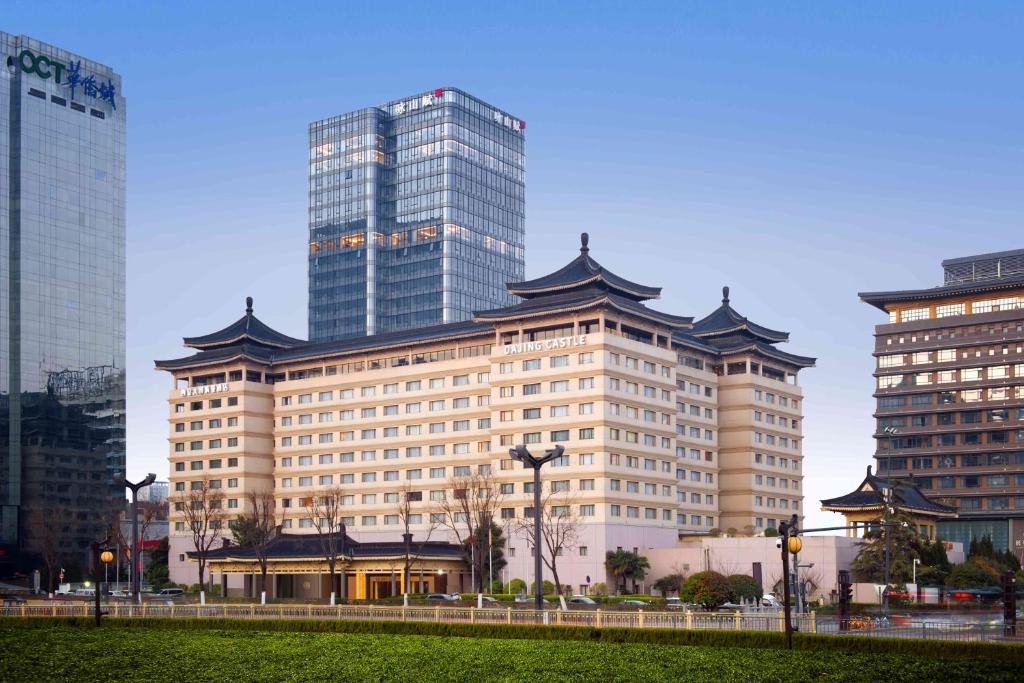
Xi’an Dajing Castle Hotel
Dajing Castle Hotel makes sense when the City Wall is part of why you chose Xi’an in the first place. Near South Gate, you’re well placed for a walk along the wall and still close enough to the older center without sleeping right in its busiest food streets.
Before booking: If a wall view matters, confirm that the room category actually includes one.
3. Xiaozhai & the Museum District: Value and Easy Metro Connections
Xiaozhai is Xi’an in a different mood. Instead of old-city lanes, you get shopping centers, wide roads, a busy interchange and the everyday services that are useful if you’re staying longer. It would not be my first choice for a quick historic-city visit, but I wouldn’t dismiss it either.
The real advantage is the transport network: Xiaozhai is where Metro Lines 2 and 3 meet, letting you head north toward the Bell Tower or east toward the Big Wild Goose Pagoda area. The Shaanxi History Museum is also in this part of town. If the museum, restaurants and modern conveniences matter more to you than walking to the Muslim Quarter after dinner, the trade-off can be sensible.
Who I’d send here: people on longer trips, anyone looking for apartment-style accommodation, and travelers who are comfortable using the metro several times a day. For a two-night first visit, I’d still lean toward Bell Tower or South Gate.

Somerset Xindicheng Xi’an
Somerset Xindicheng gives you a more apartment-like base south of the walls. I’d choose it for a longer stay, family trip or anyone who values extra space and everyday routines more than being minutes from the Bell Tower.
Before booking: Confirm the unit layout and cooking facilities included in your selected unit.

Crowne Plaza Xi’an by IHG
Crowne Plaza is the more conventional upscale option on the stadium side of the city. It works if a larger hotel, full-service facilities and room comfort matter more than wandering straight into the Muslim Quarter after breakfast.
Before booking: Double-check the walking time to your preferred metro entrance; not every southern hotel is as close as it looks.
4. Qujiang & Big Wild Goose Pagoda: For Modern Hotels and Evening Lights
Qujiang is the exception I’d make to my usual advice to sleep inside the walls. Around the Big Wild Goose Pagoda and Datang Everbright City (Grand Tang Mall), Xi’an feels newer and more open, with broad pedestrian areas, modern hotels and Tang-inspired evening displays.
I enjoy this part of Xi’an after dark, when the area around the pagoda fills up with people and lights. The scene is completely different from the Muslim Quarter: more staged and theatrical, less like an old residential neighborhood. That isn’t necessarily bad—it just depends on which Xi’an you want to step into each evening.

I’d favor Qujiang for a family stay, a longer hotel-focused visit, or if the pagoda district is where I expect to spend my evenings. I wouldn’t choose it to walk to the Bell Tower or Muslim Quarter; for those you’ll need to plan a metro or Didi ride. If you’re trying to fit this area into only two days, see the actual sequence in my Xi’an itinerary before committing to a hotel.
Hotels I’d compare near the pagoda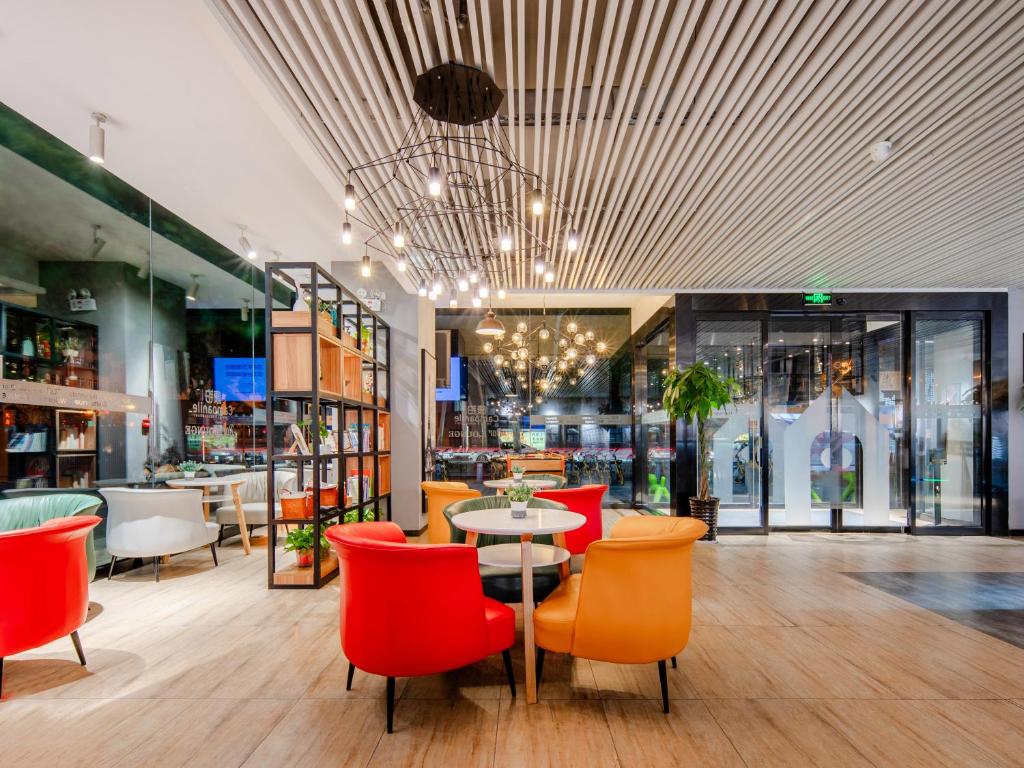
Campanile Hotel Xi’an Dayan Pagoda Datang
Campanile is the more accessible hotel I’d compare near the Big Wild Goose Pagoda and evening pedestrian district. It lets you prioritize Qujiang’s nightlife and cultural sights without defaulting to the priciest international properties.
Before booking: Check exact walking distances to the pagoda and the metro rather than relying on the hotel name.
Canopy by Hilton Xi’an Qujiang
Canopy is a different proposition from a traditional old-city guesthouse: modern interiors, a more polished hotel experience and an address geared toward Qujiang’s evening scene. I’d book it for comfort and the neighborhood, not for walking to the Muslim Quarter.
Before booking: Check room and breakfast inclusions; don’t assume you’ll have a pagoda view.
5. Xi’an North Railway Station: Only When the Train Timing Calls for It
I like China’s high-speed rail system, but I wouldn’t spend my whole Xi’an visit beside the station. Xi’an North is separate from the old-city railway station. If you’re arriving late or departing very early, staying nearby can make that one night easier. Otherwise, the city is more enjoyable when you sleep near its historic center.
Metro Line 2 connects Xi’an North with the Bell Tower area, so in most cases I’d rather take the metro and keep the same central hotel. It avoids one more check-in and checkout. If your onward train runs toward Beijing or Chengdu, check the exact station name on your booking rather than assuming it departs from Xi’an North.
My Beijing to Xi’an train guide covers how those arrivals work, while my China train ticket guide explains booking and passports.
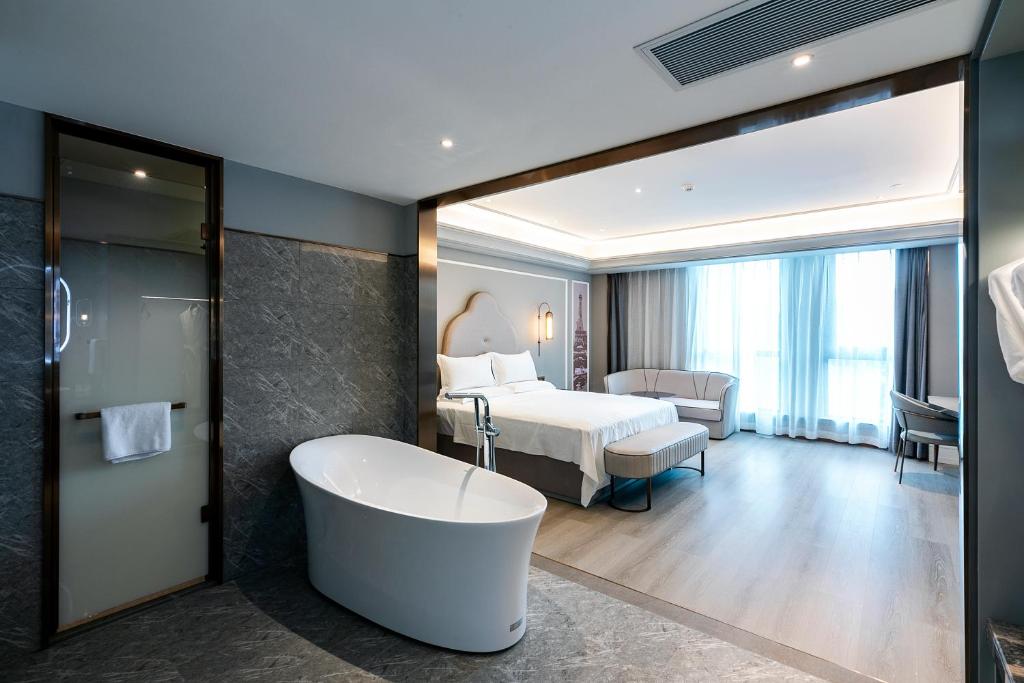
Mercure Xian North
Mercure Xian North is a logistics pick. If I had an unusually early departure from Xi’an North, I’d consider sleeping here for one night instead of crossing town before sunrise. I wouldn’t choose it as my base for sightseeing.
Before booking: Confirm the actual station entrance and current transfer options before paying.
Where I Wouldn’t Stay on a Short First Xi’an Trip
Gaoxin business district
There are plenty of comfortable hotels here, but for a first visit I don’t see the point in commuting back to the Bell Tower and Muslim Quarter each evening. I’d choose it only for work or a specific local reason.
Lintong for the whole stay
It puts you closer to the Terracotta Warriors, but farther from the city I want to explore. A spa stay or hot-spring break is a different trip; I wouldn’t make Lintong my default sightseeing base.
Airport hotels without a flight reason
I’d sleep by Xi’an Xianyang Airport for a very late arrival or early departure, not simply because a room is cheap. Otherwise, I’d rather wake up in the city.
Rooms directly over busy food streets
I love the Muslim Quarter at night. That doesn’t mean I want to hear it through my window until late. I’d compare recent noise reviews and look for a side-street room.

If you are landing at Xianyang, my China airport transfers guide covers the airport-to-city decision. For most normal arrival times, I’d go into Xi’an and check into the hotel where I actually want to spend the evening.
Before You Book a Hotel in Xi’an
Check the actual map pin
A hotel name mentioning the Bell Tower can still mean an inconvenient walk. I’d check the entrance location, not just the marketing name.
Look for a useful metro station
Bell Tower and South Gate access can save time. On longer trips, Xiaozhai’s interchange may matter more than sightseeing views.
Save the address in Chinese
I’d screenshot the hotel’s Chinese name and address before arrival so I can paste it into Didi or show it to a driver.
Read recent noise reviews
Around the Muslim Quarter and Bell Tower, I’d pay attention to late-night soundproofing and whether the window faces a busy road.
Check reception and arrival rules
Smaller inns may not handle late arrivals like a large chain. I’d message in advance if my arrival time were uncertain.
Confirm the actual railway station
Xi’an and Xi’an North are different stations. I’d read the ticket carefully before choosing a station hotel or morning transfer.
Watch major Chinese holidays
Central hotels can fill quickly and get expensive around Golden Week, Labor Day and Spring Festival. See my best time to visit China guide.
Compare like-for-like room rates
I’d check breakfast, cancellation rules, room size and the exact room category—not just the price shown on the first search result.
One thing I always do: before paying, I open the hotel pin and imagine the first 15 minutes after arriving with luggage. If I have to drag my suitcase through several crowded alleys or cross a huge road with no obvious entrance, I’d reconsider—no matter how good the room photographs look.

Can Foreign Visitors Stay in Hotels in Xi’an?
Yes. You may still come across older guides saying that only hotels with a special “foreigner license” can accept international visitors. Chinese authorities told booking platforms and accommodation businesses in 2024 not to use that kind of qualification restriction as a barrier to foreign guests. You can read the Chinese government’s policy summary.
Hotels still need to register foreign guests’ details with the local authorities, so bring the same passport used for your booking. For a guesthouse, apartment or other non-hotel stay, the registration process is different: in September 2026, China extended online non-hotel registration nationwide through official channels. The National Immigration Administration announcement explains the distinction. If you’re unsure how your accommodation handles check-in or registration, ask before arrival.
For peace of mind, I’d still favor properties with recent international guest reviews and clear arrival instructions. That’s about practical communication—not a separate legal category of “foreign-approved hotels.”
Once Your Xi’an Hotel Is Sorted
I’d get the itinerary and the arrival logistics sorted next, rather than booking activities at random. The right hotel will make the rest much easier.
Your first two days
Start with my Xi’an 2-day itinerary for the City Wall, the Muslim Quarter, Terracotta Warriors and the pagoda district.
Terracotta Warriors and other trips
Use my best day trips from Xi’an guide. If you’d rather have a guide and transport arranged, compare the best tours in Xi’an.
Your train into Xi’an
If you’re coming from the capital, see Beijing to Xi’an by train. For any route, check China train tickets and train classes.
Your phone on arrival
Set up the essentials with my China travel apps guide, China eSIM comparison and China payment guide.
The wider China journey
See my 4-week China itinerary or the practical China planning guide for connecting Xi’an with the rest of the trip.
Ready-made planning files
My China Trip Toolkit has editable route, train, hotel and cost planners if you want everything kept in one place.
I’d set up mobile data before landing
For a hotel check-in day, working data is genuinely useful: I can open Didi, find the hotel in Chinese, send a message to reception and pull up my train booking. My China eSIM guide explains what I’d check before choosing a plan, including network and app access.
See the setup advice and plan comparisons first.
Where to Stay in Xi’an: FAQs
What is the best area to stay in Xi’an for a first-time visitor?
I’d choose a hotel near the Bell Tower or Drum Tower, inside the City Wall, ideally on a quieter side street. It gives you the best balance of walking, food and metro access for a short visit.
Is the Bell Tower or Muslim Quarter better for a hotel?
They are close. I’d stay on the Bell Tower side for straightforward transport and a conventional hotel; I’d choose a side lane in the Muslim Quarter for atmosphere and food, after checking access and night noise.
Is South Gate a good place to stay in Xi’an?
Yes. South Gate (Yongningmen) is my favorite calmer alternative to the busiest historic-center streets. You’re still close to the wall and connected to the center, without necessarily sleeping next to the main crowds.
Should I stay inside or outside the City Wall?
For two or three nights, inside or immediately beside the wall is usually my first choice. I’d make an exception for Qujiang if I wanted a newer hotel and planned most evenings around the Big Wild Goose Pagoda.
Which Xi’an area is best for families?
I’d look at Qujiang for spacious pedestrian areas and modern hotels, or Somerset on the Xiaozhai side if apartment-style facilities and extra room matter more than being inside the walls.
Where should I stay for Xi’an North Railway Station?
Only stay near Xi’an North if you have a particularly early train, a late arrival or a one-night rail connection. Otherwise, Line 2 lets you stay in the old center and travel to the station.
Can foreigners book any hotel in Xi’an?
Foreign visitors can book hotels in Xi’an. The old idea that hotels need a special foreigner license to accept guests is outdated. Bring your passport for registration, and check the property’s arrival instructions, especially for small guesthouses.
How many nights do I need in Xi’an?
I’d allow two full days and usually two or three nights for a first visit. That gives you time for the Terracotta Warriors and the old center. Add a night for another excursion or a slower pace.
What Xi’an area is best for the Terracotta Warriors?
I wouldn’t move hotels just to be near the Terracotta Warriors. Stay near Bell Tower or South Gate for the whole visit and treat the archaeological site as a separate day trip.
Where I’d Stay in Xi’an Again
For another short visit, I’d book somewhere between the Bell Tower and the quieter streets near South Gate. I like having the City Wall and Muslim Quarter available whenever I feel like going out, rather than scheduling those places as separate excursions.
Qujiang is the alternative I’d choose for a modern hotel and a different evening atmosphere. What I wouldn’t do is trade a good location for a prettier room on the wrong side of town. In Xi’an, the neighborhood is a big part of the experience.
Continue planning: use my Xi’an 2-day itinerary to put your sightseeing in order, compare day trips from Xi’an and read how to get from Beijing to Xi’an by train if you’re arriving by rail.
Last Updated on 21/10/2026 by Panos


