

I spent 3 days in Lamu Island as part of a wider Indian Ocean journey through Réunion, the Comoros, Tanzania, and Kenya’s coast. This Lamu Island itinerary is based on that trip: I stayed in Lamu Town, explored the Old Town on foot, joined local guided tours, sailed by dhow to Manda Island and Takwa Ruins, walked to Shela, ate along the waterfront, and stayed at Amu House.
Lamu is Kenya’s atmospheric UNESCO World Heritage Site, where Swahili culture, coral-stone lanes, carved wooden doors, dhow sailing, Shela Beach, and centuries of Indian Ocean history come together beautifully.
Table of Contents
At a glance
Quick Lamu Island Planning Guide
- How long: 3 days covers Lamu Old Town, Shela Beach, dhow sailing, and Takwa Ruins. Add 1–2 days for a slower beach stay.
- Best base: Lamu Town for history and local life. Shela for beaches, sunset drinks, and quieter stays.
- How to arrive: fly to Manda Airport, then take the short boat transfer to Lamu Town or Shela.
- Good to know: bring cash, dress modestly in town, and arrange your boat transfer before arrival.
Simple 3-day route: Day 1 Lamu Old Town and waterfront, Day 2 dhow trip to Manda Island and Takwa Ruins, Day 3 Shela Village and Shela Beach.

3-day overview
Lamu Island Itinerary and Best Things to Do at a Glance
Use this quick overview before the detailed itinerary. It shows how to fit the best things to do in Lamu into 3 realistic days without separating the sightseeing list from the route.
Day 1: Lamu Old Town
MorningOld Town walking tour, carved Swahili doors, and Lamu Market.
AfternoonRiyadha Mosque exterior, Lamu Museum, and Lamu Fort.
EveningWaterfront walk and Swahili seafood dinner.
Day 2: Manda Island
MorningDhow trip across the channel to Manda Island.
AfternoonTakwa Ruins, beach time, or seafood lunch.
EveningSunset sail back toward Lamu Town.
Day 3: Shela
MorningWalk or take a boat to Shela Village.
AfternoonShela Beach, dunes, and a slower coastal afternoon.
EveningSunset drinks or dinner at Peponi Hotel.
Planning tip: This replaces a separate “best things to do in Lamu” list because the main sights are already grouped by day: Old Town on Day 1, dhow sailing and Takwa Ruins on Day 2, and Shela Beach on Day 3.
A Historic Place Along the Swahili Coast
Lamu Island, a UNESCO World Heritage Site off Kenya’s northern coast, has been a hub of trade, culture, and maritime life for centuries. Lamu Old Town is considered one of East Africa’s best-preserved Swahili settlements, with coral stone houses, mangrove timber, inner courtyards, verandas, and carved wooden doors that reflect the island’s long Indian Ocean connections.
For hundreds of years, Lamu was linked to trade routes connecting the African interior with Arabia, India, and beyond. Spices, ivory, textiles, religious scholarship, dhow building, and coastal cuisine all helped shape a Swahili culture that blends African, Arab, Persian, and Indian influences.
Beyond its historic streets, Lamu offers a living glimpse into Swahili life. A carefully planned three-day itinerary lets you explore Lamu Town, Shela Beach, and nearby Manda Island, while leaving enough space to slow down and feel the island’s distinct rhythm.

Transportation
How to Get to Lamu
The easiest way to reach Lamu Island is to fly to Manda Airport (LAU), then take the short boat ride across the channel to Lamu Town or Shela. I recommend Safarilink as a reliable airline, especially if you are flying from Nairobi.
| Departure city | Flight duration | Airlines |
|---|---|---|
| Nairobi | 1 hr 30 min | Safarilink, Jambojet, Skyward Express, Fly540 |
| Mombasa | 1 hr | Safarilink, Fly540 |
| Malindi | 45 min | Safarilink, Skyward Express |
Practical tip: arrange your boat transfer through your accommodation before arrival, especially if you are staying in Shela or arriving late in the day.

Day 1 – Lamu Old Town, carved doors, Swahili food, and the waterfront
Waking Up Like a Local
My Lamu travel guide begins in the Old Town, the cultural heart of the island. The day started with the soft call to prayer echoing through narrow streets, accompanied by the rhythmic clip-clop of donkey hooves. Lamu Old Town and the main visitor experience are effectively car-free. The absence of vehicles instantly makes you feel like you’ve stepped back in time, where life moves to its own unhurried rhythm.
After a traditional Swahili breakfast on the terrace of my guesthouse, I set out to explore the winding alleys of Lamu Town. Every turn reveals centuries-old coral stone buildings, intricately carved wooden doors, and bustling markets. Start early, before the heat builds and before the waterfront gets busier. This is also the best moment to photograph the carved doors, market lanes, donkeys, and coral-stone houses without rushing.


Taking a Lamu Walking Tour
I spent the morning wandering through the narrow, coral-stone alleys of Lamu Old Town, where centuries-old buildings seem to whisper the stories of generations past. The intricately carved wooden verandas, delicate mashrabiya windows, and colorful laundry flapping gently in the ocean breeze gave the streets a timeless charm. Every corner I turned revealed another piece of living history, from quiet courtyards to hidden mosques tucked behind ancient walls. It was easy to see why Lamu Old Town is a highlight on any Lamu Island travel guide.
A Lamu Old Town walking tour allows you to fully appreciate the island’s Swahili heritage, offering an authentic experience that combines architecture, culture, and daily life in one unforgettable stroll. This part of the island captures the essence of Lamu and provides a window into a centuries-old way of life that has endured remarkably well.
For a first visit, a local walking tour is worth booking early in your stay. Lamu’s lanes are easy to wander independently, but a guide gives context to the carved doors, mosques, trade history, and local customs that are easy to miss on your own. I learned quite a bit from our guide, which helped me understand the many layers of the history of this amazing place.


Tracing the Magnificent Carved Doors of Lamu
The carved doors of Lamu are among the town’s most striking symbols of Swahili culture, blending artistry with history. Made primarily from durable East African teak or mangrove wood, these doors were often imported from India or locally crafted, reflecting Lamu’s centuries-long role as a key trading hub along the Indian Ocean. Craftsmen use hand tools to create intricate geometric patterns, floral motifs, and Arabic inscriptions, often incorporating Quranic verses or protective symbols.
Historically, these doors were markers of wealth and social standing. The more elaborate the carving, the higher the family’s status within the community. They also served functional purposes, signaling hospitality while providing security—and were believed to ward off evil spirits. Influences from Arab, Persian, and Indian traders are evident in the motifs, reflecting the cultural exchanges that shaped Lamu over centuries.
Many of the doors date back to the 18th and 19th centuries, preserved as living relics in the UNESCO-listed Lamu Old Town. Walking past them is a glimpse into the craftsmanship, trade networks, and social hierarchies of the Swahili coast. It is a tangible reminder that these doors are not just architectural features, but a centuries-old story carved in wood.
If you are especially interested in Lamu’s architecture, the carved doors deserve more than a quick photo stop. A focused carved doors tour adds useful context on the woodwork, symbolism, Indian Ocean trade links, and the families who built these houses.


Visiting Lamu Market
As I strolled through the alleys, I couldn’t resist stopping by the local markets, where the aroma of fresh produce and fragrant spices filled the air. The Lamu market is a bustling hub of activity, where locals sell everything from freshly caught fish and tropical fruits to handcrafted goods and aromatic spices. Wandering among the colorful stalls, I admired vibrant fabrics, intricately carved wooden items, and handwoven baskets. The market was more than just a place to shop. It offered a glimpse into the daily rhythm of life on the island. Friendly vendors greeted me with warm smiles and invited me to sample local snacks like mahamri, sweet fried doughnuts flavored with coconut and cardamom. Experiencing the market is one of the top things to do in Lamu Town and a delicious introduction to authentic Swahili food in Lamu.


Enjoying the Little Moments
During my wanderings, I stumbled upon La Dulce Toro Café, a quiet café tucked away in Lamu Old Town. Its vibrant courtyard, adorned with colorful mosaics and potted plants, provided a peaceful spot to pause and enjoy a cup of rich, locally brewed coffee. The aroma of freshly ground beans mixed with the gentle sea breeze made it a sensory delight. Sitting there, I could watch locals and travelers alike meander through the narrow streets, giving me a true sense of daily life on the island. Visiting cafes in Lamu Old Town is one of the most relaxing things to do in Lamu Town, offering a chance to slow down, soak in the atmosphere, and savor the simple pleasures that make the island so memorable.

Visiting Riyadha Mosque
Next, I made my way to the Riyadha Mosque in Lamu, widely regarded as one of the oldest and most important Islamic sites in East Africa. Founded in the late 19th century by Habib Swaleh, a revered scholar and religious leader, the mosque quickly became a center for Islamic education and the annual Lamu Maulidi Festival, which continues to draw pilgrims and visitors from across the Swahili coast.
Although non-Muslims are not permitted inside, I stood outside to admire the mosque’s striking coral stone walls, traditional Swahili architecture, and the serene courtyard where students often gather for religious study. Even from the exterior, the sense of history was powerful. Standing before the Riyadha Mosque, I could feel how deeply faith, learning, and community life have shaped Lamu for centuries.
The site embodies Lamu’s cultural and spiritual significance, offering travelers a glimpse into the town’s role as a living center of Islamic scholarship. Visiting the Riyadha Mosque is one of the most meaningful things to do in Lamu Town for anyone seeking authentic cultural experiences on the Kenyan coast.

Enjoying Delicious Swahili Cuisine
By midday, I was ready to sample some of Lamu’s famous Swahili cuisine. I wandered into a humble local eatery, choosing from spots like Whispers Café, Bush Gardens, or a bustling street food stall. Lamu’s food reflects its rich Swahili heritage, combining spices, fresh seafood, and local produce in unforgettable ways.
Some dishes you should not miss during your visit include:
- Viazi Karai: Fried potatoes seasoned with chili, crispy on the outside and soft on the inside.
- Chapati with Bean Stew: A hearty, comforting meal perfect for lunch.
- Mishkaki: Grilled skewers of meat, marinated and cooked to perfection.
- Fresh Coconut Juice or Tamarind Drink: Refreshing beverages that are ideal for the warm Lamu climate.

Lamu Museum & Fort
I continued my route with a visit to the Lamu Museum, housed in a beautifully restored 19th-century Swahili residence. Inside, the exhibits trace the island’s rich heritage, with displays on Swahili culture, traditional dhow construction, local rituals, and Lamu’s pivotal role in Indian Ocean trade networks. One gallery highlights Maalim Ali, the renowned poet and religious leader whose legacy still shapes Lamu’s cultural and spiritual life today. The museum provides an essential introduction for those who want to understand the traditions and history that make Lamu Town a UNESCO World Heritage Site.
A short walk away stands Lamu Fort, built in the early 19th century under Omani rule to defend the island. The fort later served as a garrison and even a prison before being converted into a cultural center. Today, it houses museum exhibits, a small public library, and spaces for community events. Climbing the fort’s walls, I could imagine the island’s strategic importance during centuries of trade and conflict. The panoramic views over Lamu Town’s labyrinth of alleys, its colorful rooftops, and the turquoise waters of the Indian Ocean were unforgettable.
Before leaving, I sat on a bench in the main square, watching donkeys transport goods and neighbors exchange greetings. This was one of the more memorable moments of my visit.

Strolling Along the Waterfront by Night
After exploring the fort, I wandered along the waterfront promenade. The sights and sounds of the ocean and town blended into a lively yet peaceful rhythm. I watched dhows being loaded with goods, local boys diving into the warm sea, and cats lounging under the shade of palm trees. Strolling along the waterfront at dusk is one of the best things to do in Lamu Town, providing the perfect way to relax, soak in the island’s atmosphere, and enjoy the charm of this coastal gem.
For dinner, I had a tough time choosing where to eat, as there are so many great spots along the water. I ended up at Seafront Café, a perfect place for enjoying fresh seafood with a stunning view. I savored some fish in an amazing ginger-based sauce. The view, the food, and the ambiance were all perfect. It was a peaceful end to my first day on the island.


Day 2 – Sailing to Manda Island & Takwa Ruins
Takwa Ruins: A Lost Swahili Settlement
On my second day in Lamu, I set out for a memorable sailing adventure to Manda Island, just across the channel from Lamu Town. I boarded a traditional dhow, the iconic lateen-sail boat that has been part of Swahili culture for centuries. The wooden frame creaked softly as the sail caught the breeze, and gliding over the turquoise waters felt magical. There is something timeless about traveling this way, with the wind guiding you across the calm Indian Ocean.
As we approached Manda Island, we docked near the Takwa Ruins, an atmospheric archaeological site that was once a thriving Swahili town in the 16th century. Today, moss-covered coral walls and the silhouette of a well-preserved mosque stand quietly among ancient baobab trees. Walking through the ruins felt like stepping into a forgotten era, with only the whisper of the wind to remind me of the vibrant community that once lived here. The mystery of why the settlement was abandoned adds to its haunting beauty and makes it a must-visit for history enthusiasts.
I imagined bustling markets, traders arriving by dhow, and the lively rhythm of daily life before nature slowly reclaimed the town. Exploring Takwa is one of the top things to do near Lamu Town for anyone interested in Swahili history and culture. If you travel with a guide, you might even enjoy a freshly prepared seafood lunch aboard the dhow or on a quiet stretch of beach nearby. This experience perfectly combines the natural beauty of Manda Island with the authentic flavors of the ocean.
Tip: Ask your captain or guide about tide timing before you go, because access around Manda Island and the mangrove channels can depend on water levels. A Takwa Ruins trip works best as a half-day or full-day dhow excursion, often combined with sailing, swimming, and lunch.


Watching Sunset from the Dhow
After exploring the Takwa Ruins, we boarded the dhow again and set off on a leisurely sail back toward Lamu Town. The wind picked up, and the boat glided smoothly across the turquoise water, the gentle rocking creating a sense of calm. The afternoon was blissfully peaceful, with only the sound of the wind in the sails and the soft lapping of the waves.
Sailing along the channel, I took in the stunning views of Lamu Old Town. From the water, the town’s whitewashed buildings and intricately carved rooftops looked even more enchanting, bathed in the golden glow of the setting sun. Watching the sun dip below the horizon from the deck of a traditional dhow was a truly magical experience. The soft colors reflecting on the calm waters captured the island’s serene charm and made this one of the most unforgettable moments on my Lamu Island itinerary.


Day 3 – Shela Village
A Coastal Walk to Shela
For my final day in Lamu, I set out early for a scenic coastal walk to Shela Village, a peaceful enclave known for its elegant Swahili homes and relaxed, artsy atmosphere. The walk takes 30-45 minutes, depending on your pace. The path along the shoreline was tranquil, with waves gently lapping the sand and the salty ocean breeze accompanying me as I wandered through the narrow sandy lanes.
Shela felt like a quieter, refined version of Lamu Town—less crowded but still deeply connected to local culture. The village is a harmonious mix of historic charm and laid-back elegance. I explored sandy paths, popped into small craft shops, art galleries, and quaint Swahili-style guesthouses. Hidden courtyards, beautifully carved wooden doors, and the occasional donkey or cat crossing the street made every turn a small discovery. There is a creative, peaceful energy in Shela that makes it easy to lose track of time while exploring. Taking a morning walk through Shela is one of the most rewarding things to do in Lamu and a perfect highlight for a Lamu Island itinerary day 3.


Chilling on Shela Beach
After exploring Shela Village, I made my way down to Shela Beach, one of the most stunning stretches of coastline I have ever seen. The beach is wide and windswept, with soft golden sand backed by towering dunes and an endless view of the turquoise Indian Ocean. It feels wild and untouched, making it the perfect spot to unwind and soak in the natural beauty of Lamu Island.
I took a refreshing dip in the ocean, letting the gentle waves roll over me as I floated in the crystal-clear water. If you prefer a more relaxing pace, you can settle on the sand with a good book and let the warmth of the sun and sound of the waves let the afternoon slow down naturally. For panoramic views, hike up to the dunes where the sweeping coastline and ocean stretch as far as the eye can see. The wind can be strong, so it is wise to bring a light wrap or scarf if you plan to stay for a while. Spending time on Shela Beach is one of the most memorable things to do in Shela Village and a highlight of any Lamu Island itinerary.


Sunset & Dinner at Peponi Hotel
For my final experience in Lamu, I headed to the iconic Peponi Hotel, a beachfront retreat that perfectly captures the charm of the island. Peponi has been a beloved destination for travelers and locals alike for decades. I settled in with a refreshing tamarind cocktail or a local dawa and watched the sun dip toward the horizon, casting a warm golden glow over the town. Traditional dhows returned to the harbor, their sails illuminated by the evening light, creating a scene that felt almost dreamlike.
For dinner, I indulged in some of Lamu’s finest Swahili cuisine. Swahili chicken curry offered rich, aromatic flavors, while crab samosas were crispy outside and tender inside. Grilled snapper served with fragrant coconut rice was perfectly cooked, and I couldn’t resist sampling a few spiced Swahili desserts to end the meal. The combination of food, atmosphere, and stunning views made for an unforgettable evening. Dining at Peponi Hotel is one of the best things to do in Lamu Town and a perfect conclusion to a 3-day Lamu Island itinerary.

Getting Back to Lamu Old Town from Shela
After dinner at Peponi Hotel, we had the option of taking a boat back to Lamu Old Town from the nearby pier in Shela, but we decided to enjoy a peaceful walk instead. The path was quiet and calm, though a little dark in places, so I took my time and soaked in the serene nighttime atmosphere of the island. Walking through Lamu Old Town under a canopy of stars, with the gentle sounds of the ocean in the background, felt truly magical. This night walk from Shela to Lamu Town is one of the most memorable ways to end a Lamu Island itinerary, offering a reflective moment to appreciate the timeless charm, history, and tranquil rhythm of life on the island.
Attending Festivals in Lamu
Lamu’s festivals are some of the most vibrant cultural experiences in East Africa, blending spirituality, tradition, and community celebration. If your visit coincides with one of these events, you’ll see the island at its most lively.
Lamu Yoga Festival (March)
For five days, the island transforms into a global yoga hub. Classes are held on rooftops overlooking the Indian Ocean, in courtyards shaded by palm trees, and right on Shela’s 12‑km beach. International instructors lead sessions ranging from sunrise meditation to dynamic flows. Beyond yoga, there are dhow sailing trips, wellness workshops, and communal Swahili dinners. It’s a unique chance to combine relaxation with cultural immersion.
Maulid Festival (June)
One of the most important religious events on the island, Maulid marks the Prophet Muhammad’s birthday. Pilgrims travel from across the Swahili coast to attend. The celebrations include processions, Quranic recitations, and communal prayers centered around the historic Riyadha Mosque. While non‑Muslims cannot enter the mosque, the surrounding streets come alive with stalls, food, and cultural performances. It’s a deeply spiritual occasion that offers insight into the island’s Islamic traditions and community life.
Lamu Cultural Festival (November)
This annual event celebrates Swahili heritage with a mix of parades, traditional dances, and music performances. The highlight is the famous donkey races through Lamu Town’s narrow alleys — a quirky tradition that draws huge crowds. You’ll also see dhow sailing competitions, poetry readings, and exhibitions of Swahili crafts. The atmosphere is festive and inclusive, with locals and visitors mingling in the streets, sampling coastal dishes, and enjoying live taarab music.
Why Lamu Is Worth Visiting
For me, Lamu isn’t about rushing through a checklist of sights; it’s about immersing yourself in the island’s rich history, slowing down, and embracing a way of life that’s been shaped by centuries of tradition. In just 3 days, you’ll experience the magic of dhow sailing, explore ancient ruins, wander through timeless streets, and feel the warmth of Swahili hospitality.
Walking through Lamu Town today feels like stepping back in time. Its narrow stone streets, intricately carved wooden doors, and centuries-old mosques create a timeless atmosphere, untouched by cars or modern traffic. Traditional dhows still glide along the turquoise waters, echoing the island’s maritime heritage. Surprising for such a small island, Lamu was also a refuge during times of conflict, sheltering communities and resisting colonial encroachment while preserving its distinct traditions.
Lamu also works beautifully at the end of a wider East Africa trip. After the early starts, dusty roads, and big wildlife days of a Kenya and Tanzania safari, the island gives you a completely different pace: car-free streets, slow dhow rides, Swahili food, quiet beaches, and time to let the journey settle before flying home.
Lamu isn’t just a getaway, but truly a journey back in time, where every corner tells a story. I hope this itinerary has inspired you to visit!
Planning Lamu as part of a wider Kenya, Tanzania, or Indian Ocean trip can get complicated fast, especially when you start combining flights, safaris, islands, domestic transfers, and beach time. My custom travel planning service helps independent travelers build realistic, well-paced routes without agency prices.

Practical Tips
How to Get Around Lamu
Lamu is car-free, which gives it a unique, charming atmosphere. The primary ways to get around are on foot, by donkey, or by boat. Donkeys are the main means of transport for locals, and you’ll often see them carrying goods through the streets. Walking is the best way to explore the narrow alleys, vibrant markets, and historic architecture. For more remote or beachside spots, you can catch a boat ride or take a local boat tour to visit nearby islands and secluded beaches.

Best Time to Visit Lamu
Lamu has a warm tropical climate, so the best times to visit are:
- July–October: This is the dry season, with clear skies and pleasant breezes. The cooler, dry weather is perfect for beach days, sailing, and exploring.
- January–February: This period is typically warm and clear, ideal for those who enjoy a more relaxed pace on the beaches with plenty of sunshine.
Dress Code & Alcohol Rules
Lamu is a laid-back but culturally rich destination, so dressing appropriately is important. The general rule is to wear modest, light clothing, especially in towns and when visiting mosques. The hot weather calls for breathable fabrics like cotton or linen, but when walking through town or Shela, be sure to cover your shoulders and knees out of respect for the local culture. A scarf or wrap is useful for covering up when entering religious sites or strolling through the streets. Swimwear is best worn on the beach, and it’s courteous to cover up with a wrap when leaving the water.
Alcohol is available in hotels and restaurants, but rarely sold in shops.
Shopping in Lamu & Sustainable Products
Shopping in Lamu is not about big malls or tourist bazaars — it’s about discovering small, character‑filled shops and initiatives that reflect the island’s Swahili heritage and creative spirit. Each purchase supports local artisans and sustainable projects.
- Ali Lamu: This iconic shop turns old dhow sails into stylish, durable bags, cushions, and wall art. Each piece carries the marks of the ocean and the stories of the fishermen who once used the sails.
- Aman Boutique: Aman is known for elegant, hand‑tailored clothing and homeware. Their designs blend Swahili tradition with modern aesthetics, making them popular among expats and visitors looking for unique fashion pieces. It’s the place to find kaftans, jewelry, and interior accents that feel both chic and authentic.
- Natural Lamu: Part spa, part shop, Natural Lamu offers locally made wellness products ranging from mosquito‑repellent oils and sunburn balms to luxurious facial masks and massage treatments. Their philosophy is rooted in natural ingredients and sustainable living.
- African Corner Lamu: A cluster of small shops selling traditional crafts, jewelry, and African art. Expect colorful fabrics, hand‑woven baskets, and carved wooden items. It’s a great spot to pick up affordable souvenirs while supporting local artisans.

♻️ Sustainability Initiatives: Beyond boutiques, Lamu has grassroots projects tackling plastic pollution. Local entrepreneurs collect discarded flip‑flops and plastics from beaches, transforming them into art pieces or using new incineration systems to fuel community kitchens. Visiting these initiatives is a meaningful way to support eco‑projects and see how the island creatively addresses environmental challenges.
Money & ATMs in Lamu
The local currency is the Kenyan Shilling (KES). ATMs are available in Lamu Town, but it’s a good idea to bring cash with you, especially if you plan to visit remote areas. I used N26 and Wise debit cards to withdraw money with very low fees and it worked great.

Connectivity & Internet in Lamu
For Lamu, I’d still treat mobile data as practical trip infrastructure rather than an afterthought. You may need maps in the Old Town lanes, WhatsApp for boat transfers, flight updates from Manda Airport, and restaurant or hotel messages between Lamu Town and Shela.
Local SIM cards are easy to purchase at the airport or in Lamu Town. Safaricom and Airtel have good coverage, and you can get affordable data packages to stay connected while exploring the island. Or you can get a Kenya eSIM easily beforehand to arrive prepared.

For reliable data around Lamu’s beaches, Old Town alleys, and boat routes, my Africa eSIM guide shows which plans stay stable across the region.
Where to stay
Where to Stay in Lamu: Lamu Town or Shela?
Your base changes the feel of the trip. Lamu Town is better for culture and daily life, while Shela is better for beach time and a quieter coastal stay.
Stay in Lamu Town for history and local life
Stay in Lamu Town if you want the most atmospheric base for history, markets, local food, carved doors, the museum, and a stronger sense of daily life. This is where I stayed, and it worked very well for a culture-heavy 3-day itinerary.
Stay in Shela for beach time and a slower pace
Stay in Shela if you want easier beach access, quieter lanes, stylish guesthouses, sunset drinks, and a more relaxed coastal base. It is still easy to visit Lamu Old Town by boat or on foot, but the feeling is more beach-focused.
My take: For a first Lamu itinerary, Lamu Town gives you the stronger sense of place. Shela is excellent if your priority is beach time, sunset, and a quieter stay.
Best Hotels in Lamu
Lamu offers a variety of accommodation options to suit every budget:
Budget

Mid-range
I stayed at Amu House, which I highly recommend. The guesthouse has a beautiful, relaxed vibe, and the rooms are spacious and well-designed. It’s the perfect balance of comfort and local character.

Luxury
For those seeking luxury, Peponi Hotel in Shela is a legendary spot with stunning views of the ocean and a classic Shela dinner stop with seafood, cocktails, and sunset views.
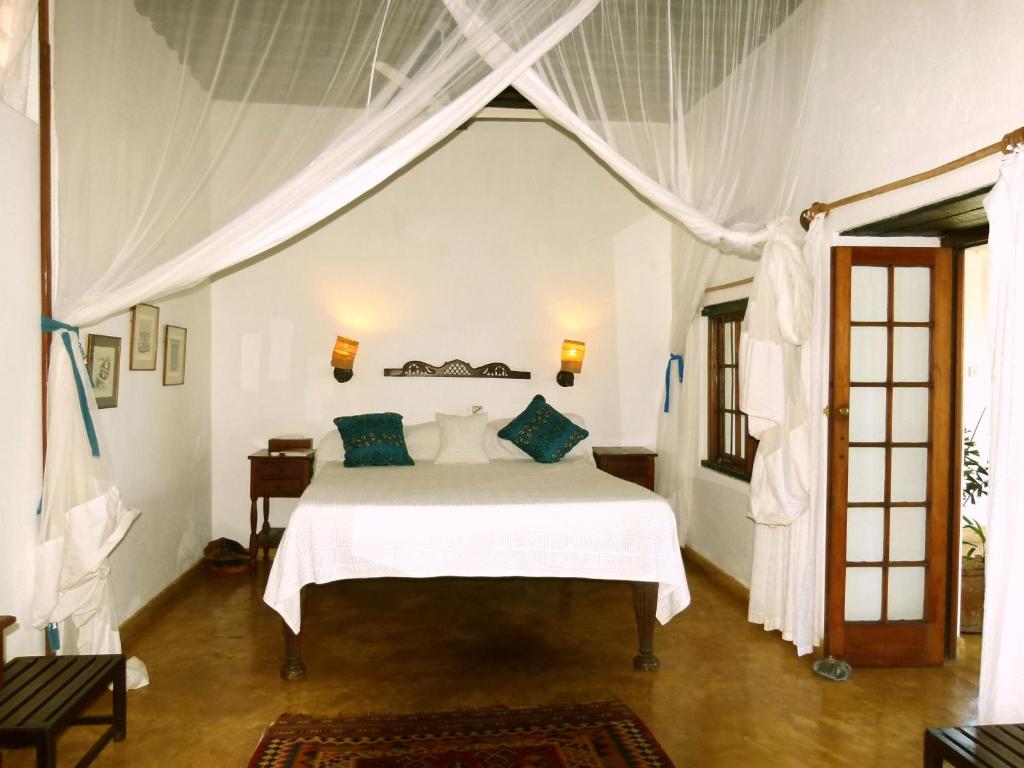
Alternatively, you can rent a private Swahili house in Shela for a truly unique and luxurious stay, offering privacy and the chance to live like a local in an authentic Swahili-style home.

FAQs
Frequently Asked Questions about Lamu
These are the main practical questions to answer before planning 3 days in Lamu Island, from flights and where to stay to money, safety, and the best things to do.
How do you get to Lamu?
Fly to Manda Airport (LAU) from Nairobi, Mombasa, or Malindi, then take the short boat transfer to Lamu Town or Shela. Arrange the boat through your accommodation before arrival, especially if you land late or stay in Shela. You can compare flights to Lamu here.
Is Lamu worth visiting?
Yes. Lamu is worth visiting if you want Swahili history, car-free Old Town lanes, dhow sailing, quiet beaches, carved wooden doors, and a coastal stop that feels very different from Kenya’s safari circuit. It worked especially well for me as a culture-heavy 3-day island stay.
How long should you stay in Lamu?
Stay 3 days in Lamu if you want to see Lamu Old Town, Shela Beach, Manda Island, Takwa Ruins, and enjoy dhow sailing without rushing too much. Stay 4 to 5 days if you want more beach time, a slower pace, or extra time around Shela.
Where should you stay in Lamu?
Stay in Lamu Town for history, markets, local food, carved doors, the museum, and budget or mid-range guesthouses. Stay in Shela for beach access, quieter lanes, sunset drinks, and more stylish accommodation. You can compare Lamu stays here.
Is Lamu safe to visit?
Lamu Town and Shela felt calm and welcoming during my visit, but I recommend flying in rather than traveling overland, arranging your airport boat transfer in advance, and checking current travel advice before you go. Lamu Island is usually treated differently from wider Lamu County in several travel advisories, but visitors should still stay alert.
Can you drink alcohol in Lamu?
Yes, but alcohol is mostly available in hotels, beach bars, and restaurants such as Peponi Hotel or The Majlis. Lamu is culturally conservative and predominantly Muslim, so shops generally do not sell alcohol and it is better to be discreet away from licensed venues.
Can you walk from Lamu Town to Shela?
Yes. The coastal walk from Lamu Town to Shela usually takes around 30 to 45 minutes, depending on your pace, the heat, and where you start. You can also take a short boat between Lamu Town and Shela, which is useful after dark or if you are carrying beach gear.
What are the best things to do in Lamu?
The best things to do in Lamu are exploring Lamu Old Town, joining a walking tour, seeing the carved Swahili doors, visiting Lamu Museum and Lamu Fort, sailing by dhow, visiting Takwa Ruins on Manda Island, walking through Shela, and spending time on Shela Beach. You can check local Lamu activities here.
Do you need cash in Lamu?
Yes. Bring some Kenyan shillings, especially for small restaurants, boats, guides, markets, snacks, and tips. Cards may work at some hotels or higher-end restaurants, but cash is still useful once you move around Lamu Town, Shela, and the waterfront.
Do you need mobile data in Lamu?
Yes, mobile data is useful for maps, WhatsApp messages with boat transfers, flight updates, restaurant opening times, and moving between Lamu Town and Shela. I recommend setting it up before arrival if you use an eSIM. You can get a Kenya eSIM here.
What festivals happen in Lamu?
The main Lamu festivals are the Lamu Yoga Festival, the Lamu Cultural Festival, and Maulid. Dates can shift from year to year, especially for religious events, so check the current schedule before booking flights or accommodation around a festival.

Last Updated on 23/06/2026 by Panos

This looks so cool! I really want to visit!!
I cannot recommend Lamu enough for its authentic character and vibes. It is also not that hard to get to. You will love it!