

During my trip to the Indian Ocean covering Lamu island in Kenya, the Comoros and more, I discovered a destination that completely exceeded my expectations: Cilaos in the French island of Réunion. This small mountain town, tucked into the island’s rugged interior, is a haven for travelers who love scenic landscapes, authentic Creole culture, and outdoor adventures. From my experience, here you will find some of the best hiking trails on Réunion island, including routes suitable for all levels of hikers. Beyond the trails, I found a warm local culture, charming streets, and Creole cuisine that felt both traditional and unique. What really struck me was how few international tourists were around, making this place an off-the-beaten-path escape. In this guide, I will share practical tips on Cilaos hiking trails, cultural experiences, and the culinary highlights that make this mountain town a must-visit on Réunion.
Table of Contents
Getting to Cilaos: A Road Trip to Remember
Reaching Cilaos from Réunion’s capital, Saint-Denis, takes around 2.5 to 3 hours by car, and the journey itself is an adventure. The RN5 road winds dramatically through the mountains, with over 400 hairpin bends, sheer rock faces, and deep ravines. It is not for nervous drivers, yet every turn reveals breathtaking vistas of Cilaos’ lush valleys and rugged cliffs.
As we drove, we couldn’t help but imagine how this winding road once served as the lifeline for early settlers in the mid-19th century. Back then, Cilaos was a remote mountain refuge, offering relief from the island’s humid coastal climate and eventually becoming a health retreat for people with respiratory conditions. We found ourselves stopping frequently to take in the views: mist-covered cliffs, isolated villages perched on steep slopes, and forests stretching as far as the eye could see. It felt like stepping into a different world, full of Creole history and culture.


Cilaos: A Mountain Refuge Steeped in History
Nestled in the heart of Reunion Island, Cilaos has long been a place of refuge. In the 18th and 19th centuries, runaway slaves, or marrons, fled the island’s lowlands and found safety in the surrounding mountains. The town’s natural isolation—accessible only by steep footpaths until the 1960s—allowed them to create a hidden community, preserving their Creole traditions and forging a resilient culture that still thrives today.
Arriving in Cilaos, it’s easy to sense this history. The town feels calm and welcoming, with colorful Creole houses, flower-filled gardens, and a cool mountain breeze that carries whispers of the past. Walking through the quiet streets, we discovered local craft shops and the small Saturday market, where artisans proudly display handmade quilts, or broderies.
Staying in a family-run gîte, we were treated to homemade lentil soup and rougail, feeling fully immersed in the rhythms of mountain life. Exploring Cilaos on foot, it’s easy to imagine the generations of residents who once relied on these same streets, gardens, and paths to sustain a hidden community.

What to See in Cilaos: Small Pleasures, Big Views
Cilaos may be small, but it is packed with character and hidden gems. Here are the highlights we experienced and a few additional sights worth adding to your itinerary:
Local Market
We loved visiting the weekend market, where we sampled fresh samoussas, bought local spices, and chatted with farmers. One vendor told us her family has been selling here for decades, offering produce grown on the fertile slopes surrounding the town. It was an ideal way to experience authentic Creole culture firsthand and see how local life thrives in this mountain setting.
We spent time exploring the small artisan boutiques where locals display hand-painted scenes, embroidered fabrics, and carefully crafted souvenirs. We picked up pottery and small handmade items that reflected the island’s Creole influence. Visiting these shops was not just about shopping—it offered a window into the skills and traditions that have been preserved in Cilaos for generations.
I like this video, which captures the atmosphere very well.

Notre-Dame des Neiges Church
Notre-Dame des Neiges Church is one of the most iconic historical churches in Cilaos Réunion, located right in the town center. Its crisp white facade stands out against the dramatic mountain backdrop, making it a must-see cultural site in the town. Built in the 1930s to replace an older 19th-century chapel, the church served as a central gathering place for settlers who often hiked steep paths for hours just to attend mass. Visiting it gives a glimpse into the life and traditions of this remote mountain town.
Inside, the warm wooden pews, simple stained glass, and subtle Creole touches reflect the unique heritage of the area. A quirky detail we noticed was a small statue of Saint Expedit, the patron saint of urgent causes, tucked near the altar, a reminder of how villagers relied on him for everything from timely rains to good harvests. Walking around this church, one of the most notable landmarks in Cilaos, allowed us to connect with the town’s history, faith, and Creole culture.

Maison de la Broderie
Maison de la Broderie is a must-visit cultural stop in Cilaos, especially for those interested in traditional crafts and local Creole heritage. This small workshop and gallery showcases the town’s famous broderie, or embroidery, a skill that has been passed down through generations for over a century. From delicate table linens to decorative quilts, each piece tells a story of Cilaos’ unique artisan traditions.
When we visited, we had the chance to watch local artisans at work, stitching intricate patterns by hand. It was fascinating to see the precision and care involved, and the artisans were happy to explain their techniques and the history behind each design. We even purchased a small embroidered piece to take home as a meaningful souvenir, knowing it was made entirely by hand in Cilaos. Maison de la Broderie is easily accessible from the town center and makes for a perfect short stop between hikes or after exploring the local market.

Visiting Cilaos Wineries
The fertile slopes surrounding Cilaos are home to several small, family-run vineyards producing high-altitude Réunion wines. For travelers seeking unique cultural and culinary experiences in Cilaos, visiting these wineries offers a chance to explore the agricultural side of the mountain town while tasting wines you won’t find anywhere else on the island.
One of the best wineries to visit is Le Chai de Cilaos, established in 1992 and now considered Réunion’s most emblematic wine cellar. Situated between 600 and 1,300 meters (1,969 to 4,265 ft) above sea level, the vineyard spans about 20 hectares and produces roughly 30,000 bottles annually. The volcanic soil and mild mountain climate contribute to the distinctive flavors of their wines, including high-altitude Pinot Noir, Malbec, Chenin Blanc, and sparkling varieties. They go very well with with local Creole cuisine.
When we visited, the experience went beyond tasting. The winemakers shared insights into grape cultivation on steep slopes, the challenges of high-altitude viticulture, and the history of winemaking in this remote part of Réunion. Guided tours allow visitors to see the process from harvesting to bottling, followed by tastings of the winery’s finest vintages.
Most vineyards are easily accessible by car, and booking a tasting in advance is recommended, especially in the afternoon when the mountain views are at their best. The warm welcome from passionate staff makes a stop at Le Chai de Cilaos a memorable highlight for anyone exploring Cilaos, combining scenic beauty, local tradition, and unique Réunion wines.

Cilaos Thermal Baths
After a long hike in the mountains surrounding the wotn, we found the Thermes de CIlaos to be the perfect way to unwind and soothe tired muscles. The warm, naturally heated springs are conveniently located near the town center, making them easily accessible even for a short visit. Local legend says early settlers and health-seekers used these waters for their therapeutic properties, particularly for respiratory and joint ailments. Being there, soaking in the mineral-rich waters, we felt a unique connection to Cilaos’ history and the traditions that have shaped this mountain town.
The baths are open daily, typically from 8:00 am to 6:00 pm, though hours may vary slightly depending on the season. Entrance fees are modest, and there are separate pools for adults and families, along with changing facilities. We found it helpful to bring a towel, a swimsuit, and a pair of sandals, as the stone floors can be slippery.
For the best experience, I recommend visiting in the late afternoon, after most day-trippers have left. The water is pleasantly warm, the mountain backdrop is breathtaking, and the atmosphere feels peaceful and authentic. If you want a longer stay, some gîtes in Cilaos offer access to private baths or can recommend quieter times to enjoy the public pools.

Best Cilaos Réunion Hiking Trails
Of course, what brought us to Cilaos was the hiking, and it did not disappoint. The town is surrounded by dramatic mountains and cirques, offering trails for all levels, from easy walks to full-day treks. Here are some of our favorite hikes:
La Roche Merveilleuse (Easy)
This easy 30-minute walk from the town center is perfect for those looking for a short but rewarding trail. The viewpoint, whose name means “The Marvelous Rock,” offers panoramic vistas over the Cilaos Cirque, making it one of the best scenic trails in Cilaos Réunion. We went around sunset, and the golden light illuminating the peaks was unforgettable.
Standing there, we reflected on the history of the surrounding mountains, which were once a refuge for runaway slaves seeking safety in Cilaos centuries ago. The combination of stunning landscapes and historical significance makes La Roche Merveilleuse not just a beautiful hike, but also a meaningful experience for anyone exploring the Cirque de Cilaos.
Tips for Visiting
- Wear comfortable walking shoes; the path is easy but can be rocky.
- Go either early in the morning to avoid fog rolling in, or in the late afternoon for sunset views and softer lighting for photos if the weather is clear.
- Bring water and a light snack if you plan to linger at the viewpoint.

Bras Rouge & Gorge Trail (Moderate)
For a moderate half-day hike, we loved the Bras Rouge and Gorge Trail. This scenic route takes you past cascading waterfalls – reminiscent of Tenorio National park in Costa Rica and Nordeste in Sao Miguel island, Azores – traversing fern-filled forests, and along dramatic gorges, making it one of the best moderate Cilaos Réunion hikes. The trail is well-marked but requires good walking shoes, as some sections can be slippery or uneven.
As we made our way along the path, the landscapes were constantly changing; lush greenery, rushing streams, and panoramic views of the surrounding cirque. We brought a camera to capture the incredible scenery and stopped frequently to admire the waterfalls and vantage points. Along the trail, we met another hiker who shared insights about the local flora and fauna, including the endemic plants that thrive in these protected mountain ecosystems.
Bras Rouge & Gorge is not only a great introduction to Cilaos’ natural beauty but also an immersive way to connect with the island’s unique biodiversity. For travelers looking for a rewarding half-day hike that combines adventure, photography opportunities, and a touch of history and ecology, this trail is a must-do in the Cirque de Cilaos.
Tips for Hiking Bras Rouge & Gorge
- Go early to avoid afternoon clouds and catch the best light for photography.
- Wear sturdy shoes with grip and bring water.
- Allocate around 3–4 hours to fully enjoy the trail.

More Serious Treks
For those seeking more of a challenge, Cilaos serves as a base for multi-day hikes to Piton des Neiges, the highest peak in the Indian Ocean. While I didn’t do it on this trip, I met a few hikers who swore by the sunrise from the summit after a night in the mountain hut. They described the experience as life-changing, a true immersion in Réunion’s rugged wilderness. If you’re looking for an unforgettable adventure, this trek is definitely a must-do for experienced hikers.


Why Cilaos Is Worth Visiting
Cilaos isn’t flashy. It doesn’t have luxury resorts or Instagram crowds. But what it does have is authenticity, natural beauty, and a deep sense of peace that you won’t find in many places. Whether you’re here for the hiking trails, the rich Creole culture, or simply to unwind, Cilaos offers an experience that stays with you long after you leave.
I left with sore legs from the incredible hikes, a full belly from the delicious local dishes, and a happy heart. If you’re heading to Réunion Island, do yourself a favor: brave the bends of the RN5 and immerse yourself in this spectacular mountain village before the world catches on. The town’s scenic beauty, cultural richness, and layered history make Cilaos feel like a place where the past and present exist side by side.

Practical Tips
Best time to visit Cilaos
Cilaos sits at an altitude of about 1,200 meters (3,937 ft), so expect cooler temperatures, especially in the evenings. It’s the perfect altitude for enjoying both the breathtaking mountain views and the lush, tropical climate of the region. The ideal time to visit Cilaos is from May to November, which is the dry season. This period offers the best conditions for hiking and exploring the mountain trails and Cilaos Cirque without the threat of heavy rain.
How to get to Cilaos
By car
To reach Cilaos, I highly recommend renting a car. The winding RN5 road that leads to the town is best navigated at your own pace, giving you the flexibility to stop and take in the stunning natural beauty of Cilaos. Car rental will also make it easier to explore nearby hikes and attractions.
👉 I found great deals on Discover Cars.

By bus
To reach Cilaos by bus, you’ll travel via Saint-Louis on the south coast of Réunion. The main service is the Car Jaune line O2 from Saint-Denis to Saint-Louis, then a connection with the Alternéo line 60 up the mountain to Cilaos. The journey takes about 3 hours 45 minutes with transfers, and costs roughly €5–9 one way. Google Maps works well for planning routes.
Language
French and Creole are the main languages spoken in Cilaos. While English is not widely spoken, knowing some basic French will definitely help you connect with locals and enhance your experience of Creole culture.
Best Accommodation in Cilaos
Whether you’re on a tight budget or looking to indulge in a more luxurious experience, Cilaos offers a range of accommodations to suit every traveler’s needs. I recommend booking in advance, especially during weekends and holidays, as the best places tend to fill up quickly.
Budget
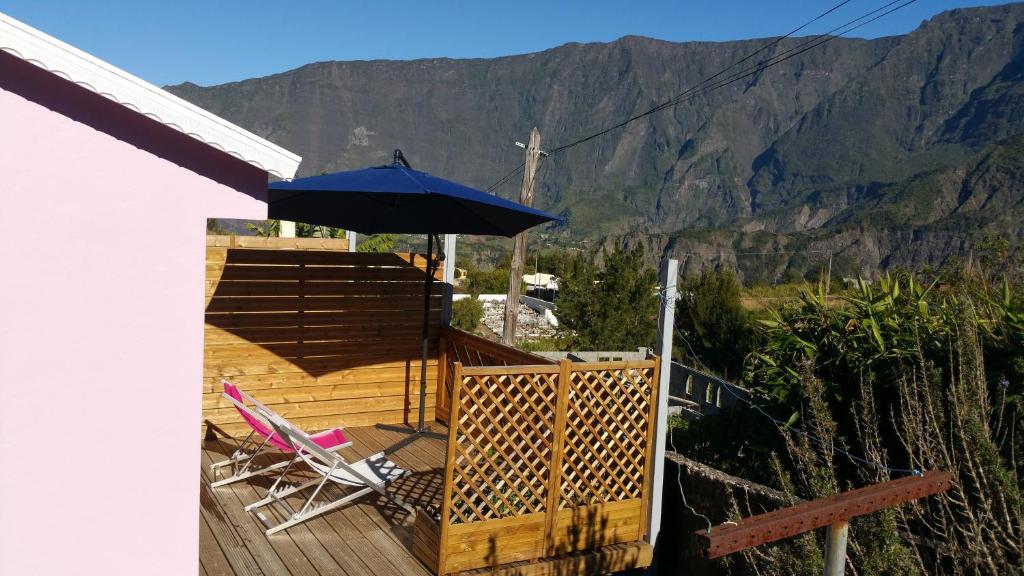
Mid-range
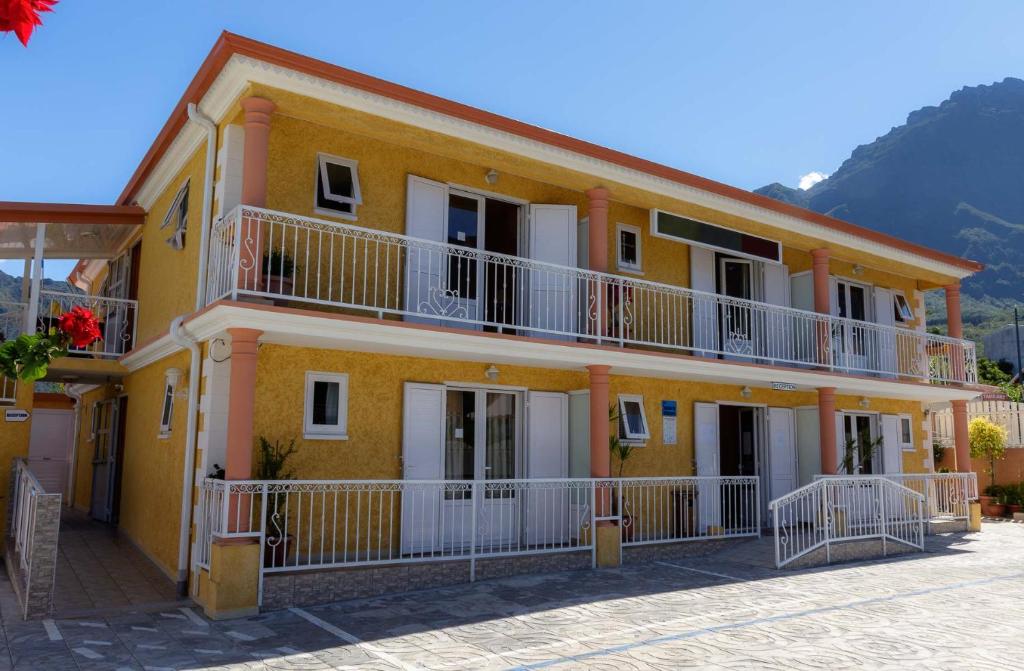
More upscale and authentic

What to Eat in Cilaos
The food in Cilaos is hearty, flavorful, and deeply Creole. Here’s what you have to try:
- Rougail saucisse: A spicy sausage stew in a tomato-based sauce, served with rice and lentils. Comfort food at its best, and a perfect dish to fuel up after a day of hiking in the Cilaos Cirque.

- Cari poulet: A classic chicken curry, subtly spiced and rich in flavor. You can taste the island’s unique blend of influences in every bite—another great example of Creole cuisine that showcases the island’s diverse culinary traditions.

- Cilaos Lentils: Grown in the mountain soil, these lentils are earthy and delicious. Locals told me these lentils are especially prized because the fertile volcanic soil of Cilaos gives them a distinct, rich flavor. You’ll find them in many dishes, and they’re a great addition to your meals during a stay in the mountains.
- Samoussas: Crispy pastries filled with veggies or meat. Grab them at the market or roadside stands for a quick snack on the go. I loved getting them fresh from the local vendors. It’s a tasty way to experience a bit of Creole culture.
- Cilaos wine: Yes, there’s local wine! Grown at altitude, it’s light and fruity. I tried a rosé that was surprisingly good, considering the island’s mountainous terroir. Perfect for pairing with your meal or enjoying as you relax after a day of hiking.
Best Restaurants in Cilaos for Creole Cuisine and More
Cilaos offers a mix of traditional Creole cuisine and unique dining experiences. Here are the best restaurants I tried, each offering something special:
L’Instant Plaisirs – Best Crêpes in Cilaos
I absolutely loved the filling and flavorful crêpes at L’Instant Plaisirs. The “Cilaosienne” galette, with emmental cheese, chayote, and smoked chicken, was a standout. If you’re craving savory or sweet crêpes, this cozy spot is a must-visit for a delicious meal.
Kaz Métisse (Chez Tatie Rosine) – Best Bakery in Cilaos
The baked goods at Kaz Métisse were a highlight of my trip. From crispy samoussas to cakes made with sweet potato and manioc, everything was a treat. If you’re in Cilaos and looking for authentic local pastries, this bakery should be on your list!

Chez Titis – Best Creole Restaurant in Cilaos
For unpretentious yet flavorful Creole cuisine, Chez Titis is a fantastic spot. I thoroughly enjoyed the rougail saucisse and creamy crème brûlée. The portions are generous, and it’s a great place to try local flavors in a relaxed, homey atmosphere.
Le Terroir – Best Fusion Cuisine
If you’re in the mood for something different, Le Terroir offers a mix of Chinese and Creole flavors. The pineapple chicken and chop suey were delicious. It’s a great choice if you’re looking for fusion cuisine with a local twist.
Restaurant Le Petit Cilaos – Fine Dining
For a more refined dining experience, Le Petit Cilaos is perfect. With its beautiful setting and Creole and French-inspired dishes, it’s an ideal place for a relaxed lunch or dinner with stunning views.
La Nouvelle Vague – Best Seafood in Cilaos
If you’re a fan of seafood, I highly recommend La Nouvelle Vague. The fresh fish and seafood dishes are incredible, and the restaurant’s ambiance is perfect for enjoying a meal while taking in the local scenery.
Connectivity & Internet in Cilaos, Reunion
Mobile coverage in Cilaos is generally good in the village center, with softer signal as you move toward trailheads and deeper into the cirque. Wi‑Fi in guesthouses is decent but not always fast during peak hours.
👉 Reunion is aprt of France and falls under the EU roaming zone. For smooth data across Réunion and the EU, my Europe eSIM guide shows which plans stay reliable throughout the region.

Money & ATMs in Cilaos
Cilaos is small and fairly quiet, but you won’t struggle with payments. Most restaurants, guesthouses, and shops accept cards, and ATMs are available in the town center. Cash is still useful for small bakeries, market stalls, and local snack shops, but you won’t need large amounts. Since Reunion is part of France, the currency is the Euro.
ATMs in Cilaos are reliable, but they can run out of cash on busy weekends or holidays, so it’s worth withdrawing before driving up the mountain if you want a buffer.
I use Wise and N26 for the cheapest ATM withdrawals and card payments. Both work smoothly in Réunion, and fees are lower than what traditional banks charge for overseas transactions.


Last Updated on 03/02/2026 by Panos
