

Tucked between Madagascar and Mozambique, the Comoros Islands are a little-visited destination full of vibrant culture, untouched nature, and a relaxed pace. In this guide, I share a 3-day itinerary for the Comoros, which focuses on the largest island, Ngazidja. I have also included practical tips from locals to help you make the most of your visit.
From the plane, the islands looked like a lost world of jungle-covered slopes, volcanic cliffs, and tiny fishing boats along the coast. Arriving at Moroni’s Prince Said Ibrahim Airport was chaotic but charming, with locals chatting freely around customs. Over two days, I explored ancient mosques, royal palaces, volcanic lakes, hidden beaches, and mangrove forests. Here’s how I experienced the best of the Comoros and what you need to know before visiting.
Table of Contents
Day 1: Moroni – Markets, Mosques & Island Melodies
Wandering Through History: Ancienne Mosquée du Vendredi
Arriving in Moroni, the capital of the Comoros, felt like stepping into a city frozen in time. Narrow alleys twisted through the old medina, coral stone walls hiding stories from centuries past. As I wandered, I discovered historical mosques and marveled at the unique architecture that defines the Comoros. Crumbling archways, faded murals, and locals chatting over card games in shaded courtyards created a scene I could have explored for hours.
The heart of this historic maze is the Ancienne Mosquée du Vendredi, one of the oldest mosques in the Comoros, dating back to the 15th century. Perched by the sea, its whitewashed façade and simple minaret reflect the mix of Arab, Persian, and Swahili influences that shaped Comorian culture. What surprised me most was spotting a centuries-old gravestone tucked into the mosque’s courtyard, carved with intricate Arabic inscriptions and decorated with symbols I had never seen before. Standing there, with waves crashing behind me and the faint call to prayer echoing from the minaret, I felt transported back in time.
Visiting the Ancienne Mosquée du Vendredi provides a vivid glimpse into Moroni’s history and the island’s role in Indian Ocean trade. Exploring this mosque gave me a sense of the diverse cultures that have shaped the Comoros over the centuries and is one of the top experiences to include in any Comoros travel itinerary.

Colorful Chaos: The Volo Volo Market
A few streets from the quiet lanes of Moroni’s old medina, the Volo Volo market bursts to life with color, sound, and scent. Locals sell everything from lychees and jackfruit to bananas, while the air carries the heady aromas of cloves, cinnamon, and vanilla. Vendors call out prices in a lively mix of French, Arabic, and Shikomori, making every corner feel like a sensory overload.
Bright kitenge fabrics flap in the breeze, chickens roam freely, and mopeds weave through the crowd, adding to the organized chaos. I spoke with a spice seller who told me a surprising fact: Comorian ylang-ylang flowers are harvested at dawn to preserve their fragrance, and the island’s volcanic soil gives vanilla an unusually rich, earthy flavor. He even showed me a tiny vanilla orchid growing between the stalls, a rare sight in such a busy market. I left with a few sachets of vanilla and cloves, and their scent still transports me back to the energy of Moroni.
Exploring Volo Volo is one of the most authentic things to do in Moroni, offering a glimpse into local life and a chance to uncover unique Comoros flavors and traditions. I love the following video, because it captures the vibes very well.
Sunset at Itsandra Beach
As the heat of the day eased, I headed north to Itsandra Beach, a quiet cove framed by jagged volcanic rocks. Unlike the busier parts of Moroni, this beach felt like a hidden escape. Teenagers leapt into the water from black cliffs, while children played barefoot football in the sand. I settled on a smooth rock and watched the golden hour wash the landscape in warm light.
Unexpectedly, a man named Abdallah sat beside me and offered a piece of freshly grilled cassava, no words needed. We watched the sun dip below the horizon together, strangers connected by a fleeting, shared moment. Moments like these are what make the Comoros memorable—sometimes the island’s magic is found in simple, human interactions rather than sightseeing alone.
Itsandra Beach is ideal for unwinding and soaking in the island’s natural beauty. It’s also one of the best places to experience Comoros sunsets, with unobstructed views over the Indian Ocean and the occasional fishing boat drifting across the horizon. For travelers looking to combine relaxation with local life, Itsandra Beach is a must-see on any Moroni itinerary.
Savoring Comorian Cuisine
After a long day exploring Moroni, we found a small local restaurant tucked into a side street. The smells of spices and grilled seafood welcomed us as soon as we entered. We ordered grilled fish marinated in coconut and vanilla, tender chicken cooked with cloves and cinnamon, and a side of rice with fried bananas. Each bite was full of flavor and unlike anything we had tasted before.
The hospitality made the meal even more memorable. Our server explained the origin of the spices and offered a sample of homemade coconut chutney. Dining in Moroni is more than just a meal. It is a chance to experience Comorian culture, meet locals, and taste the traditions of the islands firsthand.
Day 2: A Tour of Ngazidja Island – Kingdoms and Coastlines
Royal Ghosts of Iconi
The next morning, our guide picked us up and we drove south to Iconi, once the seat of Comorian royalty and a town that still treasures its history. Founded in the 15th century, Iconi grew into a strategic center of power, influenced by Arab traders who helped shape the island’s architecture, religion, and culture. Our driver, Omar, pointed out sites where battles were fought and where queens were crowned. The Grand Mosque of Iconi dominates the skyline with its bright white dome, a lasting example of Arab and Swahili architectural influence, but the real draw is the town’s stories and historic significance.
We explored the moss-covered remains of Palais Kapviridjohé, the former residence of Sultan Said Ali. Standing among the crumbling archways and eroded steps, it was easy to imagine the palace in its 17th-century prime, with ceremonial processions, the scent of oud and rose water, and silk garments rustling in the breeze. Visiting these historic sites gives a clear sense of Comoros’ royal past and the island’s ties to Indian Ocean trade networks.
Nearby, we stopped at the tomb of Prince Said Ibrahim, an influential figure in post-colonial Comoros. Our guide explained his political legacy, still discussed today, and we could feel the significance of the place.
The cliffs around Iconi are jagged and windswept. Legend says women once hurled invading Malagasy warriors off these cliffs to protect their town. Seeing the rocks firsthand makes the story feel real, a lasting symbol of resistance that connects the past with the present.


Mangroves and Magic
Near the palace, we discovered a lesser-known natural reserve. We boarded a small wooden canoe with a local, who paddled carefully through the narrow channels of the Comoros mangrove forest. The mangroves were alive with quiet activity. Herons swooped low, crabs skittered across the roots, and insects created a constant hum.
At one point, our guide dipped his hand into the water. “This is what keeps the island alive,” he said. The Comoros islands have relied on this balance between land and sea for centuries. Mangroves protect the coastline, support fisheries, and sustain local communities. Floating through the green maze, we could feel how essential this ecosystem is to both the environment and Comorian culture.
Visiting the mangroves was one of the most peaceful and eye-opening experiences of our trip. It is a hidden gem that shows the islands’ dedication to preserving natural beauty and ecological balance, and it is a must for anyone interested in Comoros wildlife and nature.

Mitsamiouli & Paradise on Earth
By mid-afternoon, we arrived in Mitsamiouli. The town’s main beach was quiet, with just a few children building a raft from plastic bottles. The water was warm and calm, and the sand was soft and fine, ideal for swimming and relaxing.
We then visited Le Trou Du Prophète, a natural basin of clear water surrounded by cliffs. Local legend says the Prophet Muhammad rested here during a spiritual journey. Swimming in the basin, we could sense why the spot is considered special. It is one of the more unique natural attractions in Comoros.
For lunch, we went to Baobab Magic – Backpacker and Resto. The grilled fish was fresh, lightly charred, and served with a vegetable stew flavored with turmeric, ginger, and citrus. This is one of the best places to experience authentic Comorian food.

Plage Gountsini and Traditional Fishing
Our next stop was Plage Gountsini. Here we observed local fishermen at work, repairing nets and preparing for the day’s catch. This age-old craft has been passed down through generations and remains an important part of Comorian life. The beach was quiet and calm, giving a clear view of how fishing shapes the local economy and daily routines. Visiting Plage Gountsini offers insight into traditional Comorian livelihoods and provides a straightforward, authentic experience of island life.

Volcanic Wonder: Lac Niamawi
Continuing along the northern coast, we reached Lac Niamawi, a crater lake formed by ancient volcanic eruptions. The lake is nearly perfectly circular and is surrounded by dense forest and the calls of birds. The trail to the rim is steep and slippery, but the climb is worth it for the views.
From the edge, we could see much of Ngazidja’s northern coast spread below. The lake sits in a natural bowl, offering a clear view of the island’s volcanic origins and geological history. Lac Niamawi is one of the top natural attractions in Ngazidja and a must-see for anyone interested in Comoros’ volcanic landscapes.
The hike may be challenging, but it provides a firsthand look at the crater and the surrounding jungle, making it a rewarding experience for anyone exploring the northern coast.

Dos du Dragon: Nature and Legend
We continued along the northern coast to Dos du Dragon, a rocky ridge jutting into the Indian Ocean. Locals call it “Dos du Dragon,” or the dragon’s back. The ridge is dotted with free-standing stones that resemble a dragon’s nubby spine, and moss growing over the rocks adds to the effect. A trail runs along the top, letting visitors walk the ridge and see the formation up close.
Grande Comore, where Dos du Dragon is located, formed millions of years ago through volcanic activity. The island has two volcanoes, Mount Karthala and La Grille, and the ridge likely formed during an earlier, unrecorded eruption.
The name comes from local and regional folklore. East African legends feature winged, serpent-like monsters, such as the Swahili seven-headed snake Pembe Miuri and Tanzania’s Popobawa. The idea of a fire-breathing dragon may have arrived with French colonizers in the 17th century.
Dos du Dragon is both a striking natural feature and a link to Comoros’ volcanic history and cultural myths. Walking along the ridge gives a sense of scale and a chance to experience one of the most unique landmarks in Ngazidja Comoros.
Final Paradise: Chomoni
Our last stop was Chomoni Beach, a rugged volcanic stretch along the island’s east coast. The dark sand, windswept cliffs, and strong waves give it a wild, untamed character. A few locals were fishing from the rocks, casting their lines with practiced skill. We sat and watched the scene, taking in the quiet of this relatively untouched coastline.
Chomoni Beach is ideal for travelers looking for secluded beaches in Comoros. Its raw landscape and peaceful atmosphere make it a perfect spot to relax and disconnect. Whether you are interested in fishing, exploring the coastline, or simply enjoying the natural scenery, this beach offers a rewarding experience.
On the drive back to Moroni, we stopped in Koimbani, a quiet town perched above the ocean. The view showed water stretching in every direction and the island’s curve beneath the clouds. We ended the day with dinner at Restaurant De L’Escale, where the owners serve a flavorful mix of Comorian and Malagasy dishes.

Day 3: Climbing Mount Karthala
If you have an extra day in Ngazidja, climbing Mount Karthala is one of the most memorable experiences in the Comoros. The volcano rises to 2,361 meters (7,746 ft) and is home to one of the largest caldera lakes in the world. While the hike is challenging, it is accessible to reasonably fit travelers with a guide. The trail winds through dense forest, volcanic rock, and occasional open ridges, giving panoramic views of the island and the Indian Ocean.
One surprising feature of Karthala is the high level of biodiversity. The slopes are home to several endemic bird species, including the Comoros fody, and rare plant species that you won’t find anywhere else. Lava flows from past eruptions are clearly visible and provide a stark reminder of the volcano’s power.
Most hikers start very early in the morning to reach the summit at sunrise. From the top, you can look down into the steaming caldera lake, a surreal, almost otherworldly sight. Climbing Mount Karthala is a rewarding way to combine adventure, nature, and geology in one unforgettable day.
👉 I highly recommend this trusted guide for your hike.

Why the Comoros is Worth Visiting
The Comoros is far from a typical tourist destination, and that is exactly what makes it special. Roads are rough, infrastructure is basic, and tourism is minimal, allowing visitors to experience a side of the world largely untouched by commercialization. What you encounter here is authentic culture, genuine hospitality, and landscapes where nature dominates. Though this article focuses on Ngazidja island, the nearby islands of Moheli and Anjouan are also spectacular and rewarding.
From historic mosques carved from coral stone to dragon-shaped coastlines and quiet mangrove forests, the Comoros offers experiences that feel adventurous and unique. Every town, beach, and market brings a new discovery, and interactions with locals are personal and unfiltered.
If you enjoy exploring off-the-beaten-path islands, the Comoros has a similar charm to Lamu in Kenya, where winding streets, coastal life, and Swahili culture create a uniquely immersive experience. It can be easily combined with Reunion island as well, for a longer Indian Ocean island itinerary.
For lovers of real, unpolished destinations with history, culture, and natural beauty, the Comoros is ready to be explored.
👉 I can help plan an itinerary that maximizes your time and experiences, so feel free to get in touch!
Practical Tips & Logistics
Best Time to Visit the Comoros
The best time to visit is between July and October, when the weather is dry and breezy, perfect for exploring the islands’ natural beauty and beaches.
The islands have two main seasons:
- Dry season (May–September): Mild temperatures, low humidity, perfect for hiking, snorkeling, and whale watching.
- Wet season (November–April): Hot and humid, heavy rains, lush landscapes but more challenging travel.
Special highlights:
- Turtle nesting: Year-round in Itsamia, with peak activity in summer months.If you’re a nature enthusiast, visiting during the dry season also provides better opportunities for outdoor activities like hiking, whale watching, and snorkeling.
- Whale season: July–October, when humpback whales migrate past Mohéli.
Flights to the Comoros
To reach the Comoros, you will need to fly into Moroni International Airport (HAH), the main gateway to the country. Flights are available from key cities like Dar es Salaam, Addis Ababa, Nairobi and Mayotte. There are also seasonal flights from Istanbul.
👉I generally book my flights on Aviasales, because they show lots of different options for good prices.
Costs & Budgeting in Comoros
Traveling in Comoros is more expensive than you might expect, given its limited infrastructure. Here’s a realistic breakdown:
- Budget travel: €40–50 per day (local guesthouses, street food, shared taxis).
- Mid-range: €80–120 per day (comfortable hotels like Le Dhow, guided tours, private driver).
- Luxury: €150–250 per day (Itsandra Beach Resort, whale-watching excursions, private car hire).
Sample prices:
- Taxi Moroni–airport: €15–20
- Full-day driver: €40–50
- Whale-watching tour: €30–50
- Local meal: €5–10
- Mid-range hotel: €50–70 per night
This helps set expectations and ensures travelers budget correctly before arriving.
Transportation in the Comoros
In Ngazidja, there are some taxis available but the most reliable way to get around the islands is by hiring a private driver.
👉 If you’re planning to explore beyond Moroni, having a driver will make your trip more comfortable. I highly recommend this private driver. Was very happy with the service myself.

👉 There is also a tour option for exploring the southern half of the island here.
Dress Code
Comoros is generally relaxed, but it’s important to dress respectfully in line with local customs, especially when visiting religious sites.
Light, breathable clothing is a must due to the tropical climate, but remember to cover your shoulders and knees when entering mosques or rural villages.
Modest beachwear is fine at the beach, but it’s recommended to cover up when walking through towns or public spaces.
Accommodation in the Comoros
This is one of the world’s poorest countries, so it is good to adjust your standards accordingly. Given the lack of tourist infrastructure, hotels in the Comoros are scarce and pricier than average. Below are some of my handpicked accommodation options in Ngazidja for all budgets.
Budget
For budget travelers, this private host offers a comfortable, affordable room with basic amenities and a homely atmosphere. Perfect for those who want to experience the local culture without breaking the bank.

Mid-range
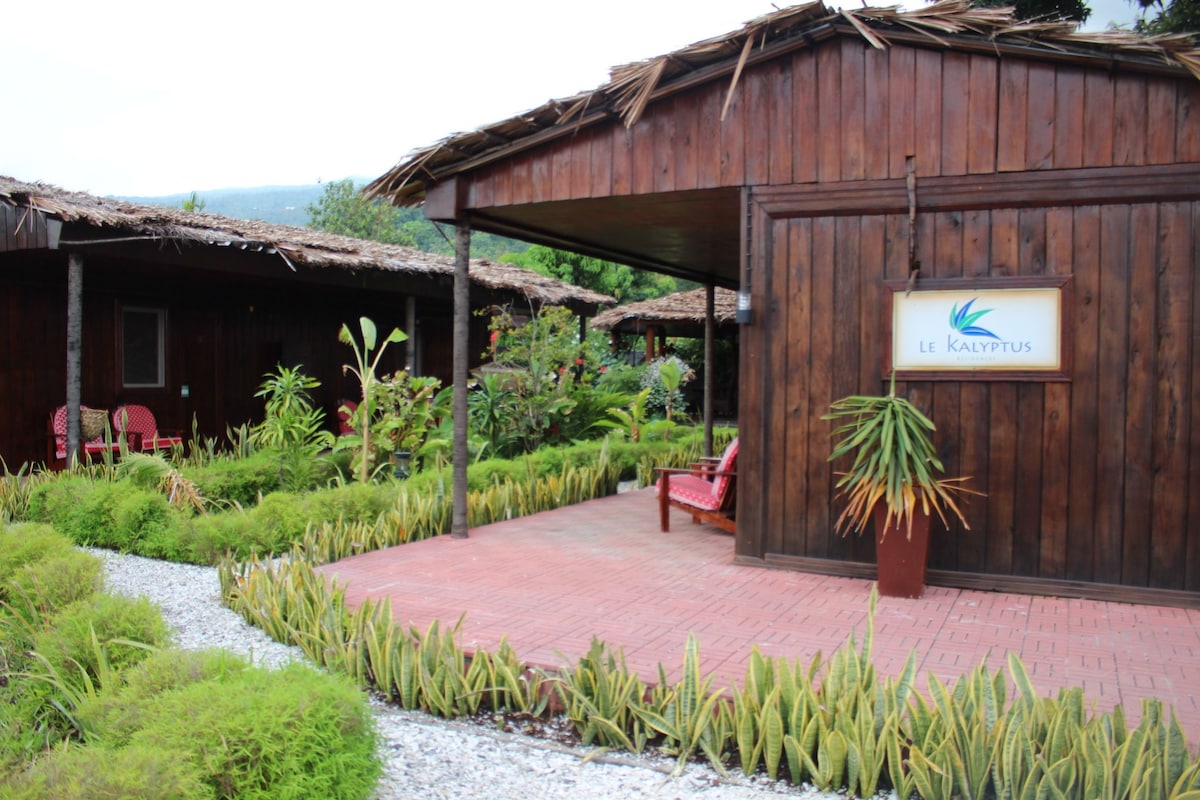
I stayed at Le Dhow in Moroni and can highly recommend it for its good service, well-maintained facilities, and welcoming atmosphere. The price was more than fair as well.


Luxury
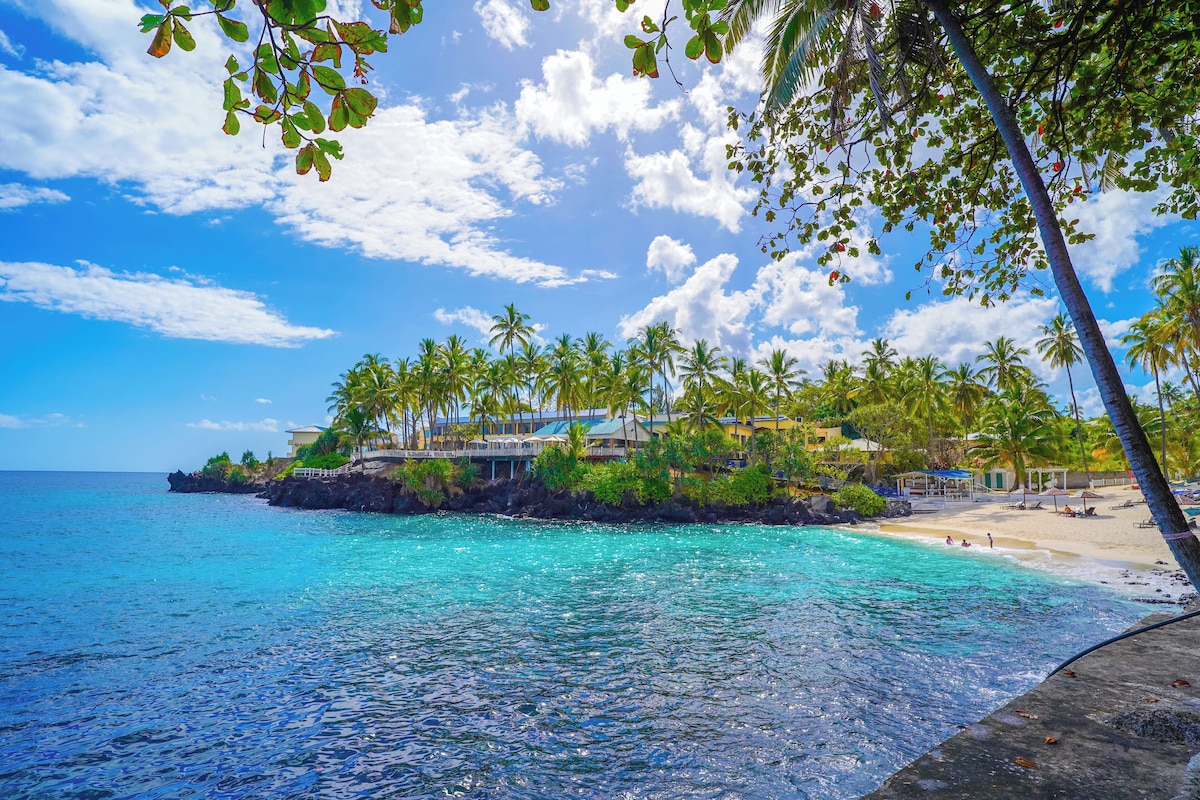
For a more upscale experience, Itsandra Beach Hotel & Resort offers a beachfront location with top-tier amenities, ocean views, snorkeling, and spa treatments. It’s the perfect spot for those seeking an indulgent getaway.
What to Eat in the Comoros
Comoros has two widely recognized national dishes:
- Langouste à la vanille – grilled lobster served with a fragrant vanilla cream sauce, showcasing the islands’ prized vanilla.
- Mayele na madaba – cassava leaves slow-cooked in creamy coconut milk, a true staple of Comorian cuisine.
Other must-try dishes and flavors include:
- Pilao – spiced rice with meat or fish, rich in Indian Ocean influences.
- Sambusas – crispy pastries filled with spiced vegetables or meat, a favorite street snack.
- Octopus curry & grilled fish – fresh from the sea, flavored with coconut and spices.
- Mshikaki – Grilled skewers of beef or chicken, marinated in spices.
- Cari – Coconut-based curry with fish or meat.
- Sambusas – Crispy pastries filled with spiced vegetables or meat, popular street food.
- Cardamom pastries – a sweet finish to a Comorian meal.
- Tropical fruits – Papaya, mango, lychee, and bananas are abundant and delicious.
- Rasko – A sweet porridge made with rice, sugar, and coconut milk, often served as dessert.
Also Good to Know
- Language: The official languages are Comorian, Arabic, and French. Most locals also speak Shikomori (a mix of Arabic and Bantu languages). While English is not widely spoken, learning a few key phrases in French or Arabic will be helpful.
- Currency: The Comorian franc (KMF) is the local currency. Credit cards are not widely accepted, so it’s best to carry cash for most transactions. I used N26 and Wise debit carda to withdraw cash from local ATMs for a very low fee. You can get your cards through the links below.


- Visa Requirements of the Comoros: Most visitors will need a visa for the Comoros, which can be obtained on arrival for many nationalities. However, check the latest visa requirements before you travel. They can look kind of puzzled if you say you came for tourism. 🙂 You can check the visa policy of the Comoros here.
- Safety: The Comoros is generally safe for tourists, but like any destination, it’s important to stay alert, especially in more remote areas. Always follow local advice on safety, particularly when hiking or exploring uninhabited areas. In Moroni there can sometimes be stray dogs. Just keep a distance and you will be fine.
- Connectivity across the Comoros was surprisingly decent, with reliable Wi‑Fi in most stays. For smoother coverage, pick up a local SIM at the airport upon arrival. It costs around 10 euro and is hassle‑free.
Frequently Asked Questions about Comoros
Is Comoros safe for tourists? Yes, the islands are generally safe. Petty theft is rare, and locals are welcoming. Exercise normal caution, especially at night or in remote areas.
Do I need a visa? Most nationalities can obtain a visa on arrival for around €30. A return ticket and proof of accommodation are usually required.
How do I get to Comoros? Flights connect via Nairobi (Kenya Airways), Addis Ababa (Ethiopian Airlines), Dar es Salaam (Precision Air, AB Aviation), and Mayotte.
What is Comoros famous for? Its nickname “Perfume Islands” comes from ylang-ylang, vanilla, and cloves. It’s also known for whale watching, turtle nesting, and Mount Karthala volcano.
Which island is best? Grande Comore for culture, Mohéli for wildlife, Anjouan for nature and spices.
Last Updated on 24/01/2026 by Panos
