
Often overlooked in favor of Tunis’s grandeur or the island vibes of Djerba, Sfax, Tunisia’s second largest city, is one of the country’s most authentic and least touristed destinations. Enclosed within robust stone walls, the Sfax medina thrums with daily life: fishmongers call out prices in Arabic, the scent of grilled seafood and jasmine drifts through the alleyways, and residents go about their routines without the polish of curated tourism.
When I began researching what to see in Sfax, I quickly realized the city deserves more than a brief stop. Positioned further east from Kairouan’s sacred mosques, the Roman ruins of Sbeitla, El Jem Amphitheater, and the desert oases of Tozeur, Sfax is a gritty yet graceful city where history is lived rather than staged. If you are craving the real Tunisia beyond postcard beaches and package tours, Sfax rewards with unfiltered coastal charm, deep traditions, and a vivid window into everyday life.
Table of Contents
Top Things to Do in Sfax in a Nutshell: Suggested Itineraries
- 1 Day in Sfax: Morning Medina walk (Bab Diwan, Grand Mosque), lunch at the fish market, Dar Jellouli Museum, dinner at restaurant Cercina.
- 2 Days in Sfax: Add Kasbah Museum, New Town cafés, Chaffar Beach sunset.
- 3 Days in Sfax: Day trip to Kerkennah Islands or El Jem Amphitheater.
A City Steeped in History
The history of Sfax, Tunisia stretches back more than a millennium. Founded in the 9th century during the Aghlabid dynasty as a strategic coastal fortress and trading hub, its location made it a vital link in Mediterranean commerce. The city flourished through Roman, Byzantine, and Islamic eras, and its well-preserved medina walls, dating mostly from the medieval period, still stand as a reminder of centuries spent defending against invasions and piracy.
What struck me most while walking along the Sfax medina walls is how seamlessly history and daily life blend here. The city has weathered occupations, economic changes, and political upheaval, yet its core identity remains strong. Unlike Tunisia’s more touristed centers, Sfax feels unfiltered and resilient, a place where the past is not tucked away in museums but woven into the rhythm of everyday streets. That living history is what makes experiencing Sfax so different from simply visiting.

The Medina of Sfax: A Living Heritage Enclosed by Stone Walls
Walking through Bab Jebli, the northern gate of the Sfax medina, feels like stepping into a living time capsule. Unlike the polished medinas of Tunis or Sousse, Sfax’s old city is gritty, raw, and unapologetically real. Its origins date back to the 9th century under the Aghlabid dynasty, and the enduring stone walls still protect a maze of narrow alleyways filled with open-air butcher stalls, fabric merchants, and workshops echoing with the sound of metal tools.
What struck me most inside the Sfax medina was how seamlessly faith, trade, and daily life still converge. Shops open early, prayer calls punctuate the day, and residents move through their routines with little attention to outsiders. It is not a medina staged for visitors but one that continues to function as it has for centuries, offering a rare, unfiltered window into Tunisia’s urban heritage.

Bab Jebli and Bab Diwan: Historical Gateways to the Heart of Sfax
The medina of Sfax can be entered through four main gates, but none are as iconic or symbolic as Bab Jebli and Bab Diwan. These portals mark more than entry points; they reflect the city’s dual identity as an inland stronghold and a coastal trading hub.
Bab Jebli, meaning “Gate of the Mountains,” opens toward the hinterlands. For centuries, traders passed through its thick stone archways with caravans loaded with olives, spices, and handcrafted wares. Walking through Bab Jebli today, I felt its history in the sturdy stones and the sense of defense it once provided against pirate raids and foreign incursions.
Bab Diwan, on the other hand, faces the Mediterranean. This southern gate still hums with life: fishmongers call out their catches, fruit stalls spill onto the street, and locals gather to chat near the port. Here the past meets the present, as traditional merchants share space with taxi drivers and delivery vans from the modern city just beyond the walls. Visiting Bab Diwan offers a tangible sense of how the Sfax medina remains a living, functional city.
Together, these gates reflect Sfax’s historic role as a crossroads, where desert trade routes and maritime paths converged and still do.

Funduq des Forgerons: Craftsmanship in the Heart of the Medina
Tucked into the winding alleys of the Sfax medina, the Funduq des Forgerons, or “Inn of the Blacksmiths,” offers a quiet but powerful glimpse into the city’s artisanal soul. Funduqs, or caravanserais, once provided shelter and workspace to traveling merchants and craftsmen. Here, the clang of hammers and the hiss of cooling metal once echoed as Sfax’s blacksmiths shaped horseshoes, tools, and iron fittings by hand.
Stepping into its central courtyard, I was struck by the elegantly aged wooden balconies, their carved balustrades casting intricate shadows in the Tunisian sun. It was easy to imagine the hum of negotiation, the bustle of trade, and the steady rhythm of creation that once filled this space.
Today, Funduq des Forgerons functions as a cultural venue, hosting exhibitions that celebrate the city’s craftsmanship legacy. Even in its quiet modern role, the air seems to carry the weight of molten iron and centuries of tradition, a reminder of the city’s enduring dedication to skilled artisanship.


Souq des Etoffes: Colors, Textures, and Tradition
At the heart of the Sfax medina lies the Souq des Etoffes, the city’s historic fabric market, a kaleidoscope of color, texture, and heritage. Rolls of vibrant cloth spill from wooden stalls, catching the light with bold patterns and shimmering hues. Hand-loomed cotton, embroidered silk, and traditional Tunisian foutas each carry stories of trade, artistry, and cultural identity.
As I wandered the souq, I saw weavers at their looms and dyers stirring vats of indigo or saffron-colored dye. These techniques have been passed down through generations and are still preserved in this very market. Running my fingers over a length of fabric, I could feel the quiet rhythm of a craft that continues to shape Sfax’s cultural spirit, a tangible connection to the city’s living history.
I really like this video by YouTube creator Emily, which communicates in an excellent way what I also experienced in the medina:
The Great Mosque of Sfax: A Spiritual and Architectural Landmark
At the heart of the historic medina, the Great Mosque of Sfax stands as a testament to both spiritual devotion and architectural mastery. Founded in the 9th century under the Aghlabid dynasty, its fortress-like exterior commands respect and reflects the city’s long history of resilience and faith.
Stepping into the mosque’s expansive courtyard, I was immediately struck by the serene atmosphere. The open space, framed by sturdy walls and elegant arches, invites both worshippers and visitors to pause, breathe, and take in the quiet rhythm of daily devotion.
Inside, the prayer hall reveals a breathtaking example of classical Islamic design. Rows of slender stone columns support graceful horseshoe arches, creating a visual rhythm that guides both eye and spirit. The hypostyle layout not only emphasizes the mosque’s vastness but also fosters a profound sense of community among those who gather to pray.
Remarkably well preserved through the centuries, the mosque remains a vibrant center of worship. Observing the devotion of Sfax’s faithful, I could feel how tradition and daily life continue to intertwine within these ancient stones. Visiting the Great Mosque offers more than an architectural experience; it provides a glimpse into the enduring spiritual heartbeat of Sfax.
Tip: I great spot to enjoy panoramic views of the Mosque is Dar Bellaaj restaurant (open 12:00 to 16:00). The traditional food that they serve is excellent as well!

Sfax Fish Market: The Heartbeat of the City’s Maritime Life
Just beyond the southern gates of the medina lies the Sfax fish market, a lively hub where the rhythms of the sea shape daily life. At first light, brightly painted boats glide into the port, their holds brimming with tuna, sardines, octopus, and glistening shellfish. The market comes alive in a symphony of movement and sound.
Inside, the air is thick with salt and brine. Fishmongers call out prices, knives flash across cutting boards, and crushed ice crackles underfoot. Rows of fresh catch are neatly arranged like a maritime mosaic, while nearby stalls serve grilled calamari and fried sardines, still sizzling from the pan.
Visiting the Sfax fish market, I was struck by how much it reveals about the city’s enduring connection to the Mediterranean. Arriving early is key to experiencing the full energy of the market, and sampling some of the city’s famously fresh seafood, straight from boat to plate, is an unmissable part of the visit.
Here is a video that captures the vibes of the fish market well:
Visiting the Museums of Sfax
To understand the deeper threads of Sfax’s identity, its museums provide a thoughtful lens into the city’s evolution. From ancient Punic foundations and Roman mosaics to Islamic calligraphy and colonial-era artifacts, these cultural institutions preserve the stories that have shaped Sfax across centuries. Often overlooked by casual visitors, the museums reward the curious with quiet treasures, revealing the city’s role as both a coastal stronghold and a center of trade, scholarship, and craftsmanship.
Dar Jellouli Museum: A Glimpse into Traditional Life
Tucked into the winding alleys of the medina, the Dar Jellouli Museum occupies a beautifully restored 18th-century palace that once belonged to one of Sfax’s prominent families. This residence has been transformed into a living showcase of local heritage, where each room tells a story of the city’s artistic and cultural traditions.
Inside, I found an exquisite collection of ceramics, delicate jewelry, vibrant textiles, and traditional household objects. Each piece reflects the skill and creativity of Sfax’s artisans across generations. What stood out most was the intimate portrayal of everyday life, offering a window into the rhythms and aesthetics of the city’s historic bourgeoisie.
The carefully preserved furniture, hand-painted tiles, and intricate woodwork immerse visitors in a world where craftsmanship and comfort intertwined seamlessly. Walking through these rooms, I could almost hear the whispers of the past and sense the pride of a community deeply connected to its heritage.

Archaeological Museum of Sfax: Tracing Ancient Civilizations
The Archaeological Museum of Sfax offers a captivating journey through millennia of Mediterranean heritage. Conveniently located near the medina’s eastern gate, the museum preserves a remarkable collection of artifacts from the Punic, Roman, and Byzantine eras.
Among the museum’s prized treasures are exquisitely detailed mosaics that portray mythological stories alongside scenes of daily life, each tile a window into the past. Ancient pottery, coins, and inscriptions further enrich the narrative, illustrating Sfax’s role as a thriving hub along key Mediterranean trade routes.
Walking through the galleries, I gained a deeper appreciation for the city’s layered history and its enduring significance across empires. The Archaeological Museum is an essential stop for anyone eager to understand the historical roots that continue to shape Sfax today.

Sfax New Town: The City’s Modern Face
Just beyond the ancient stone walls of the medina, Sfax New Town pulses with contemporary energy and ambition. Broad boulevards lined with bustling cafés, vibrant restaurants, and eclectic shops paint a portrait of a city confidently embracing the future while honoring its rich heritage.
Walking these streets, I was struck by the contrast between the medina’s timeless serenity and the lively buzz of urban life. The city’s economic heartbeat is unmistakable, with busy markets, sleek office buildings, and thriving cultural venues highlighting Sfax’s role as a major commercial and industrial center.
Art galleries and cultural hubs add a creative spark to New Town, showcasing the best of modern Tunisian artistry and innovation. Experiencing Sfax New Town gives a fuller picture of the city, where tradition and progress coexist in a vibrant, living tapestry.


Chaffar Beach: An Enjoyable Getaway
Just a 15-minute drive from Sfax city center, Chaffar Beach provides a peaceful coastal refuge where golden sands meet the calm turquoise waters of the Mediterranean. It is the perfect spot to balance cultural exploration with moments of relaxation, and it remains a favorite among locals looking for a break from the city’s pace.
Walking along the shore, I noticed how gentle waves welcome swimmers of all ages, while sunbathers stretch out under the warm Tunisian sun. Families and friends gather for picnics beneath scattered umbrellas or palm trees, enjoying the fresh sea breeze and the soothing sound of lapping waves.
For a leisurely day, I recommend packing a picnic or stopping at one of the small seaside cafés nearby to sample fresh seafood and local refreshments. The beach is easily accessible by taxi or rental car, with parking available close to the shore. Whether swimming, strolling along the water’s edge, or watching the sunset paint the sky, Chaffar Beach offers a serene coastal escape that complements any visit to Sfax.

Learning about Olive Oil Production in Sfax
Olive cultivation has shaped Sfax for millennia, with groves first tended by Phoenician traders and later expanded under Roman rule, when the region became a vital supplier of olive oil across the Mediterranean. Centuries of Berber and Arab stewardship preserved these traditions, and today Tunisia remains one of the world’s leading producers. You can step directly into this living heritage by joining a hands‑on harvesting experience, learning ancestral techniques and tasting freshly pressed oil in the orchards.

Why Sfax Is Worth Visiting
Sfax is an authentic place and a doorway into Tunisia’s authentic culture; unhurried, vibrant, and full of stories waiting to be discovered. Its historic medina, alive with vibrant souks and cultural landmarks, invites you to uncover stories woven through centuries of daily life.
During my Sfax itinerary, I was struck by how tradition and modernity coexist effortlessly. Ancient stone walls stand alongside bustling cafés and contemporary art galleries, creating a living tapestry where history is not only preserved but felt in every corner. Craftspeople continue age-old trades, and the rhythm of community life echoes through markets and neighborhood streets. Ultimately, Sfax delivers an authentic and immersive experience, one that stays with you long after you leave.
Where to Go Next
If Sfax has captured your imagination, Tunisia offers a wealth of destinations to continue your journey:
- North and the Coast: Spend a day in Tunis or visit Bizerte and Sidi Bou Said and Carthage. Wander the historic streets of Sousse, Monastir, or Mahdia.
- Inland Heritage: Experience the spiritual heart of Kairouan or the Roman relics of Sbeitla. Don’t miss the impressive El Jem amphitheatre. Also discover hidden gems in Tunisia like Testour, Bulla Regia and Dougga.
- Southern Adventures: Journey to the oases of Tozeur and the southern desert (full itinerary here), or explore the island life of Djerba.

Practical Information
If you’re planning a trip to Sfax, having the right practical information can make your visit smoother and more enjoyable. From transport options to cultural tips, here’s everything you need to know for a rewarding experience in this vibrant Tunisian city.
How to Get to Sfax
Getting to Sfax is straightforward, whether you are traveling from Tunisia’s capital, Tunis, or arriving by air. Here are the main options I found most convenient:
By train
The train from Tunis to Sfax takes about 3 to 4 hours, passing along the eastern coast with occasional glimpses of the Mediterranean. Trains are comfortable, with reserved seating and air-conditioned carriages.
By bus
The most reliable company is CTN / Société des Transports de Tunisie (STT), which is government-run. Société de Transport Régional (SOTU) is another option for intercity buses. Private coaches (louages) are popular among locals as well. They are often faster and slightly more comfortable.
Flights to Sfax
Sfax-Thyna International Airport (SXF) is located just a few kilometers south of the city center, making transfers quick and easy. It serves domestic flights and a few (seasonal) international connections, such as Paris-Sfax.

Car rental
Renting a car is a flexible option, particularly if you plan to explore surrounding areas like Chaffar Beach or the Kerkennah Islands. The drive from Tunis follows the A1 motorway and takes about 3.5 hours. Traffic is generally manageable, and road signage is clear.
I booked my rental car in Tunisia on Discover Cars for a great price.

Each of the above options to get to Sfax has its advantages depending on your itinerary, budget, and comfort level. Personally, I found the car to be a very practical way to get around.
Accommodation in Sfax
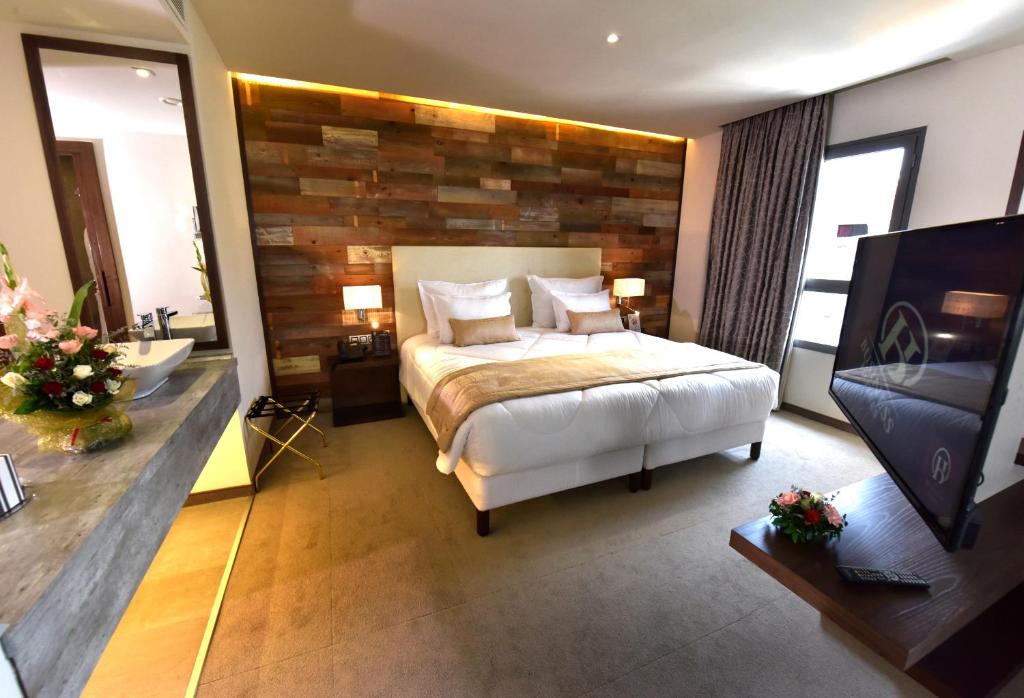
Sfax blends travel energy with cultural depth. Hotels range from sleek city towers to boutique guesthouses, giving travelers modern comfort steps from souks, seafood restaurants, and the historic medina.



Sights Opening Hours and Best Times to Visit
- Medina shops and markets: Most shops and souks in the medina open early, usually around 8:00 AM, and close for a midday break from approximately 12:30 PM to 3:00 PM. They then reopen until late afternoon or early evening, depending on the season.
- Museums and cultural sites: Museums such as the Archaeological Museum of Sfax and Dar Jellouli Museum typically operate from 9:00 AM to 5:00 PM, and are generally closed on Mondays. It’s best to verify opening hours in advance, as times may vary seasonally or due to local holidays.
- Best time to visit Sfax: The most pleasant times are spring (March to May) and autumn (September to November), when temperatures are mild and comfortable for exploring outdoor sites. Summers can be hot and dry, while winters are mild but wetter.
Best Authentic Restaurants in Sfax
My absolute favorite is Restaurant Cercina, where they serve some of the tastiest seafood I have ever had! It’s a very unassuming place near the Central Market frequented by locals. Really loved it!

Other great places I recommend are Dar Bellaj (only open for lunch) inside the medina and Le Barbecue in the New Town.
Restaurant Foued Jmal in Sfax medina is also worth trying for their local “mokli” dish. Be aware it can be rather spicy!
Frequently Asked Questions about Sfax
Is Sfax worth visiting in Tunisia? Yes. Sfax offers an authentic Tunisian experience with fewer tourists, a lively Medina, and excellent seafood.
How many days should I spend in Sfax? One full day covers the Medina and museums, but 2–3 days allow for day trips to Kerkennah Islands or El Jem.
Is Sfax safe for tourists? Sfax is generally safe, with a reputation as a business city. Normal travel precautions apply, especially in busy markets.
What is Sfax famous for? Sfax is known for its historic Medina, olive oil production, fishing industry, and proximity to Kerkennah Islands.
How do I get to Sfax? You can reach Sfax by train from Tunis, domestic flights to Sfax–Thyna Airport, or long‑distance buses.
What language is spoken in Sfax? (Tunisian) Arabic is the main language, but French is widely understood. English is less common, so basic French helps.
What are the best day trips from Sfax? Popular options include Kerkennah Islands, El Jem Amphitheater, Kairouan, and Mahdia’s beaches.
Where should I stay in Sfax? Top hotels include Radisson Blu, Les Oliviers Palace, Borj Dhiafa, and budget options like Ibis Sfax.
What is the best time to visit Sfax? Spring (March–May) and autumn (September–November) offer pleasant weather. Summers are hot, winters mild.
Does Sfax have beaches? Yes. Chaffar Beach and nearby Kerkennah Islands provide coastal escapes from the city.
Last Updated on 03/02/2026 by Panos


