

Alonissos, Greece: The Complete Travel Guide with Best Beaches, Marine Park, Itineraries & Insider Tips
Alonissos is the Sporades island for travelers who want Greece at a lower volume. It has clear pebble-and-sand beaches, a restored hilltop old town, one of the Mediterranean’s most important marine-protected landscapes, and a more grounded feel than Skiathos or even Skopelos. If you want beach clubs and nightlife, look elsewhere. If you want quiet coves, hiking, seafood and a genuine sense of place, Alonissos is one of the most rewarding islands in this part of Greece.
My short version: give Alonissos at least three nights and preferably five. Stay around Patitiri for convenience, Chora if evening atmosphere matters most, or Steni Vala for a quieter fishing-village base. The Marine Park and Peristera shipwreck are what make the island genuinely distinctive; the beaches, hiking and food are what make you want to stay.
What Kind of Alonissos Trip Is This?
Alonissos rewards people who want clear water, walking, boat days and small-scale island life rather than nightlife.
Three nights covers the essentials. Five to seven lets the island slow down properly.
No other Sporades island combines beach travel with protected marine landscapes and underwater archaeology quite like this.
Three Useful Ways to Reach or Experience Alonissos
These are the three booking links I would actually put near the top of the article. They cover the most common international route, the most useful mainland route from Athens, and the organized day-trip option from neighboring Skopelos.

Skiathos / Skopelos → Alonissos
Fly into Skiathos and continue by ferry via the Sporades network. For most international visitors, this is the cleanest route into Alonissos.
Compare ferry tickets
Mantoudi → Alonissos
If you are coming from Athens without flying, travel north through Evia to Mantoudi and continue by ferry. It also fits naturally into an Evia road trip.
Check Ferryhopper
Daily Sailing Tour to Alonissos
A small-group sailing option with swim stops, snorkeling and paddleboarding if you are staying on Skopelos rather than sleeping on Alonissos.
See the sailing tourAffiliate links: if you book through them, I may earn a commission at no extra cost to you.
Alonissos Map: Beaches, Villages, Ports & Key Sights
Why Visit Alonissos?
Alonissos feels different from the moment you compare it with its better-known neighbors. Skiathos has the airport, nightlife and more developed beaches. Skopelos feels more polished and photogenic in places. Alonissos is the quieter, more nature-led island of the three.
Its defining feature is the National Marine Park of Alonissos and Northern Sporades. The park stretches far beyond Alonissos itself to uninhabited islands, reefs and protected marine habitats used by dolphins, seabirds and the endangered Mediterranean monk seal.
The island works because that marine identity does not exist in isolation. You also get a restored hilltop Chora, a serious network of old walking routes, excellent swimming, several very good fishing villages and enough restaurant variety for a week without the island ever feeling heavily commercialized.
Who Alonissos works for
How to Get to Alonissos
Alonissos has no airport, so every journey ends with a ferry. The question is which gateway creates the least friction for the rest of your trip.
| Route | Typical journey | Best for | What matters |
|---|---|---|---|
| Skiathos → Alonissos | Usually around 1.5–2.5 hours depending on vessel and stops | International arrivals | Skiathos has the airport and is the easiest air-to-ferry connection. |
| Skopelos → Alonissos | Short Sporades ferry hop | Island hopping | The natural pairing if you want two islands rather than one. |
| Mantoudi → Alonissos | Roughly 2–3 hours at sea depending on service | Athens + Evia trips | Probably the most useful mainland gateway if you are not flying. |
| Thessaloniki → Alonissos | Longer seasonal connection | Northern Greece | Worth checking if your wider route already includes Macedonia. |
Do not plan around a generic ferry duration. Sporades crossings change according to vessel, intermediate stops and season. Check the actual sailing for your travel date before booking onward transport.
Where to Stay in Alonissos
The hotel itself matters less than choosing the right part of the island. Patitiri is easiest for ferry logistics and transport, Chora has the best evening atmosphere, and Steni Vala gives you a quieter waterside base. These are the properties I would compare first.
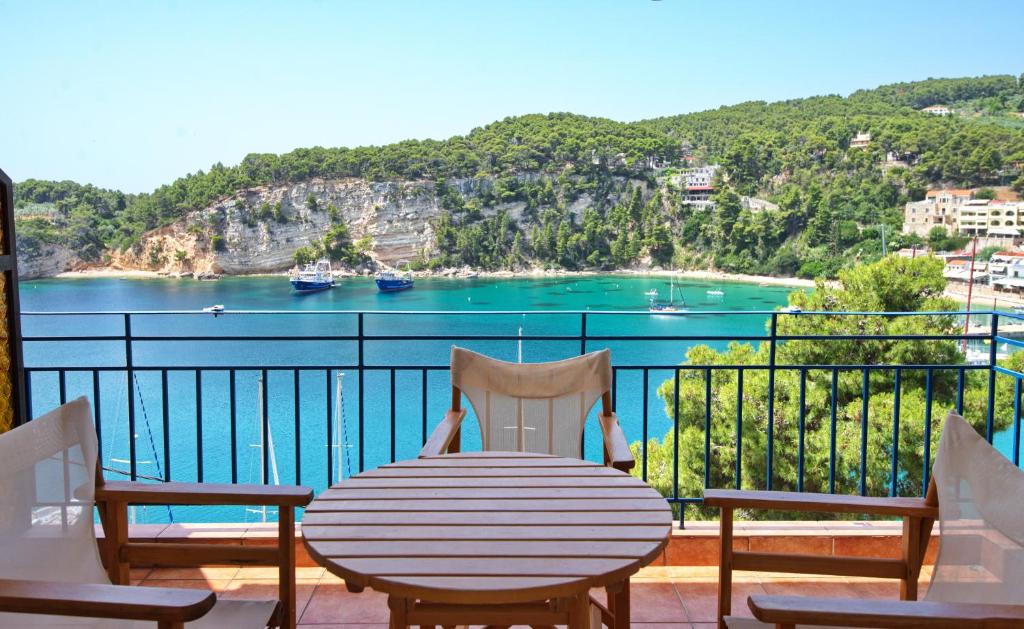
Kavos Hotel
Sea-view balconies and a very convenient location for the ferry, waterfront restaurants, boat trips and day-to-day transport.
Check Kavos Hotel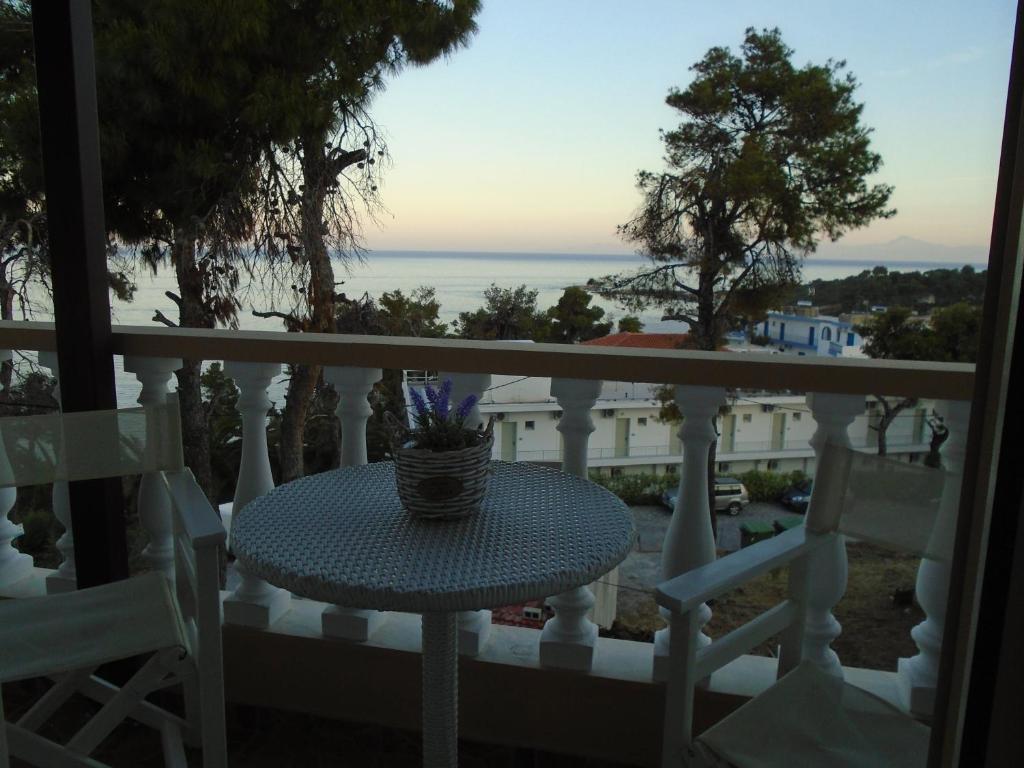
Machi Rooms
A simple option with private balconies and easy access to the harbor, tavernas and nearby swimming spots.
Check Machi Rooms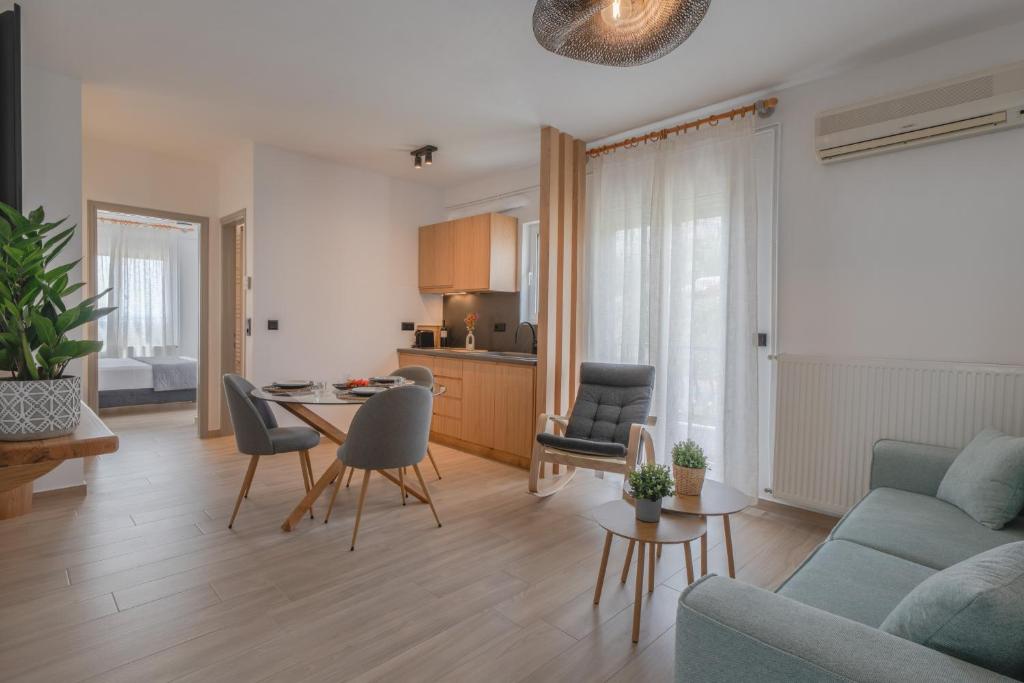
Studios Nelli
Self-catering style accommodation with balconies and a useful location if you want a practical rather than resort-style stay.
Check Studios Nelli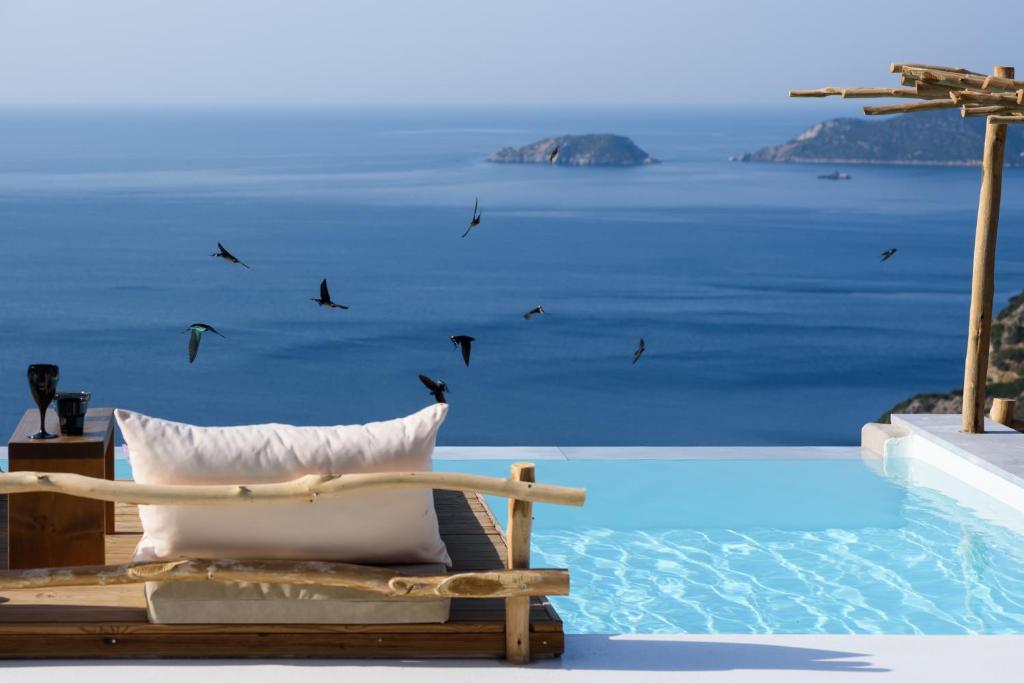
Aletri Swim Up Boutique Hotel
A more polished stay near the old village, better suited to couples prioritizing atmosphere and design over port convenience.
Check Aletri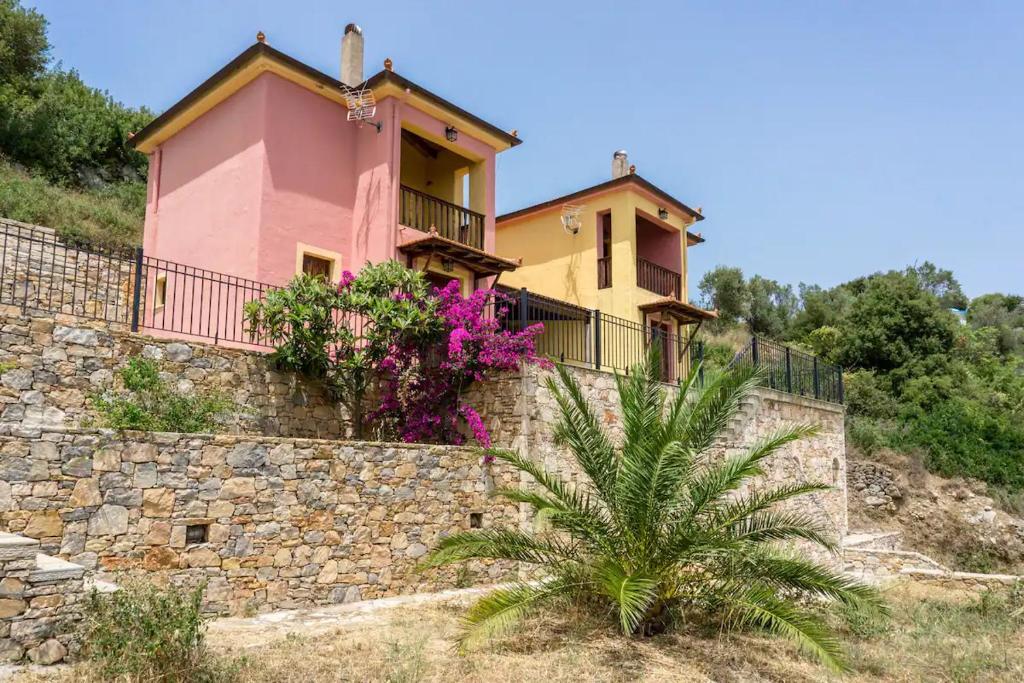
Katerina’s Houses
Traditional-style accommodation with terraces and a stronger old-village feel than the practical port hotels below the hill.
Check Katerina’s Houses
Sossinola
A strong choice if you want to wake up in a small fishing village rather than organize every day around Patitiri.
Check SossinolaAccommodation links are affiliate links. If you book through them, I may earn a commission at no extra cost to you.
Best Things to Do in Alonissos
Explore the National Marine Park
The Marine Park is the experience that makes Alonissos genuinely different from the rest of the Sporades. It extends across a large protected area containing uninhabited islands, reefs and marine habitats used by dolphins, sea turtles, seabirds and Mediterranean monk seals.
Boat trips vary. Some focus on swimming and scenery, while others travel farther toward islands such as Kyra Panagia or Psathoura. Pick according to the route rather than simply choosing the cheapest departure.
About monk seals: they live in the protected area, but sightings are uncommon. Choose a Marine Park excursion because you want the landscape and the sea; treat any wildlife encounter as a bonus.
Dive into the Peristera Underwater Museum
Off Peristera lies one of Greece’s most interesting accessible underwater archaeological sites: a 5th-century BC wreck whose cargo included thousands of amphorae.
Certified divers can explore the wreck with authorized operators. If you do not dive, the Knowledge & Awareness Center lets you understand the site through interpretation and digital material without going underwater.

Spend an evening in Chora
Alonissos’s old hilltop village was heavily damaged by the 1965 earthquake and later restored. Today it is the island’s strongest evening destination: stone lanes, restored houses, tiny squares, bars and terraces looking over the sea.
I would arrive in late afternoon rather than treating Chora as a midday sightseeing stop. Wander before sunset, stay for drinks, and eat dinner once the light has gone.

Visit the Kostas & Angela Mavrikis Museum
The museum in Patitiri is a compact but worthwhile introduction to the island’s social history, traditional life and pirate past. It works particularly well at the start of a longer trip because it gives the beaches and villages more context.

Walk the old paths
Hiking is one of the easiest reasons to stay longer than three nights. Alonissos has forest tracks, old stone paths and coastal routes connecting Chora, beaches and rural areas.
- Chora → Patitiri: classic old path between the modern port and old village.
- Chora → Megalos Mourtias: easy combination of village and swimming.
- Chora → Kalovoulos: good choice for viewpoints.
- Agii Anargyri: one of the island’s strongest scenic walks.
- Patitiri → Votsi → Mega Nero: varied coast and forest.
- Kastanorema → Agios Dimitrios: longer hike finishing at an excellent beach.
Navigation: some signs fade or disappear. Download the route before leaving and do not depend entirely on trail markings.
Stop at the Women’s Agrotourism Cooperative
The cooperative near Patitiri sells handmade pies, jams and sweets based on local recipes. It is a small stop, but it connects Alonissos’s food culture to the people actually preserving it rather than turning the island’s specialties into another generic souvenir product.

Best Beaches in Alonissos
Alonissos does not have one dominant beach style. Some coves are organized, others are pebbly and completely simple, and only a few have the sandy entry families sometimes expect from a Greek island.
| Beach | Best for | Type | Why go |
|---|---|---|---|
| Agios Dimitrios | Best overall | Long pebble beach | Extraordinary water, good space and the strongest all-round first choice. |
| Leftos Gialos | Comfortable all-day beach | Organized bay | Good swimming combined with tavernas and facilities. |
| Kokkinokastro | Scenery | Pebble beach below red cliffs | The geological setting makes it visually different from the rest of Alonissos. |
| Chrisi Milia | Families | Sandy / gentler entry | One of the island’s easier beaches for younger children. |
| Agii Anargyroi | Scenic quiet | Small cove | Pairs particularly well with walking. |
| Megalos Mourtias | Chora + beach combination | Pebble cove | Very practical if you are staying around the old village. |
| Yialia / Vithisma | Quieter swimming | Less organized coves | Worth seeking out once you have already seen the headline beaches. |
If you only have time for three beaches
What to Eat in Alonissos
Alonissos food is closely tied to the sea, but the island also has its own pie and small-producer culture. The local dishes are worth seeking out rather than ordering the same generic Greek menu everywhere.
- Alonissos tuna, usually preserved in glass jars.
- Smoked tuna served as meze.
- Cheese pie — one of the island’s most characteristic dishes.
- Octopus pie, when you can find it.
- Lobster pasta, particularly around the fishing villages.
- Fresh squid, cuttlefish and local fish.
- Wild-greens and spinach pies.
- Almond sweets and fouskakia.
- Local thyme and pine honey.
- House wine and tsipouro.

Restaurants worth keeping on the shortlist


How Long to Stay in Alonissos
3 days: the essentials
5 days: the best first-trip balance
1 week: when Alonissos really works
Use the extra time for Steni Vala, Yialia, Vithisma, longer hikes, a deliberately slow Leftos Gialos day and at least one afternoon where you do not try to fit anything else in.
Responsible Travel & the Marine Environment
Alonissos’s conservation identity is not just branding. The protected marine area, monk-seal research and island-wide environmental initiatives have shaped how tourism develops here.
The easiest ways to travel responsibly are also the least dramatic: do not approach wildlife, do not leave rubbish on boat excursions or hiking trails, use refillable water where practical and spend money with local producers and family-run businesses.
Practical Alonissos Tips
Best time to visit
June and September are my favorite overall months: warm enough for swimming, but usually easier than peak July and August. May works particularly well for hiking, while July and August have the widest range of tourist services.
Getting around
Current municipal bus information is available at bus.alonissos.gov.gr.

Money & ATMs
You will find ATMs in Patitiri and Chora. Cards are widely useful, but in high season I would still avoid waiting until you are completely out of cash before making a withdrawal.
Mobile Data & Internet
Alonissos is another Greek island where the underlying network matters more than the eSIM brand name. Telekom — formerly Cosmote — generally has the strongest overall island coverage, especially once you move away from Patitiri and the main settlements. Vodafone and Nova work in many populated areas, but coverage can become more variable around remote beaches, forested terrain and boat routes.
Whichever network you use, signal can disappear offshore in the Marine Park. Download your ferry confirmations, accommodation details and offline maps before a boat day.

Orange Travel Greece eSIM
Orange Travel currently offers access to Telekom/Cosmote, Vodafone and Nova in Greece. That multi-network structure makes it particularly useful on islands such as Alonissos where coverage quality can change as you move around the coast.
Check Orange Travel plansAlonissos FAQs
Is Alonissos worth visiting?
Yes. It is one of the strongest Greek islands for travelers who want clean water, nature, hiking and a quieter atmosphere rather than nightlife and resort development.
How many days do you need in Alonissos?
Three days covers the main highlights, but five days is a much better first trip. A full week makes sense if beaches and hiking are major priorities.
What are the best beaches in Alonissos?
Agios Dimitrios is the strongest all-round first choice, Kokkinokastro has the most distinctive setting, Leftos Gialos is excellent for a comfortable organized day and Chrisi Milia is one of the easiest beaches for families.
Can you see monk seals in Alonissos?
They live within the National Marine Park, but sightings are never guaranteed and should not be expected on every boat trip.
Can non-divers experience the Alonissos Underwater Museum?
Yes. Certified divers can visit the Peristera wreck underwater, while non-divers can learn about the site through the island’s Knowledge & Awareness Center and digital interpretation.
Where should you stay in Alonissos without a car?
Patitiri is the easiest base because the ferry, buses, boat excursions, shops and restaurants are concentrated around the port.
Is Chora or Patitiri better?
Choose Patitiri for logistics and Chora for atmosphere. Chora has the better evenings and views; Patitiri makes everyday transport much easier.
Do you need a car in Alonissos?
No for a short trip based in Patitiri, but a car becomes very useful once you stay five days or longer and want to explore beaches independently.
Is Alonissos suitable for families?
Yes. The island is quiet and manageable, although families wanting soft sand should prioritize Chrisi Milia rather than assuming every Alonissos beach has a sandy entry.
Which is quieter, Alonissos or Skopelos?
Alonissos is generally quieter and more nature-focused. Skopelos has more tourism infrastructure and a more polished village-and-beach holiday feel.
Can you visit Alonissos as a day trip?
Yes from Skiathos or Skopelos, but the island is much better as a multi-night stay. A day trip gives you a glimpse rather than the reason Alonissos is special.
Which mobile network is best in Alonissos?
Telekom, formerly Cosmote, is the network I would prioritize for the most consistent overall coverage. Signal can still weaken on remote trails, beaches and offshore in the Marine Park.
Final Thoughts
Alonissos does not need a single blockbuster attraction to justify the trip. The island works because the parts reinforce one another: protected sea, small harbors, pine-covered walking routes, excellent swimming, seafood and a hilltop village that becomes more appealing as the day cools.
The Marine Park and Peristera wreck make Alonissos unusual. The slower everyday rhythm is what makes it somewhere I would stay rather than simply visit.
Where to Go After Alonissos
The obvious continuation is not automatically another distant Greek island. Alonissos sits inside a region that becomes much more interesting when you follow the geography rather than treating every island as an isolated destination.

Last Updated on 26/09/2026 by Panos


