

Anafi, Greece Travel Guide: Ferries, Beaches, Kalamos Hike & the Quiet Edge of the Cyclades
Anafi is the Cycladic island that appears just when Santorini starts to feel like too much. It has one compact Chora, long stretches of undeveloped coast, surprisingly serious hiking, awkward ferry hours, and a giant rock rising above the eastern end of the island. According to mythology, Apollo revealed Anafi to the storm-tossed Argonauts as a refuge, and the island still feels unusually good at playing that role.
My approach to Anafi: do not build a minute-by-minute sightseeing itinerary. Build around three things instead — the ferry, the south-coast beaches, and one good-weather morning for Kalamos — then allow the island to slow the rest of the trip down for you.
Late-night and pre-dawn arrivals are normal enough that your hotel transfer deserves advance planning.
The huge eastern monolith and Panagia Kalamiotissa are what make Anafi visually unlike any other small Cycladic island.
Anafi becomes better when a single beach or trail is allowed to take most of the day.
Anafi Map: Beaches, Chora, the Port & Kalamos
Why Anafi Feels Different
Anafi is not simply a quieter Santorini. It is structurally different. There is no airport, no resort strip, no succession of polished villages and very little reason to hurry from attraction to attraction.
Chora concentrates most of the island’s everyday life. The south coast holds the most accessible beaches. The eastern end culminates in Kalamos, a roughly 460-meter rock mass that dominates the island’s identity and supports the summit monastery of Panagia Kalamiotissa.
Walking matters here because several of the places worth reaching are connected naturally by old paths rather than by a sightseeing road circuit. Anafi therefore works especially well for travelers who enjoy a trip where reaching somewhere is part of the experience.
Myth, Exile & Anafiotika
Anafi’s myth says that Apollo caused the island to appear out of the Aegean to save the Argonauts from a storm. Ancient remains around the lower Monastery of Zoodochos Pigi point to a sanctuary of Apollo that once occupied this side of the island.
Much later, Anafi was used as a place of political exile, while island craftsmen who moved to Athens helped build the tiny whitewashed neighborhood of Anafiotika beneath the Acropolis.

Getting to Anafi: Start With the Ferry, Not the Hotel
No flight lands on Anafi. Every trip ends at Agios Nikolaos port, and that simple fact explains why ferry planning deserves more attention here than on a heavily connected island such as Naxos.
Do not book Anafi with a zero-buffer mentality. The meltemi can disrupt Aegean ferry schedules, and Anafi does not have enough daily departures to make every cancellation easy to recover from.
Useful Anafi Ferry & Sailing Options

Direct Ferries
Compare available Anafi sailings from Santorini, Piraeus and other islands before you build the rest of the itinerary.
Compare ferry tickets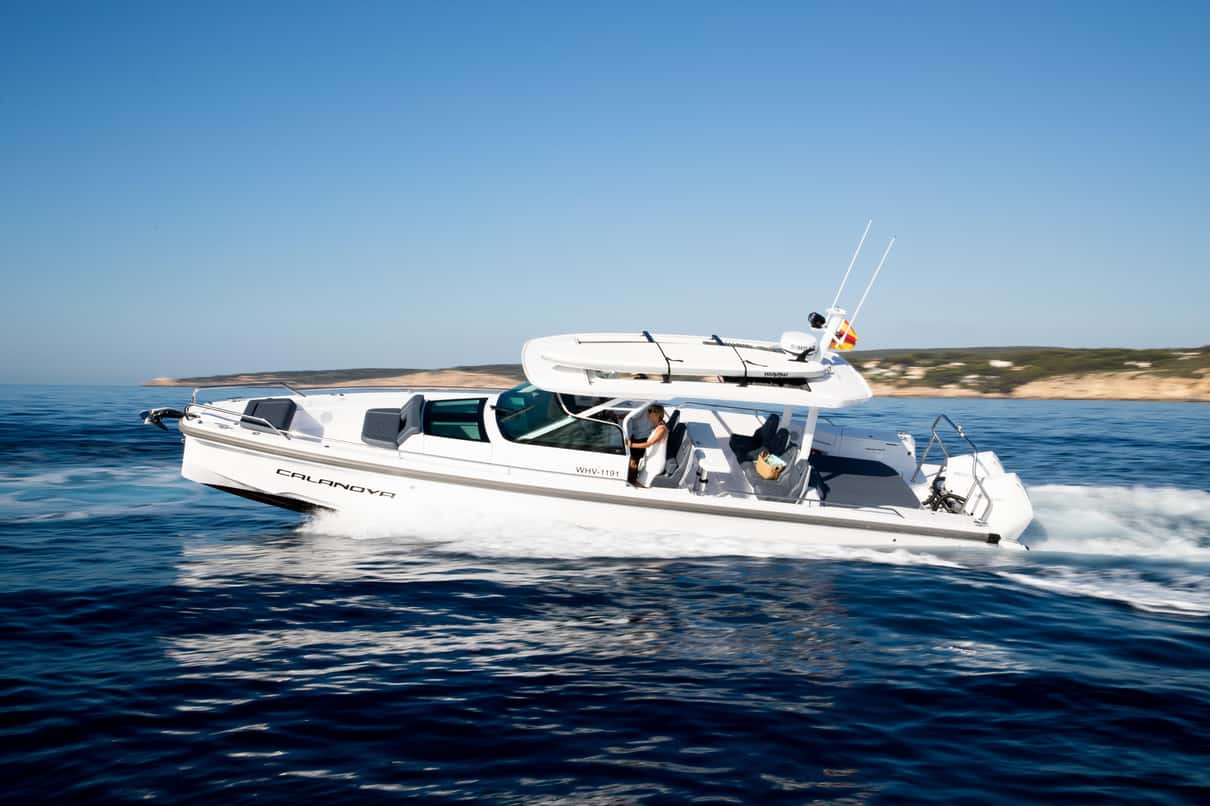
Island Hopping: Santorini to Anafi
A private sailing alternative with swimming, snorkeling, Greek food and drinks if you want to experience Anafi without depending on the regular ferry schedule.
See the sailing tripThese are affiliate links; I may earn a commission if you book through them, at no additional cost to you.
The 3 AM Anafi Problem: Plan Your Arrival Before You Leave
Some long-distance Anafi ferries arrive between the middle of the night and dawn. On a large island this might be mildly inconvenient. On Anafi, where transportation is limited and accommodation reception may not operate like an airport hotel, it matters.
Getting Around Anafi Without Turning It Into a Road Trip
Anafi does not require a rental car to work. Chora, the summer bus and the hiking network can cover a surprisingly large part of a first trip.

Taxi contacts from my original notes: Giannis: (+30) 6987 950 445 · Kostas: (+30) 6973 953 947.
For the latest bus information, check the Municipality of Anafi, email [email protected], or call (+30) 22860 61266.
No-car verdict: stay in Chora, use the summer bus intelligently and be willing to walk, and Anafi works very well without renting anything.
Where to Stay: Choose Your Version of Anafi
Accommodation is limited enough that I would not overcomplicate neighborhood research. For most travelers, the real choice is between Chora convenience and a quieter stay closer to the port or beach side of the island.

Apollon Village Hotel
One of the most established Anafi options, close to Klisidi Beach and useful if immediate sea access matters more than staying directly in Chora.
Check Apollon Village
Anafi Drops Mare
Modern apartments with private terraces and a strong fit for travelers who want the sea to be part of the accommodation rather than a day trip.
Check Anafi Drops Mare
Boreas Stone House
A more private stone-built option for travelers who value terraces, character and quiet over being in the center of village activity.
Check Boreas Stone House
Panorama Rooms Anafi
A straightforward rooms-and-views choice if you care more about a balcony and island setting than hotel-style facilities.
Check Panorama Rooms
Villa Aigli Anafi
A spacious option with terraces and views, better suited to travelers who want quiet surroundings and do not mind being less tied to the village center.
Check Villa AigliHotel links are affiliate links. Anafi has limited room inventory, so July and August are not the months when I would leave accommodation until the last minute.
The Anafi Beach Progression: Start Easy, Then Keep Walking East
The beaches make more sense geographically than as a generic “top 10” list. The south coast starts relatively accessible around Klisidi and Katsouni, opens into the long sands of Roukounas, and becomes increasingly wild as you continue toward Agioi Anargyri, Megas Potamos and the eastern side of the island.
Let the wind choose with you. Anafi is exposed to the meltemi, so I would not rigidly assign one specific beach to each day before checking actual conditions.
Klisidi: The Low-Effort Beach
Klisidi is useful precisely because it is easy. It sits close to the port side of the island, has soft sand and clear water, and gives you food options nearby.
It is the beach I would use after a late ferry arrival, before a departure, or on a day when you simply do not want the swim to become an expedition.

Katsouni: Where the Coast Starts Feeling Looser
A short walk east of Klisidi brings you to a smaller sandy cove with fewer people and much less infrastructure. Naturism is common and the atmosphere is informal.

Roukounas: The Beach That Best Explains Anafi
Roukounas is long enough that you can find your own piece of sand even when the island is busy. Tamarisk trees provide some natural shade, and a taverna slightly inland means you can let the beach take most of the day.
The area has a long association with informal camping and alternative travel, but historical tolerance should not be confused with guaranteed legal permission to camp wherever you want.

Agioi Anargyri: Anafi in One Photograph
The small chapel above this compact cove gives the beach a distinctly Anafi identity. It is quieter than the easier southern beaches and works naturally with a visit to Zoodochos Pigi.

Megas Potamos: Make the Journey the Point
Megas Potamos is for a day when you are happy to carry water, accept the lack of facilities and let the effort of reaching the beach become part of its appeal.

Vagia: For the Day You Want Nobody Around
Vagia is pebbly, exposed and far removed from the easy beach circuit. It has no facilities and no reason to come unless the absence of infrastructure is exactly what you are looking for.


Kalamos: The One Anafi Experience I Would Plan Around
Kalamos rises about 460 meters above the sea at the eastern end of Anafi and is widely described as one of the largest monoliths in Europe. More important than rankings, however, is the effect it has on the island: the rock dominates the eastern landscape and makes the climb to Panagia Kalamiotissa feel genuinely separate from an ordinary Cycladic walk.
The usual summit route starts near the lower Monastery of Zoodochos Pigi and climbs along an exposed path toward the whitewashed monastery above.

Panagia Kalamiotissa crowns the summit in an extraordinary position above the Aegean. Local tradition connects the monastery’s name to an icon of the Virgin said to have been found hanging from a reed — kalami in Greek.
In September, the icon is carried between Zoodochos Pigi and Kalamiotissa as part of one of Anafi’s major religious observances.
Turn around if the weather is wrong. Heat and strong wind matter on an exposed route like Kalamos, and reaching the summit is not worth forcing just because it was on your itinerary.
Hiking Anafi Beyond Kalamos
Kalamos gets the attention, but the larger reason Anafi suits walkers is the variety of routes connecting Chora, beaches, chapels and the dry interior.

Chora Is Where Anafi Becomes Social
After a day of walking and swimming, almost everybody eventually funnels back toward Chora. The village sits around 200 meters above the sea, with whitewashed homes, domed roofs, narrow passages, tiny squares and views that open suddenly toward the Aegean.
It is worth seeing in daylight, but I like it better once the sun drops and the distinction between sightseeing and simply being there disappears.


Zoodochos Pigi: More Than the Trailhead
The lower monastery stands near the base of Kalamos on a site associated with an ancient sanctuary of Apollo. Ancient masonry incorporated into the later religious complex gives the site more historical depth than you might expect from a quick pre-hike stop.

Anafi International Film Festival
Each summer, the island’s quiet public spaces occasionally turn into open-air screening venues for independent films, documentaries, shorts and workshops.
Stargazing Requires No Itinerary
Anafi has little artificial light compared with major tourist islands, so one of the easiest evening activities is simply walking beyond Chora’s brightest streets and letting your eyes adjust.

Eating Anafi: What Makes Sense on a Small Dry Island
Anafi’s food does not need a giant restaurant list. The interesting part is how much of the cuisine fits the landscape: pulses, local cheese, goat, thyme honey, octopus, pies and wine.
Restaurants & Cafés Worth Knowing
At the port: Akrogiali is an Anafi institution dating back to the 1970s, while Florans is useful around early or late ferry arrivals.
In Chora: Anemos works well for views and dinner; Astrahan is more of a bar-and-music evening stop; To Paradosiako has traditional kafeneio atmosphere; Liotrivi focuses on fish and island dishes; Nikolis Bakery is useful before an early hike; and To Petrino and To Steki cover classic Greek comfort food.
Near the beaches: To Agnanti sits near Katsouni, while Ktima Roukouna gives Roukounas a farm-to-table option that fits the beach’s slower, all-day rhythm.


How Long Should You Stay?
Three nights is my minimum for Anafi. With two nights, an awkward ferry arrival or strong-wind day can consume too much of the trip. Four or five nights changes the experience completely because you can stop treating weather and transportation as problems to defeat.
Practical Anafi: The Things That Matter Once You Are There
Money
Anafi has one ATM in Chora and one at the port. For cash withdrawas, I travel with both Wise and N26, so I am not dependent on a single card or bank while traveling.
Mobile Data & Internet
Chora and Agios Nikolaos are the easiest parts of Anafi for mobile reception. Once you move farther along the beaches or onto inland and eastern hiking routes, signal can become less predictable.
I prefer Orange Travel for Anafi because it can connect to Telekom (formerly Cosmote), the Greek network I would prioritize for the strongest overall coverage, while also giving access to Vodafone and Nova where available. That extra network flexibility is useful on a small, rugged island where the strongest signal can change from one side of the island to another. For a broader comparison of providers, plans and Greek network partners, see my Greece eSIM guide.

Orange Travel Greece eSIM
Access to Telekom, Vodafone and Nova gives you useful network flexibility, with Telekom the network I would prioritize for coverage on Anafi.
Check Orange Travel plansWhat to Pack
- Sturdy walking shoes.
- A refillable water bottle.
- High-SPF sunscreen and a hat.
- Portable beach shade for undeveloped beaches.
- Offline maps.
- A small flashlight for dark paths and late ferry arrivals.
- Any medication you specifically depend on.
Anafi FAQs
Is Anafi worth visiting?
Yes, especially if you value quiet beaches, hiking, simple village life and undeveloped landscapes more than nightlife, shopping or resort infrastructure.
How many days do you need in Anafi?
Three nights is a useful minimum, while four or five nights gives you much more flexibility for Kalamos, the beaches, hiking, wind and ferry schedules.
How do you get from Santorini to Anafi?
By ferry. Different vessels and seasonal services can operate, so check the actual departure for your dates rather than assuming one fixed crossing time.
Can you visit Anafi without a car?
Yes. Chora makes the easiest base, the summer bus covers the port and much of the south-coast corridor, and walking is already central to many of Anafi’s best experiences.
Where should you stay in Anafi?
Chora is best for easy evenings, restaurants and shops, while Klisidi and the port side work well if quick beach access matters more.
What is the best beach in Anafi?
Roukounas is the strongest choice for a full beach day, Klisidi is easiest to reach, Agioi Anargyri has one of the most atmospheric settings, and Megas Potamos or Vagia are better for solitude.
Is the Kalamos hike difficult?
Fit walkers can manage the standard ascent in good conditions, but the route is exposed to sun and wind and deserves proper shoes, water and an early start in hot weather.
Can you camp at Roukounas?
Roukounas has a long association with informal camping culture, but unauthorized wild camping is restricted under Greek law, so historical tolerance should not be treated as guaranteed legal permission.
Is Anafi naturist-friendly?
Yes. Naturism is common on some quieter beaches, particularly Katsouni and sections of the more informal beach areas.
Does Anafi have nightlife?
Chora has bars, cafés and late summer evenings, but Anafi is not a conventional nightlife island and is better suited to slow dinners and drinks than clubs.
Can ferries to Anafi be canceled because of wind?
Yes. Strong Aegean winds can disrupt sailings, which is why I would not schedule an international flight immediately after a tightly timed Anafi ferry connection.
Which eSIM is useful on Anafi?
I prefer Orange Travel because it can connect to Telekom (formerly Cosmote), the Greek network I would prioritize for the strongest overall coverage, while also giving access to Vodafone and Nova where available; my Greece eSIM guide compares the wider set of options.
Final Thoughts
Anafi becomes much more interesting once you stop describing it as “Santorini without the crowds.”
It has its own internal logic: a ferry that demands flexibility, one village that gathers everybody back together in the evening, beaches that become progressively wilder as you move along the coast, and Kalamos looming over the eastern end of the island.
Walk more than you drive. Let Roukounas take a whole afternoon. Move Kalamos to the morning with the best weather rather than forcing it into a predetermined schedule. Anafi rewards that kind of travel much more than efficiency.
Where to Go After Anafi
If Anafi works for you, I would continue according to geography and mood rather than simply jumping to the next famous Cycladic name; my quiet Cyclades guide is the best overview for building that route.
Santorini: Use the Gateway
Santorini is Anafi’s most useful transport partner because of its airport and wider ferry network, even if you only use it as the practical bridge into or out of the quieter island.
Amorgos: Keep Walking
Amorgos is the strongest continuation if Kalamos and Anafi’s trail network were the highlights of your stay; the island is the larger, more dramatic and has much more hiking depth.
Sikinos: Stay With the Simplicity
Sikinos makes sense if what you liked was not the landmark but the lack of noise — small villages, traditional island life and very little pressure to consume attractions.
Folegandros: Add a Little Polish
Folegandros keeps the cliffs, walking and strong Chora atmosphere but adds more polished accommodations and dining.
Astypalaia: Follow the Islands East
Astypalaia is one of my favorite conceptual continuations because it visually bridges Cycladic architecture and the Dodecanese, making the transition between island groups part of the trip itself.

Last Updated on 26/09/2026 by Panos


