

São Miguel is easy to explore independently, but some experiences are simply better with a knowledgeable local guide. The right tour can take you onto 4×4 tracks around volcanic craters, explain what is happening beneath the geothermal landscape of Furnas, help you spot whales with marine experts, or safely take you canyoning through waterfalls and volcanic gorges.
I’ve focused here on São Miguel tours that genuinely add something you would struggle to get on your own: better access, local knowledge, specialist expertise, or a completely different way of experiencing the island.
My Top São Miguel Tour Picks
If you don’t want to compare dozens of tours, these are the three experiences I would look at first.

Sete Cidades & Lagoa do Fogo Jeep Tour
Explore volcanic rims, forest tracks and hidden viewpoints while combining two of São Miguel’s most spectacular crater landscapes in one full-day experience.
Furnas Volcano, Tea Plantation & Lunch Tour
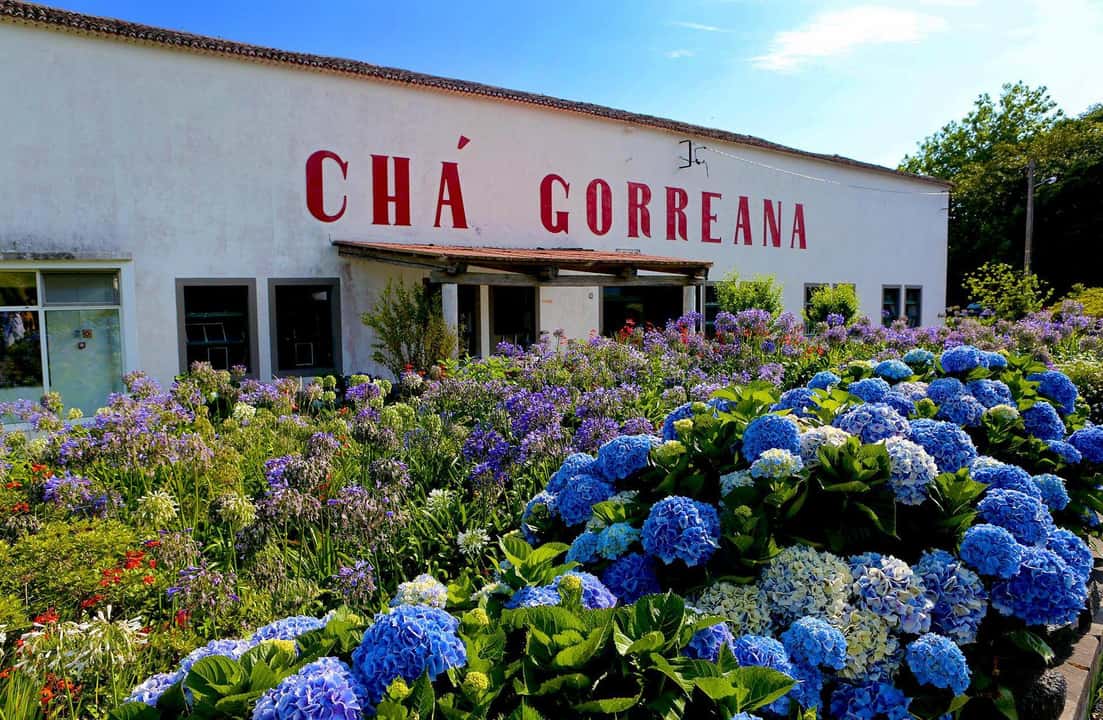
Experience Furnas’ fumaroles and geothermal landscapes, enjoy a traditional lunch and visit Gorreana for a broader look at São Miguel’s food, geology and agriculture.
Whale Watching & Islet Tour with Marine Biologist
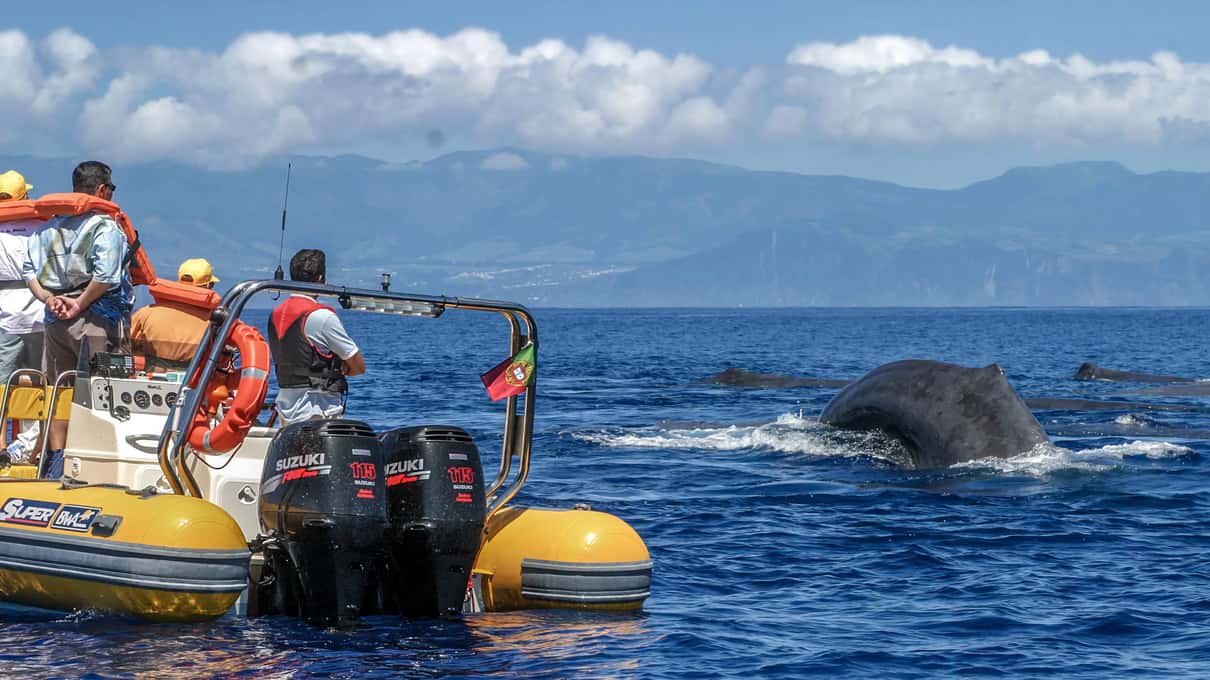
Search for whales and dolphins with a marine biologist and shore-based spotters, then circle the volcanic Vila Franca do Campo Islet on the return journey.
Table of Contents
Best São Miguel Tours at a Glance
These are the São Miguel experiences I think add the most value compared with simply exploring the island independently
| Tour | Best for | Duration | Rating | Price | Pickup | My verdict |
|---|---|---|---|---|---|---|
| Sete Cidades & Lagoa do Fogo Jeep Tour ★ BEST OVERALL | First-time visitors | 8 hrs | €€ | Yes | Best first tour | |
| Furnas Volcano, Tea Plantation & Lunch Tour ★ BEST FOR FURNAS | Geology & food | 8 hrs | €€ | Yes | Best east-side day | |
| Whale Watching & Islet Tour with Marine Biologist ★ BEST WILDLIFE | Wildlife | 3 hrs | € | Available | Essential marine experience | |
| Small-Group Ponta Delgada Food Tour | Food & culture | 3.5 hrs | €€ | No | Best cultural tour | |
| Ribeira dos Caldeirões Canyoning | Adventure | 3–4 hrs | €€ | Varies | Best active experience | |
| Nordeste, Cliffs & Waterfalls Day Tour | Quiet scenery | 8 hrs | €€ | Yes | Best off-the-beaten-track day | |
| São Miguel 2-Day East & West Tour | No rental car | 2 days | €€€ | Yes | Best comprehensive option | |
| Private 4×4 São Miguel Tour | Private touring | 4–8 hrs | €€€ | Yes | Best for couples & groups |
Ratings and tour details can change. Check the linked booking page for current availability, prices and inclusions.

How I Chose These São Miguel Tours
I looked for tours that add something meaningful beyond what you can easily do independently on São Miguel.
Some links on this page are affiliate links, which means I may earn a commission if you book through them at no extra cost to you. Affiliate commissions do not determine the order of my recommendations.

1. Sete Cidades & Lagoa do Fogo Jeep Tour — Best Overall
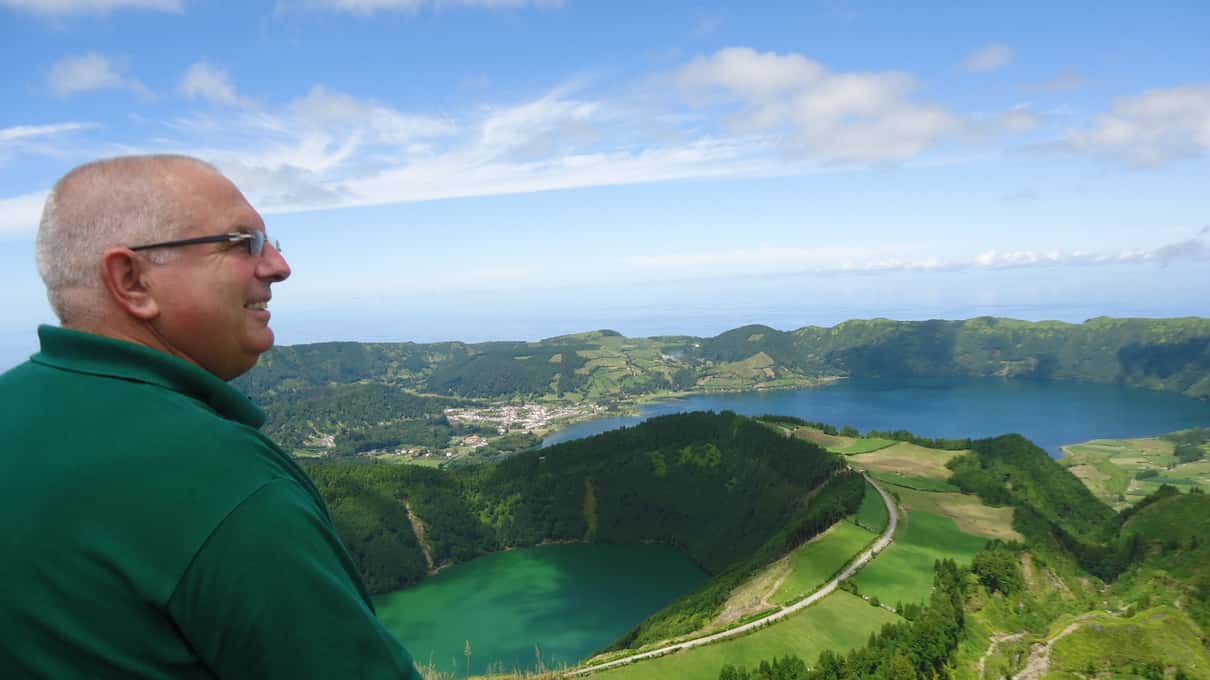
Sete Cidades is the landscape most people imagine when they think of São Miguel. The problem is that most visitors only see a small part of it. They stop at the main viewpoints, take a photo, and move on. The crater is far larger than it looks from the road, and the most interesting areas sit behind old service tracks and narrow dirt roads that regular cars should not attempt.
A 4×4 tour opens the entire crater. You climb onto the rim from angles you would never find on your own, following tracks that cut through pastures and along ridgelines with wide views of the lakes below. The scenery shifts constantly. One moment the water is framed by hydrangeas, the next by open sky and steep volcanic walls.
A local guide explains how the crater formed, how weather patterns swirl inside it, and how the small village at the bottom developed. You begin to understand how the landscape works, not just what it looks like. The pace is slow and deliberate, which means you see the crater as a connected whole rather than a series of stops.
2. Furnas Volcano, Tea Plantation & Lunch Tour — Best for Geology and Food
Furnas is where São Miguel’s volcanic geology becomes impossible to ignore. Steam rises from fumaroles, mineral-rich water bubbles beneath the ground, and the heat of the earth is still used to cook cozido das Furnas, the island’s famous slow-cooked stew. Visiting with a guide adds useful context to what you are seeing, from how the valley formed to the traditions that developed around its geothermal activity.
This full-day tour also continues to the Gorreana tea plantation, where tea has been grown on São Miguel since the 19th century. Walking through the fields and old factory adds another layer to the day, showing how the island’s climate, fertile volcanic soil and agricultural history shaped one of its most distinctive industries.
Together with a traditional lunch and stops around Furnas, it makes this one of the most varied tours on the island: part geology lesson, part food experience and part introduction to rural Azorean life.
3. Whale Watching & Islet Boat Tour — Best Wildlife Experience
Whale watching is one of the defining experiences in the Azores, and São Miguel is particularly rewarding because several cetacean species can be seen throughout the year. Sperm whales are resident around the islands, while other whales and dolphins appear seasonally as they move through the Atlantic. On this tour, shore-based lookouts help locate animals and direct the boat by radio, continuing a technique that developed during the Azores’ whaling era but is now used for observation and conservation.
The trip departs from Vila Franca do Campo with a marine biologist or wildlife guide on board. As you search for whales and dolphins, the guide explains their behaviour, migration patterns and the wider marine ecosystem while also collecting data for local research. On the return journey, the boat circles the volcanic Islet of Vila Franca do Campo, adding one of São Miguel’s most distinctive coastal landmarks to the experience.
For a full breakdown of operators and seasons, read my dedicated São Miguel whale watching guide.
4. Ponta Delgada Food Tour — Best for Azorean Food & Culture
Food is one of the easiest ways to understand São Miguel beyond its volcanic landscapes. Azorean cooking reflects centuries of isolation in the Atlantic, Portuguese traditions, agriculture, fishing, migration, and the ingredients that could actually be produced on the islands. A food tour through Ponta Delgada brings those influences together in a way that simply choosing a restaurant for lunch does not.
This small-group walking tour moves between local eateries, specialist food shops, and the city market while introducing you to a range of Azorean products and dishes. Tastings vary, but can include local cheeses, fruit, preserves, seafood, meat, pastries, tea, and drinks. More importantly, the guide explains where these foods came from and how they became part of everyday life in the Azores.
It is also a very good introduction to Ponta Delgada itself. Between tastings, you walk through the historic centre and learn about the city, its people, and the wider history of the islands. I would consider doing this near the beginning of your stay: besides giving you a much better understanding of Azorean food, you come away with useful ideas about what to order and where to eat during the rest of your trip.

5. Ribeira dos Caldeirões Canyoning — Best Adventure Tour
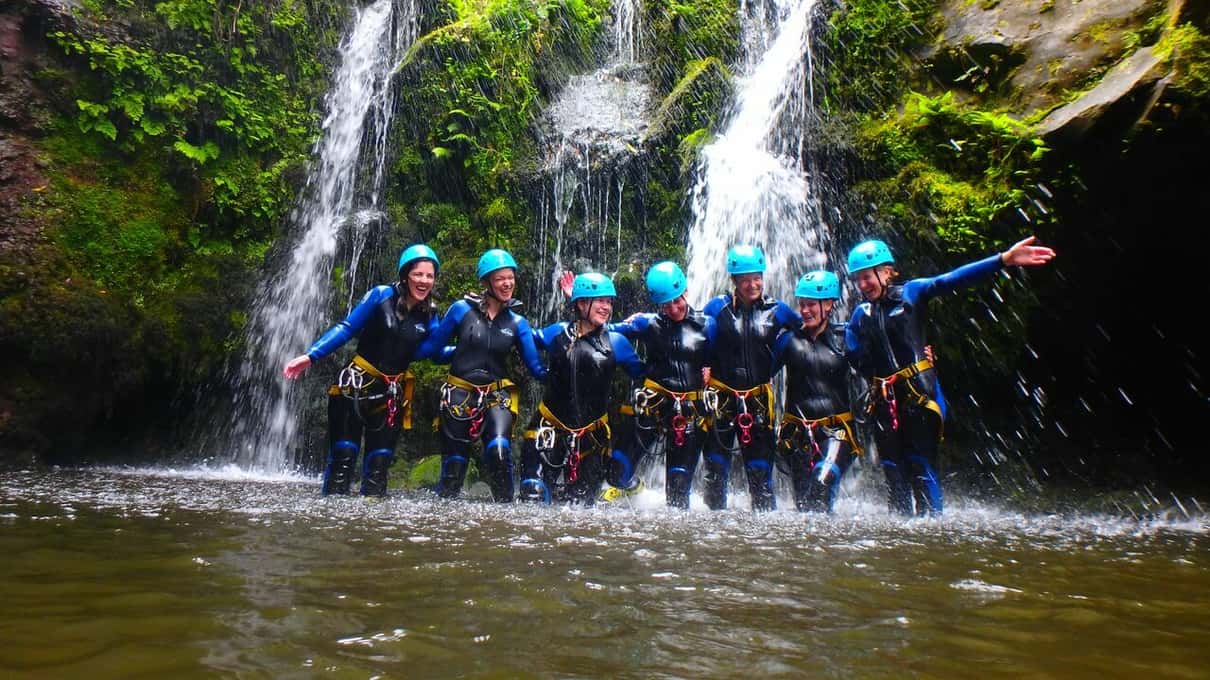
Ribeira dos Caldeirões is one of the best places on São Miguel to experience the island from inside the landscape rather than from a viewpoint. Instead of simply stopping beside waterfalls, you move through the gorge itself, following clear pools, narrow channels and volcanic rock shaped by running water.
With a trained guide, the route combines rappelling, natural slides and optional jumps, with the difficulty adapted to the group. That makes it a good introduction to canyoning even if you have never tried it before. The scenery is lush and dramatic, but the real appeal is the sense of progression through the valley: you are constantly moving, climbing and descending through terrain that would be inaccessible without proper equipment and local expertise.
6. Nordeste, Cliffs & Waterfalls Tour — Best for Quiet Scenery
Nordeste feels noticeably different from the better-known western side of São Miguel. The roads become quieter, the slopes steeper and more heavily forested, and the coast is broken up by dramatic cliffs, waterfalls and beautifully maintained viewpoints overlooking the Atlantic.
A guided day tour works particularly well here because the sights are scattered across the northeast and many of the best stops are easy to pass without knowing they are there. The route typically combines coastal miradouros, waterfalls, small villages and stretches of lush countryside, with a local lunch breaking up the day.
This is the tour I would choose if you have already seen Sete Cidades and Furnas and want to experience a greener, less crowded side of São Miguel. It is not as immediately dramatic as the island’s crater lakes, but the slower pace and relative lack of crowds are exactly what make Nordeste special.
Prefer a private tour? See this private Nordeste option.
7. São Miguel 2-Day East & West Tour — Best if You Don’t Want to Rent a Car
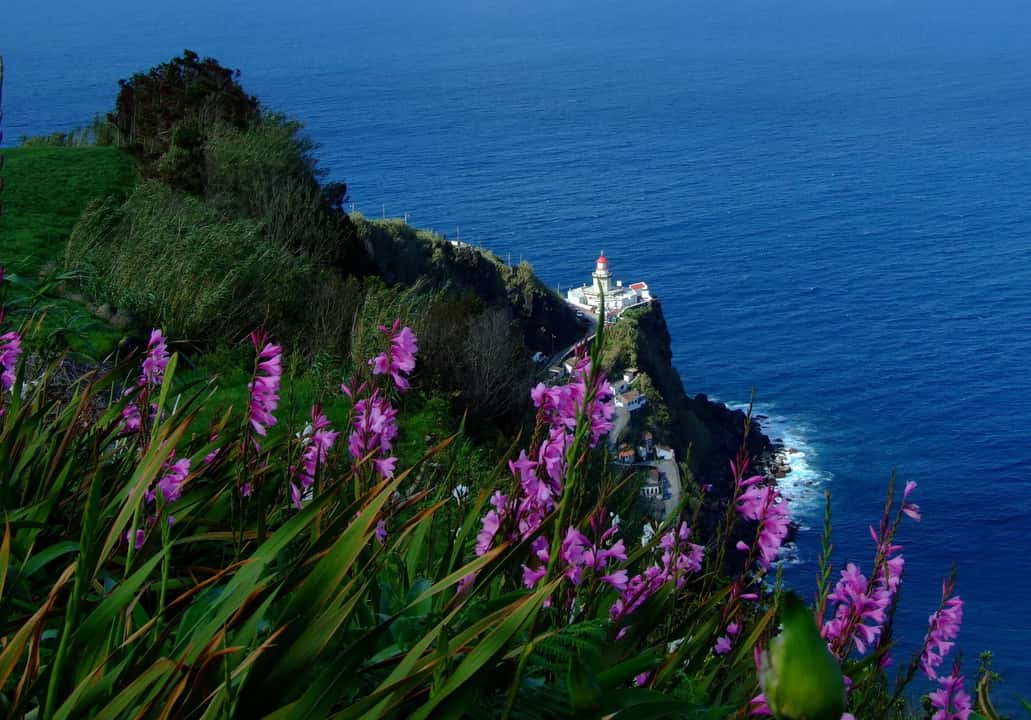
The biggest advantage of this 2-day tour is how much of São Miguel it covers without forcing you to organise transport, parking and routing yourself. Over two days, you see the island’s major volcanic landscapes and contrasting regions, including Sete Cidades, Lagoa do Fogo, Furnas and Nordeste.
The format works especially well for first-time visitors with limited time. Instead of compressing everything into one exhausting day, the island is split into two more manageable routes, giving you a broader sense of how different the west, centre and east really feel. You also have a guide providing context throughout, which helps connect the crater lakes, geothermal areas, tea-growing landscapes and rural northeast into one coherent picture of São Miguel.
I would choose this option if you want a comprehensive introduction to the island but do not want to rent a car or spend time planning multiple independent day trips.
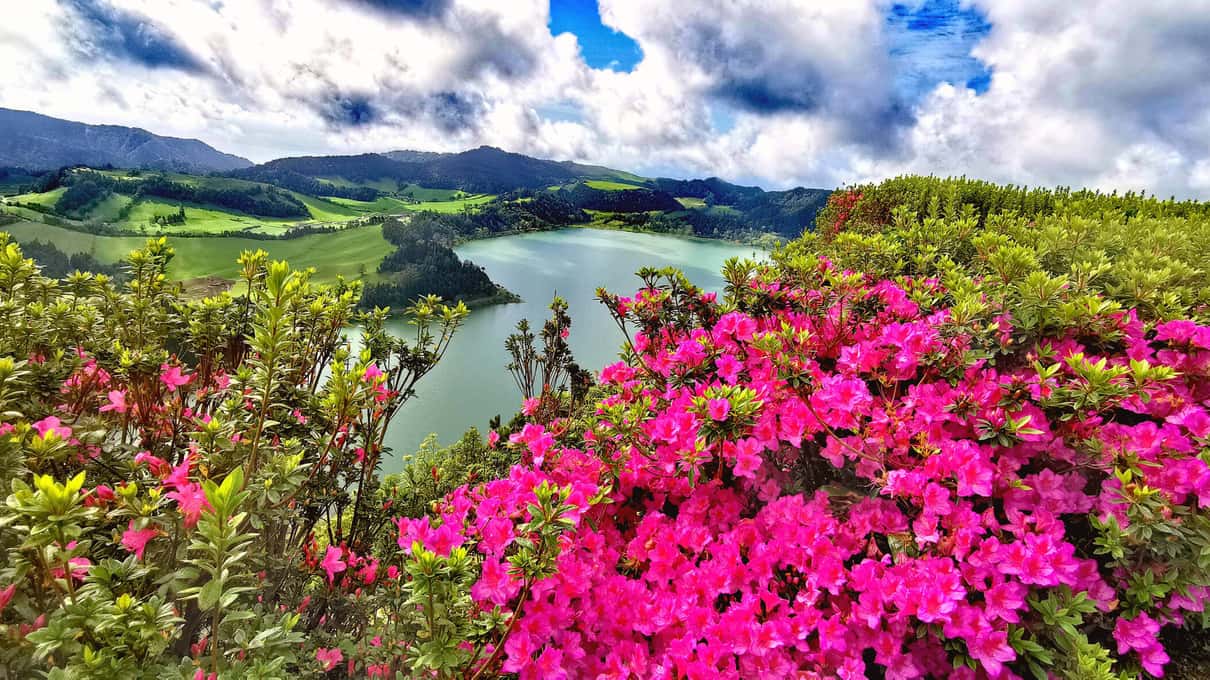
8. Private São Miguel 4×4 Tour — Best for Couples, Families & Flexible Itineraries
A private 4×4 tour makes the most sense if you want to see São Miguel without following a fixed group itinerary. You can focus on Sete Cidades, Furnas, Lagoa do Fogo or combine several areas, with the route adjusted around weather, road conditions and what interests you most.
The real advantage is flexibility. You can spend longer at viewpoints you like, skip stops that do not interest you and use tracks that ordinary rental cars should not attempt. Having a private driver-guide also removes the need to think about navigation, parking or timing, which can be especially useful on a short stay.
I would choose this option for a couple, family or small group that values a slower, more tailored day and is willing to pay more for that freedom.
São Miguel Tours vs Rental Car: Which Is Better?
For most trips to São Miguel, I would not choose between tours and a rental car — I would use both.
A rental car is better for general sightseeing, viewpoints, villages and days when you want complete flexibility. São Miguel’s weather can change quickly, so having your own car also makes it much easier to abandon a cloudy crater lake and explore another part of the island instead.
I would book a tour when the experience genuinely benefits from a guide or specialist access. Whale watching, canyoning and 4×4 routes are obvious examples, while food and geothermal tours add context that you would miss by simply driving between stops.
My preference is therefore to rent a car for most of the trip and spend money on a few carefully chosen tours where the guide, access or expertise noticeably changes the experience.

São Miguel Tours FAQ
What is the best tour in São Miguel if I only book one?
If I were booking only one, I would choose the Sete Cidades & Lagoa do Fogo Jeep Tour . It combines two of São Miguel’s most impressive volcanic landscapes in one day and adds off-road access that you would not get from a normal rental-car itinerary.
Are São Miguel tours worth it if I have a rental car?
Yes, but I would be selective. A rental car is excellent for viewpoints, villages and independent sightseeing, while guided tours are most worthwhile when they add specialist knowledge or access. Whale watching, canyoning, food tours and 4×4 routes are the clearest examples. For the rest of the island, I would combine a few well-chosen tours with independent driving.
Do most São Miguel tours depart from Ponta Delgada?
Many sightseeing tours either depart from Ponta Delgada or include pickup from hotels in and around the city, which makes it the easiest base if you are not renting a car. Some specialist experiences depart elsewhere on the island, however. For example, certain whale-watching tours leave from Vila Franca do Campo, so always check the meeting point and pickup conditions before booking.
How far in advance should I book tours in São Miguel?
For most trips, booking one to two weeks ahead gives you a reasonable choice. I would book earlier for summer, school-holiday periods, small-group tours, private 4×4 trips, whale watching and canyoning, as the best departure times can fill first. If your dates are flexible, check the cancellation terms before committing.
What happens if bad weather affects my tour?
São Miguel’s weather can change quickly, particularly around the crater lakes. Operators may alter the route, postpone an activity or cancel when conditions are unsafe. Boat trips and canyoning are especially weather-dependent. Cancellation and refund rules vary by operator, so check the conditions on the booking page before paying.
Which São Miguel tour is best for first-time visitors?
For most first-time visitors, I would start with the Sete Cidades & Lagoa do Fogo Jeep Tour . If you are visiting without a rental car and want a broader introduction to the island, the 2-Day East & West Tour is the more comprehensive option.
Which São Miguel Tours Are Most Worth It?
São Miguel is easy to explore independently, so I would not book tours simply to be driven from one viewpoint to another. For me, a tour is worth paying for when it gives you access, knowledge or an experience you could not realistically recreate on your own.
If I could choose only one, I would pick the Sete Cidades & Lagoa do Fogo 4×4 tour for the off-road access and broader understanding of the landscape. My second choice would be whale watching, because the marine biologists and traditional lookout system reveal another side of the Azores entirely. Furnas would come third for the connection between geology, food and local traditions.
Beyond those, choose according to your interests. My approach is simple: explore independently where possible, and pay for a guide where it genuinely adds another layer to São Miguel.
For ideas about how to structure your itinerary, check out my detailed Sao Miguel guide with best things to do, best food spots, tips and more.

Last Updated on 03/09/2026 by Panos


