

Pico was my favorite island in the Azores. Its black-lava vineyards, little harbors, natural pools and brooding volcanic mountain gave it a character I did not experience anywhere else in the archipelago. But deciding where to stay in Pico is not as straightforward as choosing the prettiest accommodation on Booking.com.
As I explored the island, I realized how different its coastlines feel. One base puts ferries, restaurants and the vineyards within easy reach; another brings you closer to whale-watching boats and Pico’s maritime history. Elsewhere, you can wake up among lava-stone walls or on an almost silent stretch of coast, but that peace comes with fewer restaurants, longer drives and much greater dependence on a car.
The three principal towns are not interchangeable, and neither are the smaller vineyard and coastal villages between them. Where you should stay depends on how long you have, whether you are renting a car and which side of Pico you most want to experience. Below, I compare the bases I would genuinely consider, including what each one does well, where it falls short and the accommodation options worth checking.
Best Hotels in Pico at a Glance
Pico has relatively few conventional hotels, so this selection also includes studios, cottages and villas that work particularly well as island bases. These are my strongest choices for different budgets, locations and styles of trip.
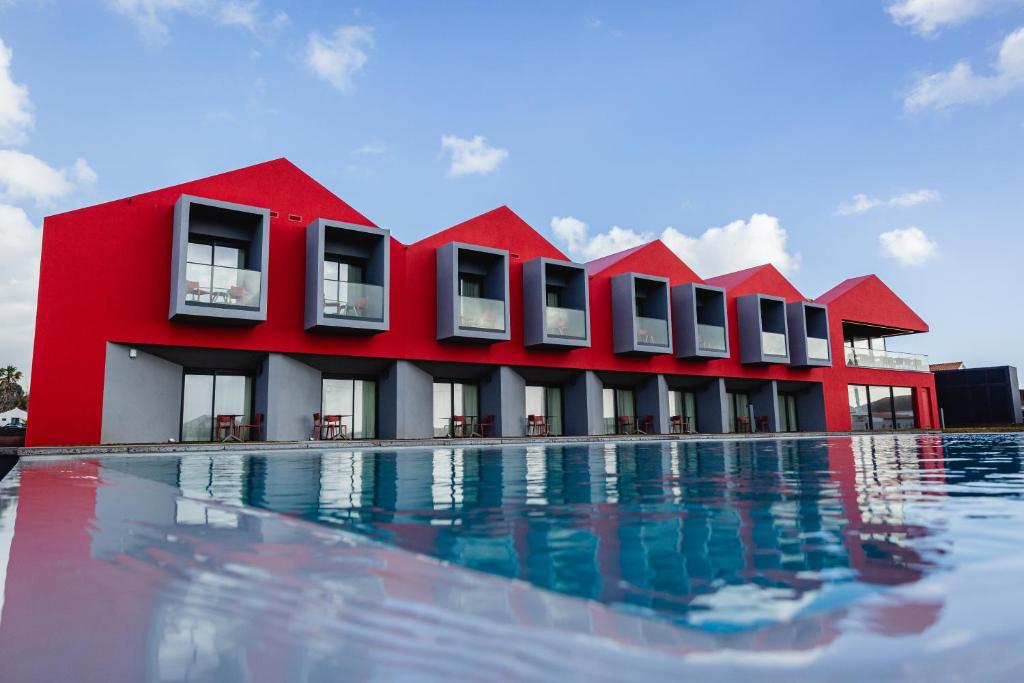
Pico Terramar & SPA
Areia Larga, near Madalena
A contemporary hotel between Madalena and the western vineyards, with indoor and outdoor pools, wellness facilities and proper hotel services. The strongest all-round choice if you want more facilities than a self-catering cottage provides.
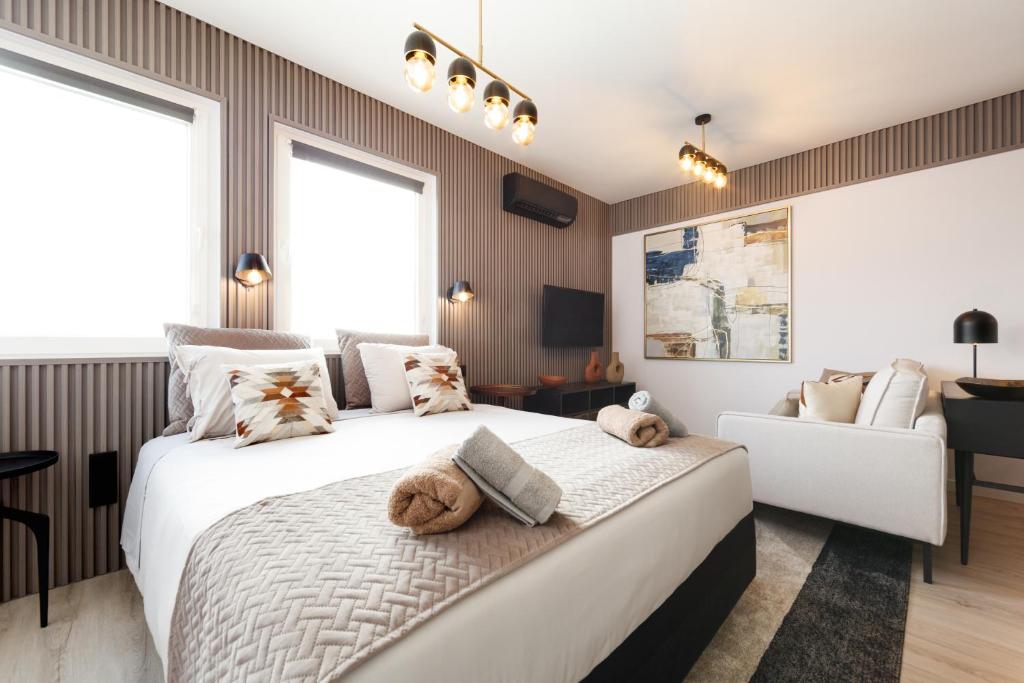
Pico Studios
Central Madalena
Modern self-catering studios close to Madalena’s ferry terminal, restaurants and shops. A practical choice for a short stay or for travelers who want everyday essentials within walking distance.

Pico Island Villas
Criação Velha
Contemporary villas surrounded by Pico’s lava-walled vineyards, with sea views, privacy and outdoor space. Best for couples who want a distinctive setting while remaining close to Madalena.
More Pico Hotels Worth Considering
| Hotel | Area | Best for | Why choose it | Price |
|---|---|---|---|---|
| Aldeia das Adegas | São Roque do Pico | Traditional-style cottages | Independent cottages inspired by Pico’s old wine houses, with more space and privacy than a conventional hotel room. | €€ |
| Aldeia da Fonte | Near Lajes do Pico | A south-coast hotel | Volcanic-stone buildings, gardens and a swimming pool within a short drive of Lajes and its whale-watching departures. | €€€ |
| Lava Homes | Santo Amaro | A longer rural stay | Well-equipped cottages with Atlantic views, a pool and enough facilities for several nights away from the main towns. | €€€ |
| Loving Strangers Hostel | Madalena | Budget and solo travel | A sociable, affordable base close to Madalena’s ferry terminal, restaurants and everyday services. | € |
| Engenho Hostel | Lajes do Pico | Whale-watching trips | A converted distillery in town, convenient for the harbor, whaling museum and excursions departing from Lajes. | € |
| O Zimbreiro | Piedade | A remote eastern retreat | A secluded base with gardens and Atlantic views for travelers who value quiet more than proximity to restaurants and services. | €€€ |
Price guide: € = budget · €€ = moderate · €€€ = higher-end · €€€€ = luxury. Prices vary considerably by season, room type and availability.

Best Areas to Stay in Pico Compared
Pico’s towns and villages offer very different experiences. Compare the atmosphere, practical drawbacks and transport requirements before choosing your base.
| Area | Best for | Main drawback | Do you need a car? |
|---|---|---|---|
| Madalena and Areia Larga | First visits, ferry connections, restaurants and shorter stays | Busier and less secluded than Pico’s rural areas | Optional in town; needed to explore the wider island |
| Criação Velha | Vineyard scenery and rural surroundings close to Madalena | Very limited restaurants and services within walking distance | Strongly recommended |
| São Roque do Pico | Natural pools, north-coast scenery and quieter evenings | Fewer restaurants than Madalena and a more spread-out layout | Recommended |
| Lajes do Pico | Whale watching, maritime history and exploring the south coast | Less convenient for repeated visits to Madalena and the western vineyards | Recommended |
| Prainha and Santo Amaro | Rural cottages, open-ocean views and longer peaceful stays | Limited shops, restaurants and evening options | Essential |
| Piedade and eastern Pico | Coastal scenery, walking and maximum isolation | Farthest from the ferry, airport and principal services | Essential |
My short answer: choose central Madalena for a first visit, a short stay or a trip without a rental car. With a car, consider Criação Velha for vineyards, São Roque for the north coast, Lajes for whale watching, or eastern Pico for genuine isolation.
Considering a vineyard house or somewhere outside the main towns? Check car availability alongside accommodation so you know what the two will cost together. Compare rental cars for your Pico dates.
Table of Contents
How I Chose These Hotels
This shortlist brings together places I stayed myself, others where friends stayed, and tips from locals during my time on Pico. Those are different kinds of recommendations, and I distinguish my own experience from what others shared with me. I haven’t personally stayed at every property featured here.
I’ve organized the options around practical questions: can you walk to dinner, does the location suit your planned activities, and will you need a car? A vineyard house might be a lovely place to spend several days but an awkward choice for a short visit built around ferry departures.
For each property, I explain what makes it worth considering and what might make you choose somewhere else. The aim is to help you find somewhere that fits your trip, rather than present every hotel as the perfect stay.

1. Madalena and Areia Larga – Best Overall for First-Time Visitors
Madalena is the largest town on Pico and the main arrival point for ferries from Faial and São Jorge. It’s the island’s most practical base, especially if you’re island‑hopping or want easy access to restaurants, cafés, and supermarkets. The town sits right on the water, with views across the channel to Horta and a coastline shaped by volcanic rock.
The atmosphere is livelier here than anywhere else on Pico. You can walk to wine bars, grab a coffee before a ferry crossing, or wander down to the natural pools at Criação Velha. The UNESCO‑listed vineyards are just outside town, and the landscape of black lava walls and green vines is one of the most distinctive sights in the Azores.
Accommodation in Madalena ranges from hostels to chalets to modern studios. It’s a good base if you want convenience, food options, and easy movement around the island.
Best Places to Stay in Madalena, Pico


2. Criação Velha – Best for Vineyards Close to Madalena
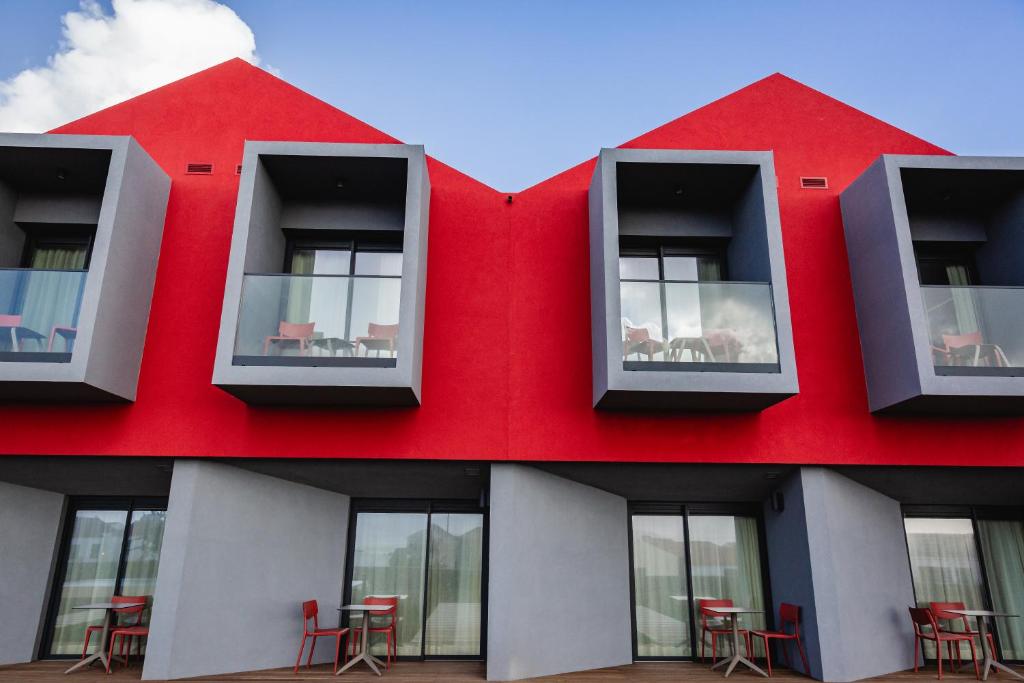
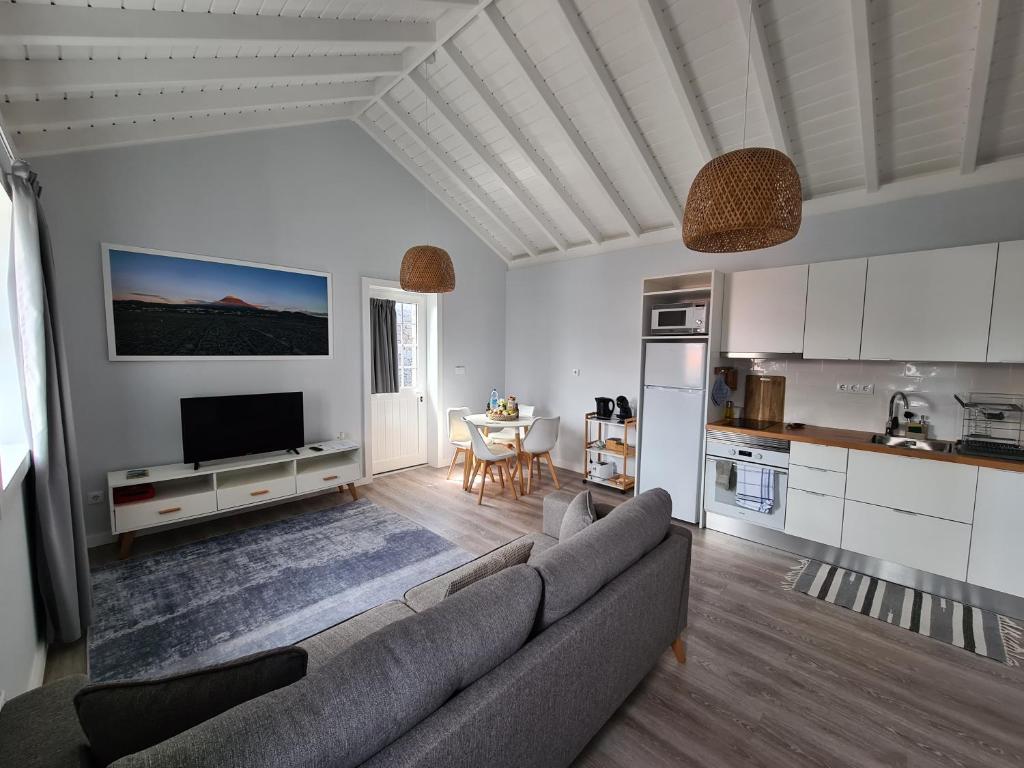
Criação Velha sits just outside Madalena and is the heart of Pico’s vineyard landscape. The lava‑stone walls, black‑rock fields and ocean views make this one of the most photogenic areas on the island. Staying here means waking up inside a UNESCO‑protected landscape while still being minutes from Madalena’s cafés and ferry port. It’s ideal for sunset walks, wine lovers and anyone who wants a rural feel without being remote. The light here at the end of the day is incredible, especially when the vines glow against the dark volcanic rock.

3. São Roque do Pico – Best Quieter Town
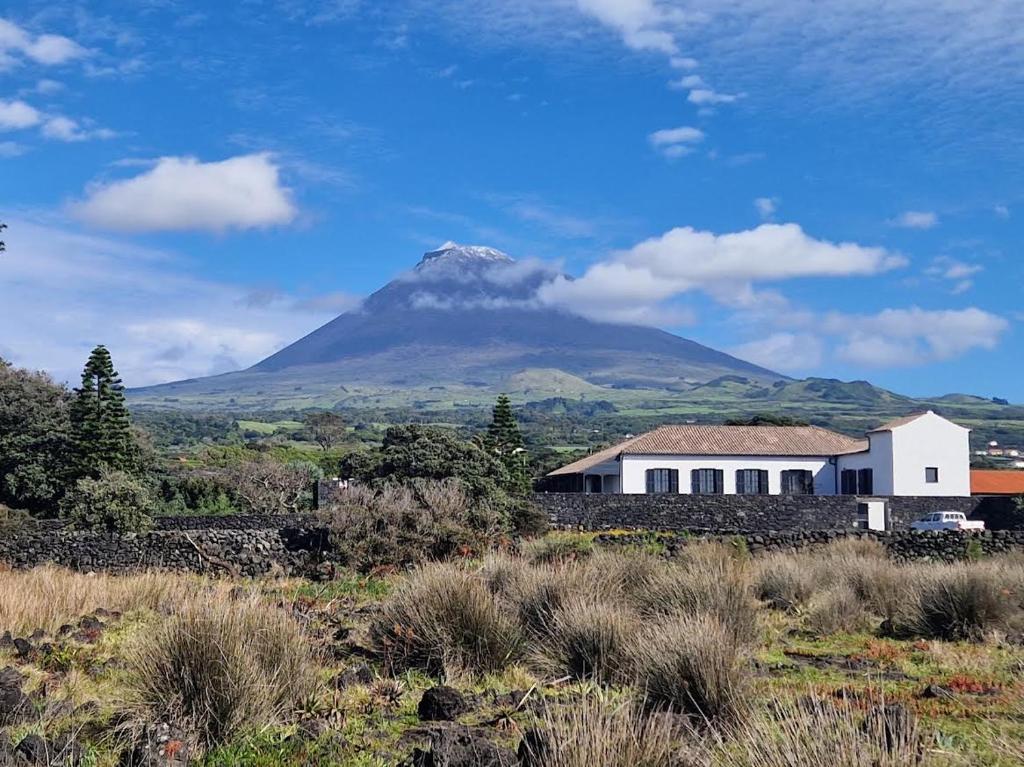
São Roque sits on Pico’s north coast, facing the open Atlantic. It’s quieter than Madalena and more spread out, with small cafés, a harbor, and some of the island’s best natural swimming pools nearby. The coastline here is dramatic with black rock, deep water, and long views toward São Jorge.
This area suits travelers who want a calmer base without being isolated. You’re close to the natural pools of Poça Branca and the bathing areas around the harbor, and the drive to Mount Pico’s hiking trailhead is straightforward. The north coast also tends to feel more spacious and less built‑up than the south.
São Roque is a good choice if you want ocean views, quiet evenings, and easy access to swimming spots.
Best Places to Stay in Sao Roque, Pico


4. Lajes do Pico – Best for Whale Watching
Lajes do Pico is one of the most atmospheric towns on the island. It sits on the south coast, where the weather tends to be sunnier and the sea calmer. Historically a whaling town, Lajes is now the center of Pico’s whale‑watching industry, with boats leaving daily in season and a museum that explains the island’s maritime past.
The town has a relaxed, lived‑in feel. You can walk along the waterfront, swim in the natural pools, or sit at a café overlooking the harbor. The surrounding coastline is rugged and beautiful, with volcanic cliffs and small coves. Lajes also makes a great base for coastal walks and for exploring the eastern side of the island.
Of all the towns on Pico, Lajes has the strongest sense of identity and often the best weather.
If you’re staying in Lajes for whale watching, choose your boat trip before settling on accommodation nearby. My Pico tours guide covers options to compare. Check the departure point before booking, as not every trip leaves from Lajes.”
Best Places to Stay in Lajes do Pico



5. Prainha and Santo Amaro – best rural north-coast stay
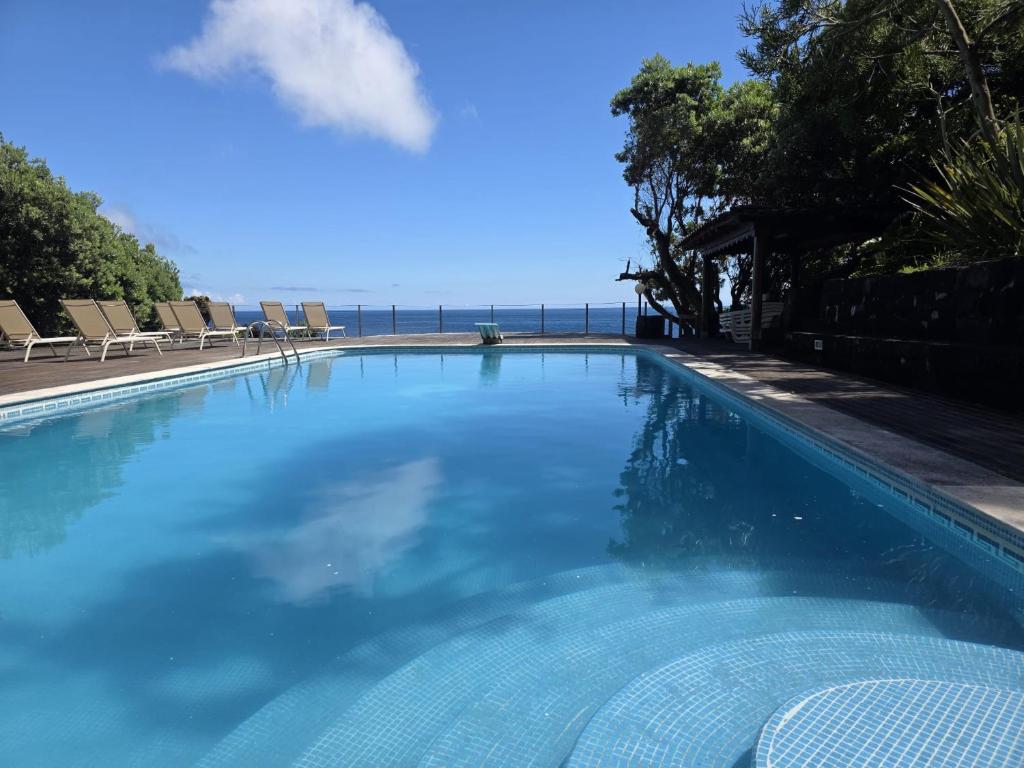
Prainha is a small north‑coast village built around natural pools and a sheltered bay. The coastline here is rugged and beautiful, with long views toward São Jorge and some of the clearest water on the island. It’s a peaceful place to stay if you want to swim in volcanic pools, wake up to open‑ocean views and avoid the busier towns. You’re still close enough to São Roque for groceries and cafés, but the atmosphere in Prainha is noticeably quieter and more residential.
6. Piedade and eastern Pico – Best Remote Escape
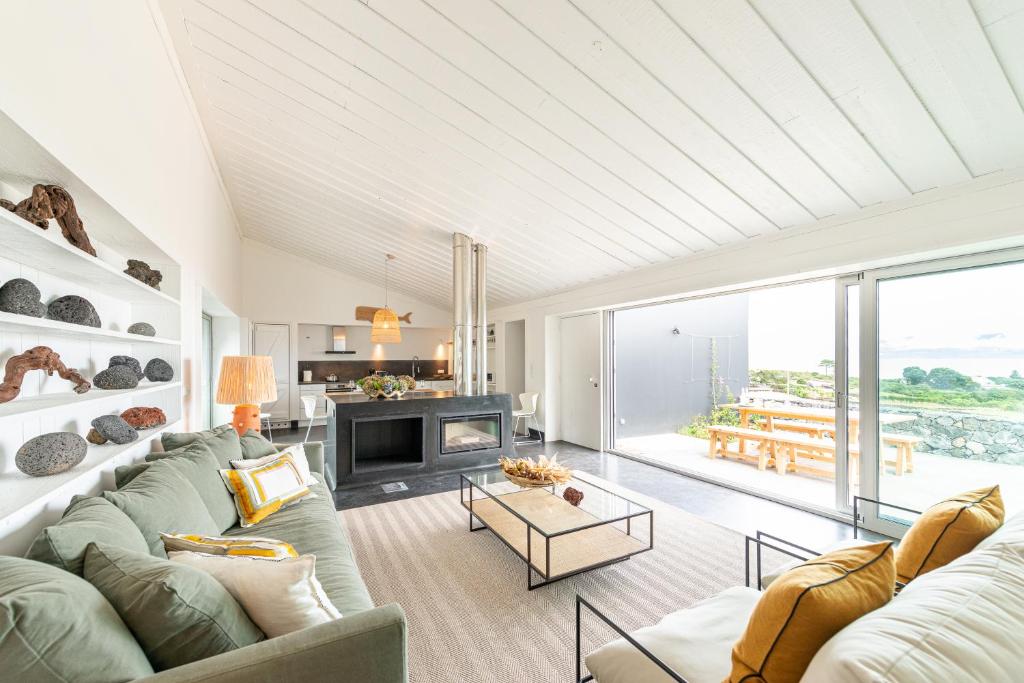
Piedade lies on the far eastern tip of Pico, surrounded by forests, cliffs and some of the island’s most dramatic coastline. It’s remote and quiet, with a greener, more humid feel than the rest of the island. The walking trails around the headlands are some of the most scenic on Pico, and the sense of isolation is real. Piedade suits travelers who don’t mind being far from restaurants and prefer nature, space and slow mornings over convenience.


Other places to consider: Santa Luzia and São Mateus
Pico stretches along a long volcanic ridge, and while Madalena, São Roque and Lajes do Pico are the most practical bases, a few smaller villages offer their own atmosphere. These places work best if you want quiet evenings, strong landscapes and a base that feels more local than touristic. They’re not as convenient for restaurants or services, but they give you a different side of the island.
Santa Luzia
Santa Luzia sits inland, close to the UNESCO‑listed vineyard landscape and the road that climbs toward Mount Pico. The area is dotted with stone cottages, small farms and long rows of lava‑stone walls. It’s a good choice if you want to explore the vineyards on foot, photograph the landscape at golden hour or position yourself between Madalena and São Roque without staying in either town. Evenings are silent, the sky feels wide and the rural setting makes it easy to disconnect.

São Mateus
The small settlements scattered along the south‑coast foothills between Madalena and Lajes, such as São Mateus, offer some of the best views of the mountain. These areas are rural, quiet and surrounded by vineyards and farmland. They are ideal if you want privacy, easy access to the mountain road and a base close to hiking trails. The south coast also tends to get better weather, which makes these foothill villages a strong option for travelers who want space, scenery and reliable conditions.

Best Pico Hotels by Travel Style
A central studio, a vineyard villa and a remote stone cottage can all be excellent places to stay in Pico, but they suit completely different trips. These are the properties I would choose for each travel style.
Pico Island Villas
A design-focused choice for couples who want privacy, Atlantic views and Criação Velha’s lava-walled vineyards around them, while remaining close enough to Madalena for dinner and ferry connections.

Lava Homes
The strongest option for travelers needing more space and proper self-catering facilities. Its pool, restaurant and north-coast setting make the remote location easier to enjoy for several nights.
Pico Terramar & SPA
Choose it for pools, wellness facilities and a convenient position between Madalena and the western vineyards.
Check availability →Pico Studios
A practical self-catering base close to Madalena’s ferry terminal, restaurants, shops and everyday services.
Check availability →Loving Strangers Hostel
The sociable choice in Madalena, particularly for solo travelers who want an affordable stay near the ferry and town center.
Check availability →Aldeia das Adegas
A good match for travelers who want the character of Pico’s old wine houses without sacrificing modern space and comfort.
Check availability →Engenho Hostel
An atmospheric in-town base in Lajes for travelers who want the harbor, whaling history and tour departures close at hand.
Check availability →O Zimbreiro
Choose this eastern Pico retreat for gardens, Atlantic views and genuine quiet rather than easy access to restaurants and services.
Check availability →Still undecided? Pico Terramar & SPA is the best Pico hotel choice overall, while Pico Studios is ideal without a car. For a more distinctive Pico experience, choose Pico Island Villas for the vineyards or Lava Homes for a longer rural stay.
Where to Stay in Pico Without a Car
If you are visiting Pico without renting a car, stay in Madalena. It is the only base where the ferry terminal, restaurants, supermarkets and several accommodation options are concentrated within a comfortably walkable area. Elsewhere, even dinner or grocery shopping may require a taxi.
Madalena is especially convenient if you arrive by ferry from Faial or São Jorge, as you may be able to walk directly to your accommodation. Pico Airport is outside town, but the transfer is short and easily arranged by taxi.
The best car-free accommodation is Pico Studios, combining a central location with self-catering facilities. Loving Strangers Hostel is the stronger budget and solo-travel option. Pico Terramar & SPA has indoor and outdoor pools and considerably more facilities, although its Areia Larga location is less convenient for travelers relying entirely on foot.
You can explore Madalena’s waterfront, restaurants, swimming areas and nearby wine-related sights without driving. Reaching Mount Pico’s trailhead, Lajes, São Roque and the eastern villages is more difficult because public transport is limited and not designed around visitors’ itineraries.
The practical solution is to combine a Madalena base with organized excursions. My guide to the best tours in Pico Island covers the experiences worth considering when you do not want to arrange every journey independently. Many tours depart from Madalena or offer hotel pickup, although you should confirm the meeting point before booking.
Avoid staying in Criação Velha, Prainha, Santo Amaro or Piedade without a car unless your accommodation provides transfers and you are comfortable eating most meals there. A short visit to Pico is manageable without driving, but a rental car makes longer and more independent trips considerably easier.

Where to Stay in Pico: Frequently Asked Questions
Where is the best place to stay in Pico for a first visit?
I would choose central Madalena for a first visit, especially a short one. Having restaurants, shops and the ferry nearby makes the practical side easier. With a rental car, the western vineyards are worth considering if you prefer staying outside town.
Is Madalena or São Roque better?
Madalena is my pick for convenience, particularly if you are traveling without a car. São Roque makes more sense if your plans focus on the north coast and you prefer a quieter base. Compare each property’s exact location, since staying in either municipality does not necessarily mean being within walking distance of town.
Where should I stay in Pico for whale watching?
Lajes do Pico is a useful base if your chosen whale-watching trip departs there. Check the operator’s meeting point before booking accommodation, rather than assuming every excursion uses the same harbor. If your boat leaves from Madalena, staying there may be more convenient.
Where should I stay before climbing Mount Pico?
Madalena or the western side of Pico would be my starting point when comparing accommodation for a climb. Check the driving route to Casa da Montanha, the mountain’s registration and starting point, rather than judging proximity to the summit on a map. If you book a guided climb, confirm whether transport is included and where you will meet.
Can I stay in Pico without renting a car?
Yes, particularly if you stay in central Madalena and combine time in town with organized excursions or prearranged taxis. Confirm tour pickup arrangements before booking, since hotel collection is not always included. A remote cottage is a less practical choice if you want to avoid driving altogether.
How many nights should I spend on Pico?
I would allow four or five nights for a first visit, especially if you want both whale watching and a mountain climb. That gives you some flexibility if the weather disrupts a planned activity, though it cannot guarantee you will fit everything in. Three nights can work for a more selective visit; a week leaves more room for walks and slower days.
Is it better to stay in one base or split my stay?
For three to five nights, I would keep one base and avoid losing time to packing and check-in. For a week or longer, splitting between the west and the east can make sense if you want to explore both in depth. Move because it improves your itinerary, not just to try another hotel.
How far ahead should I book accommodation in Pico?
For a summer trip, I would start looking several months ahead, particularly if you have a specific small property in mind. There is no single booking deadline that guarantees the best price or availability. Check cancellation terms and compare rental-car availability alongside your accommodation before committing.
Does Pico have proper hotels or mainly holiday homes?
Pico has both conventional hotels and plenty of apartments, cottages and guesthouses. Pico Terramar & SPA and Aldeia da Fonte are options to consider if you want hotel facilities rather than just somewhere to sleep. Check the individual listing for the services you need, since reception hours, housekeeping and meal options vary.

Final Thoughts
Pico is an island that becomes familiar faster than you expect. The dark coastline, the deep Atlantic, the vineyards warming under the afternoon sun, and that quiet outline of the mountain. It all folds into your days no matter which village you choose as your base. I’ve stayed in different corners of the island over the years, and each one shaped the pace of my time there in its own way: slow mornings in Madalena, long walks along the lava fields near São Roque, evenings in Lajes with the harbor carrying sound across the water. What stays with you isn’t a single viewpoint or attraction, but the way the landscape follows you: steady, understated, and impossible to ignore.
For the full breakdown of what to see, how to plan your days, and the places that genuinely stood out, you’ll find it in my Pico travel guide.
Last Updated on 16/09/2026 by Panos


