

São Jorge taught me quickly that a beautiful room can still be in the wrong place. After driving its ridge roads and descending toward the fajãs, I saw how a short distance on the map could become a slow journey through fog, bends and steep terrain. That is why deciding where to stay in São Jorge deserves more thought than simply choosing the prettiest view. Velas, Calheta, the northern fajãs, Topo and Rosais each create a different rhythm. This guide compares them through what mattered on the ground: driving time, nearby services, isolation and how each base shapes the day.
Best Hotels and Apartments in São Jorge
Accommodation on São Jorge ranges from practical hotels in Velas to apartments above the harbour and nature stays beneath the island’s cliffs. These three picks cover the decisions that matter most: easy logistics, self-catering space or complete immersion in a fajã.

Hotel São Jorge Garden
A waterfront hotel in Velas with gardens, an outdoor pool and balconies facing the channel. The marina, shops, restaurants and car rentals remain within walking distance.
The advantage: it removes most arrival-day friction. Choose a fajã stay instead when remoteness and landscape matter more than convenience.
Check Prices & Availability
Blue Planet São Jorge
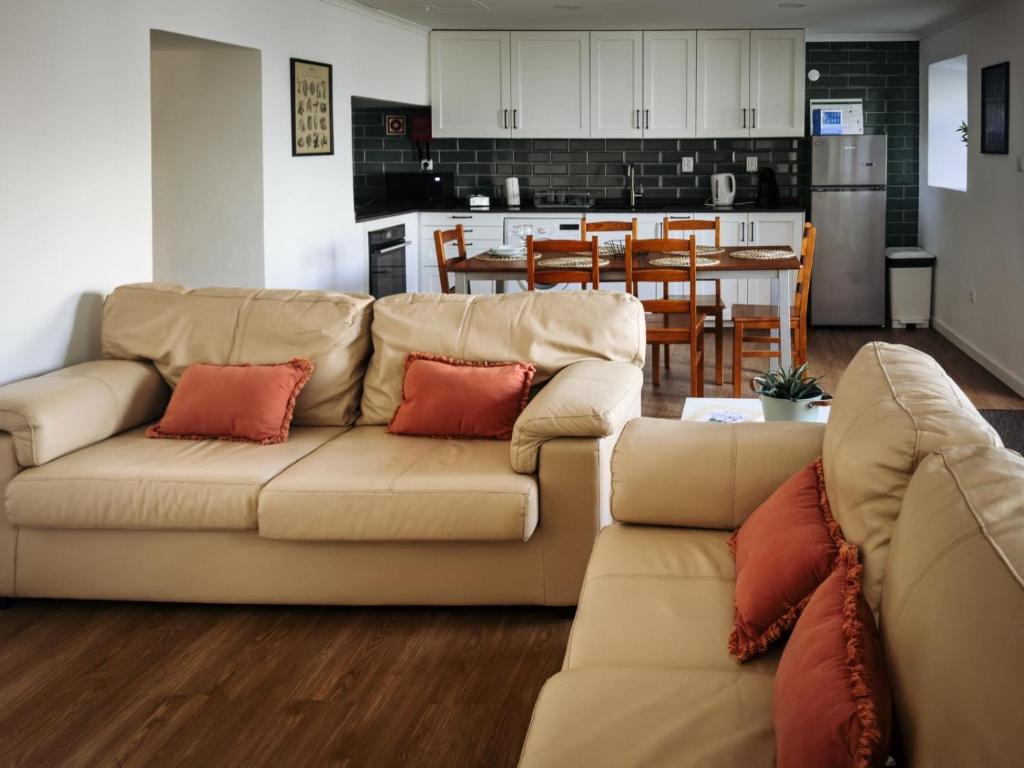
A modern hillside apartment with a kitchen, living area, washing machine and terrace overlooking the sea and mountains. It makes longer stays in Velas feel less hotel-bound.
Check the location: the elevated setting creates the views, but the return from the waterfront may involve an uphill walk.
Check Prices & Availability
Kuanza Nature Experience
Sea-facing accommodation with gardens and terraces in quiet Fajã do Belo. This is the choice for privacy, coastal scenery and waking beneath São Jorge’s cliffs.
Come for the setting: nearby services are limited, and reaching other parts of the island takes more planning than it does from Velas.
Check Prices & AvailabilityMore São Jorge Stays Worth Comparing
These alternatives move farther from the easy Velas experience and deeper into the island’s coastal and rural landscapes.
This section contains affiliate links. If you book through them, I may earn a commission at no extra cost to you.
Table of Contents
Best Areas to Stay in São Jorge
São Jorge stretches farther than its road distances suggest. Velas removes logistical friction, Urzelina combines countryside with easier access to town, and Calheta places you closer to the eastern half. The northern fajãs, Topo and Rosais reward travellers prepared to trade convenience for landscape and solitude.
Velas
Southwest coastUrzelina
South coastCalheta
Central south coastNorthern Fajãs
Below the north cliffsTopo
Far eastern tipRosais & Northwest
Western countrysideThe simplest decision: choose Velas when São Jorge is new to you, Urzelina for rural accommodation near the island’s main services, or Calheta for a quieter base farther east. Book a northern fajã when the setting is meant to become part of the stay, and save Topo or Rosais for trips where solitude matters more than efficiency.
Velas: The Best Place to Stay in São Jorge for a First Visit
The practical base that gives you more freedom
After driving the length of São Jorge, I appreciated Velas most at the beginning and end of the day. The ferry terminal, marina, restaurants, bakeries, supermarkets and car rentals are concentrated within a compact town, so basic logistics never consume more time than necessary.
Velas is the best area to stay in São Jorge for most first-time visitors, shorter trips and island-hopping itineraries involving Pico or Faial. It also offers the widest choice of hotels and apartments, including properties with views across the channel toward Pico.
The town itself is calm rather than lively, and it cannot match the isolation of a fajã. That is precisely why it works. You can return from a long drive, walk to dinner and leave the car parked. Travellers without a car should stay as close as possible to the centre and waterfront, although exploring beyond Velas will still require tours, taxis or arranged transfers.
Where to Stay in Velas, Sao Jorge

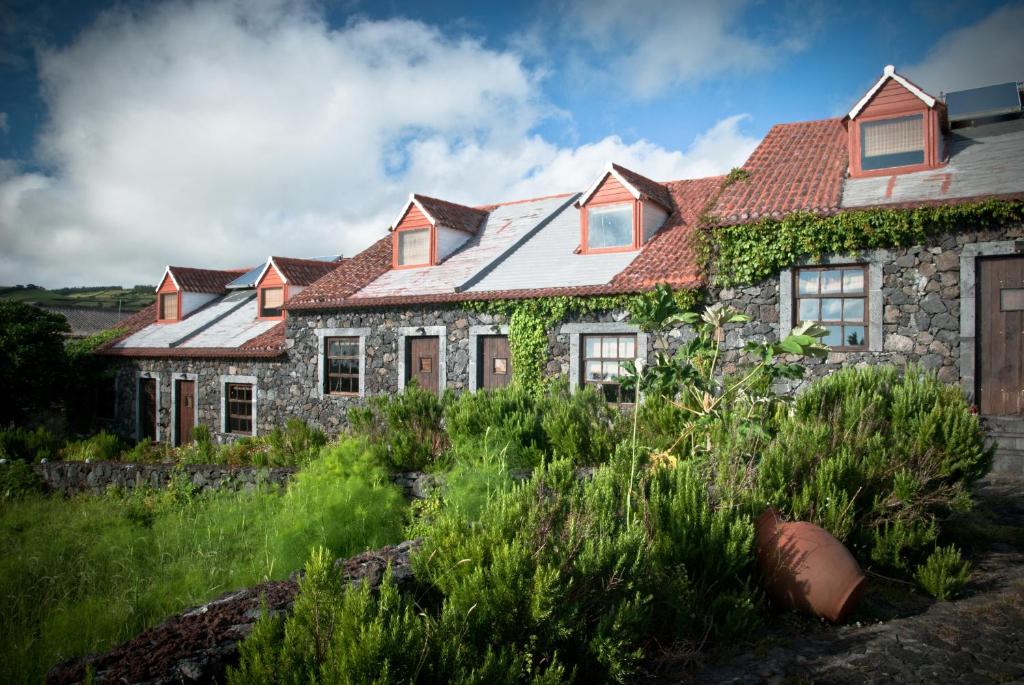

Urzelina and the South Coast: Sea Views Without Leaving Velas Too Far Behind
A strong alternative for countryside accommodation and longer stays
Urzelina spreads along São Jorge’s gentler south coast, surrounded by fields, volcanic stone and open views toward Pico. Accommodation here tends to consist of apartments, guesthouses and rural properties rather than conventional town hotels, making it especially appealing when outdoor space, privacy or self-catering facilities matter.
This area feels noticeably quieter than Velas without committing you to the isolation of Topo or a northern fajã. The trade-off is that restaurants and services are more dispersed, so a car is important. Urzelina works particularly well for couples, repeat visitors and anyone wanting a scenic base within relatively easy reach of Velas.

Calheta: A Quieter Base for Eastern São Jorge
More local than Velas and better positioned for the island’s eastern half
Calheta has a working harbour, a small commercial centre and a rhythm that feels more residential than visitor-focused. What stood out to me was how quickly the island became quieter once I travelled east from Velas. Calheta still provides essential services, but the atmosphere is closer to everyday São Jorge.
Its position makes sense when your plans include the eastern side of the island or access points for the central and northern fajãs. Staying here can reduce repeated drives from Velas, although western São Jorge and ferry departures become less convenient.
Calheta suits travellers with a car who want a functional base without staying in the island’s main town. Dining and accommodation choices are limited compared with Velas, but that is also part of its appeal.
Where to Stay in Calheta, Sao Jorge
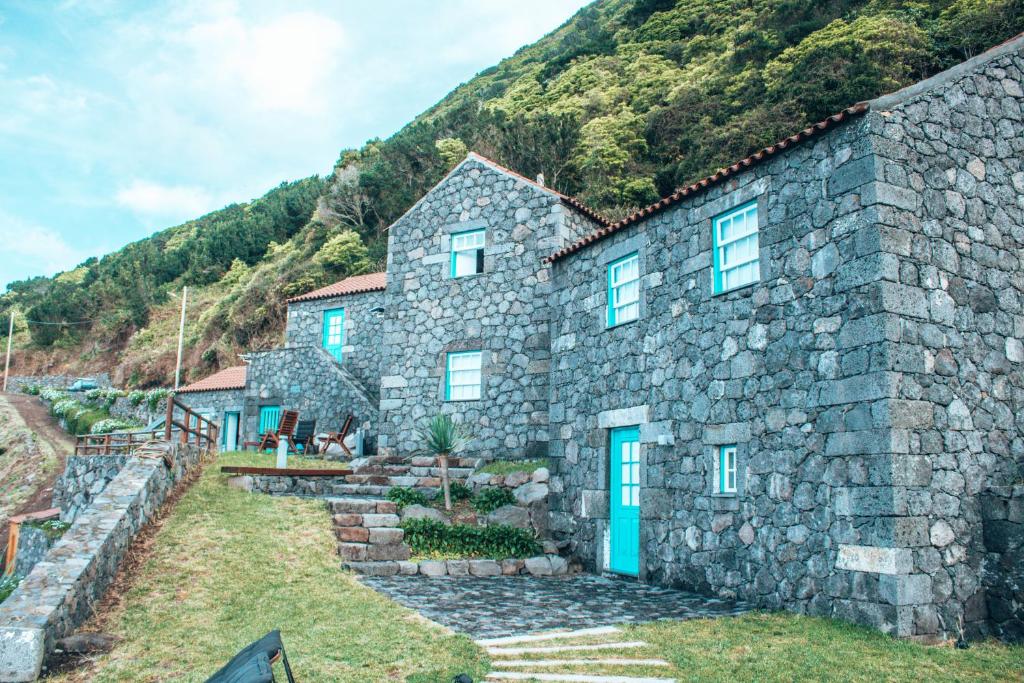
The Northern Fajãs: São Jorge’s Most Memorable Accommodation
Sleep beneath the cliffs and accept that the setting controls the stay
The northern fajãs offer a form of accommodation found almost nowhere else in the Azores. Houses and small retreats sit between immense green cliffs and the Atlantic, creating a sense of enclosure that photographs never quite capture. Down here, the landscape is not something you drive out to see. It surrounds the property from the moment you wake up.
This is the most atmospheric answer to where to stay in São Jorge, but it requires the most careful booking. Check the exact access before reserving because some fajãs involve steep roads, walking routes or luggage transfers. Fajã da Caldeira de Santo Cristo is not a conventional drive-in village, while accommodation in places such as Fajã do Belo may require a walk into the settlement.
Stay in a fajã for silence, hiking and immersion, not restaurant choice or efficient sightseeing. For many travellers, one or two nights here combined with Velas creates a better trip than using a fajã as the only base.
Where to Stay in the Sao Jorge Fajãs


Topo and Eastern São Jorge: Remote by Design
For solitude, open landscapes and travellers who do not mind distance
Topo sits at the far eastern end of the island, beyond the point where most first-time visitors consider staying. The long approach is part of the experience. The landscape becomes greener and quieter, villages thin out and the Atlantic feels more dominant.
Accommodation around Topo works for travellers who actively want isolation, rural surroundings and access to eastern São Jorge. It does not work well as an efficient base for Velas, Rosais or frequent ferry connections. A car is essential, evening options are limited and every westbound day begins with a substantial drive.
For a short first visit, Topo creates unnecessary friction. For a slower return trip, its distance may be exactly the reason to book it.
Where to Stay in Topo, Sao Jorge
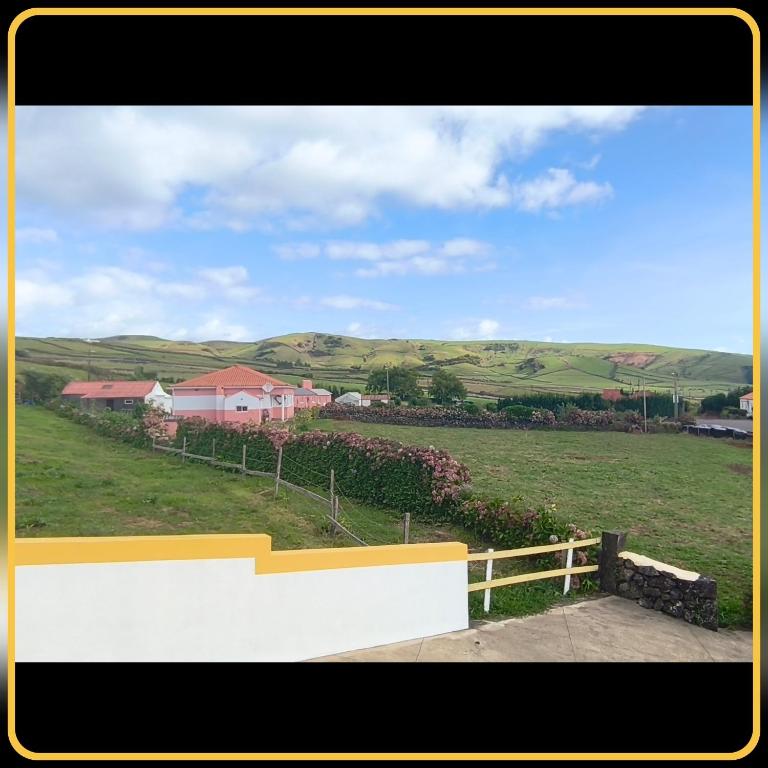
Rosais and Northwest São Jorge: Nature Within Reach of Velas
A peaceful rural base without retreating to the far end of the island
Rosais and the northwest coast offer pastures, forested roads and dramatic cliff scenery while remaining more accessible from Velas than Topo or the northern fajãs. Properties are generally scattered through the countryside, so mornings feel private and evenings become very quiet.
This part of São Jorge suits walkers, couples and travellers who value outdoor space over having restaurants outside the door. It also provides a practical compromise: you gain rural atmosphere without placing the whole island at the end of a long east-west drive.
A car remains necessary, and the precise property location matters. Check the route rather than relying only on the accommodation’s distance from Velas, particularly if you are uncomfortable driving narrow roads after dark.
FAQs About Where to Stay in São Jorge
These answers deal specifically with choosing accommodation and a practical base on São Jorge. Beaches, hikes, viewpoints and wider island planning are covered separately in my main guide.
What is the best area to stay in São Jorge for a first visit?
Velas is the best base for most first-time visitors. After driving across São Jorge, I found that having the ferry port, restaurants, supermarkets and car rentals close together made a noticeable difference. It is the easiest place from which to explore several parts of the island without making accommodation logistics another than necessary.
Is it better to stay in Velas or Calheta?
Choose Velas for ferry access, more places to eat and the simplest first or last night. Calheta feels quieter and more residential, while its position farther east can reduce backtracking on days focused on central and eastern São Jorge. Velas is easier; Calheta offers a more local rhythm.
Where should I stay in São Jorge without a car?
Stay in central Velas if you are visiting São Jorge without a car. The ferry terminal, cafés, restaurants and essential services are within walking distance. Other bases leave you more dependent on limited transport, taxis or arranged transfers, particularly when staying in a fajã or toward Topo.
Is staying in one of São Jorge’s fajãs worth it?
Yes, when the setting is part of the reason for booking. A northern fajã places you beneath São Jorge’s cliffs with the ocean close by and very little surrounding activity. The trade-off is limited dining, fewer shops and slower access to the main road, so check the exact location and arrive with what you need.
Should I stay in Topo or near Rosais?
Choose Topo for genuine remoteness and easier access to the island’s far eastern landscapes. Rosais and the northwest provide countryside, forests and cliff scenery while remaining closer to Velas. Both require a car, but Rosais is less isolating and generally easier to combine with a first visit.
Should I split my stay between Velas and a fajã?
A split stay works best when you have at least five nights and want the fajã itself to become part of the experience. Begin or finish in Velas for straightforward ferry logistics, then spend a night or two beneath the northern cliffs. For a shorter trip, one base avoids unnecessary packing and check-ins.
Final Thoughts on Where to Stay in São Jorge
São Jorge made more sense to me once I stopped looking for one perfect base. The island is too long, steep and varied for that. Velas removes friction and remains the most sensible choice for a first visit. Calheta feels quieter and more connected to everyday island life, while the northern fajãs place you directly inside the landscape that makes São Jorge unforgettable.
Choose Topo when distance and solitude are part of the appeal, or Rosais and the northwest for forested scenery within easier reach of Velas. Here, the best accommodation is not necessarily the most luxurious. It is the one that puts the right part of this volcanic island outside your door.
Continue with my São Jorge travel guide for viewpoints, coffee farms, coastal trails and everything beyond accommodation.
Last Updated on 11/09/2026 by Panos


