


The Chinggis Khan Statue is enormous even from the road. I knew it was 40 meters tall before I arrived, but the photographs hadn’t prepared me for standing underneath a steel horse and rider in the middle of the Mongolian steppe. A few hours later, I was walking among the granite formations of Gorkhi-Terelj National Park. They made for two completely different halves of the same day.
I did this as an organized day trip from Ulaanbaatar, with a friendly, knowledgeable guide who kept things moving without making the day feel like a race. Along the way I tried archery, held a golden eagle, ate in a ger, climbed toward Aryapala Meditation Temple and spent time among Terelj’s rock formations and river valleys. If you have one full day outside the capital, this is the route I’d recommend.
This guide follows what I saw and did, then explains how to book a similar trip, what the crowded stops are actually like, which activities may cost extra and whether staying overnight makes more sense.
Updated October 2026. Firsthand impressions are from my own trip; practical details and tour descriptions have been reviewed for this update. Schedules, admission charges and advertised inclusions can change. Booking links are affiliate links at no extra cost to you.
Yes. The statue at Tsonjin Boldog and the popular southern part of Terelj National Park can be combined in one substantial day out of Ulaanbaatar. A sensible route is statue and museum first, then lunch, Turtle Rock, Aryapala Meditation Temple and a little time in the surrounding valleys. Extra activities such as horse riding, archery and eagle encounters depend on the tour and how much daylight you have. Don’t assume every stop or activity will fit into a seven-hour schedule.
Drive east, visit the steel equestrian monument, look around its museum and go up to the viewing platform if access is open.
Explore the park’s best-known scenery, with optional horse riding or another countryside stop before returning to Ulaanbaatar.
Gorkhi-Terelj and Chinggis Khaan Statue Day Trip Map
Both sights lie east and northeast of Ulaanbaatar. The statue is not inside the main visitor area of the national park, but the two work well on a single outing. Use the map to see the stops and how they relate to the city. It’s a wider Ulaanbaatar attractions map, so not every marker belongs on this day trip.
Distance isn’t the whole story. Tsonjin Boldog is roughly 54 km (34 miles) from Ulaanbaatar, while Terelj’s popular visitor sights lie farther along a separate road. City traffic, photo stops and park roads can turn a modest-looking loop into a long day.
My One-Day Gorkhi-Terelj Itinerary
These are sensible planning windows for an early-start trip, not a minute-by-minute record of my own day. Your guide may reverse the route or adjust it around traffic and activity availability.
Start reasonably early and allow for slow exits from the city.
Exterior, museum, horse-head viewpoint and photos. More time if you try the optional activities.
Roadside stops and a traditional lunch in a ger or local dining stop.
Walk around the granite formations and enjoy the open valleys.
Take the uphill path and steps without rushing; check that the temple is open.
Horse ride, quiet valley stop or ger visit if included, followed by the drive back.
Don’t book a flight, train or timed evening event immediately after this excursion. Traffic returning to Ulaanbaatar can be unpredictable, and the best part of Terelj is having enough room to enjoy the scenery instead of watching the clock.
Guided Terelj and Chinggis Khaan Statue Tour
If you want to follow this loop without arranging a driver and separate stops, this is the most relevant bookable excursion of the three options below.

Epic Mongolia in a Day: Genghis Khan, Terelj Park & Camel Adventures
A guided day combining the statue and the popular part of Gorkhi-Terelj. Review the current list of stops, lunch arrangements, activity fees and cancellation policy before paying.
Check dates and availabilityAffiliate link. The tour’s live product page—not this article—governs what is included and the cancellation conditions.
Chinggis Khaan Statue Complex: A 40-Meter Horseman on the Steppe
It’s a striking introduction to Mongolia’s historical identity, and there isn’t much subtle about it. Chinggis Khaan sits astride an immense stainless-steel horse, high above the open landscape. The statue was unveiled in 2008; at about 40 m (131 ft) high, it is widely described as the world’s largest equestrian statue.
The site is associated with a legend about Chinggis Khaan finding a golden whip. I treated that as part of the monument’s symbolism rather than a verifiable event from his life. What you can verify is the scale: standing below the horse, it is difficult to get both the rider and the base comfortably into the same photograph.


Inside the base, stairs and interior circulation lead toward a viewing platform near the horse’s head. The payoff is a wide view over the grassland, but the sense of height is already impressive from ground level. I wouldn’t spend the entire day here: roughly 60–90 minutes works for most people, with a little longer if you enjoy the exhibits or the optional outdoor experiences.

Inside the Statue Museum: Weapons, Old Steppe Cultures and an Enormous Boot
Before heading to the viewing deck, spend some time in the exhibition spaces beneath the statue. The displays include material connected with Mongolia’s earlier steppe societies, weapons and equipment, and the image of the Mongol Empire. They are modest compared with the big museums in Ulaanbaatar, but they’re enough to give the statue more meaning than a roadside photo stop.
The enormous leather boot is a memorable oddity. It looks almost comically large beside the historic artifacts, and it makes the museum feel less solemn than the monument above it.


For a sense of the engineering and the surrounding countryside, spend some time outside after coming down. The monument is one of those places that looks different as you walk around it: sometimes the rider dominates, sometimes the horse, and sometimes the huge steppe behind it.


Eagle Photos, Archery and a Traditional Ger Lunch
Holding a Golden Eagle and Trying Archery
After the exhibits, the atmosphere shifted from grand monument to roadside fairground: people offering photos with eagles, short rides, and a chance to try shooting arrows. I held a golden eagle on my arm, and what I remember most is its weight. The bird was far heavier than I expected. I’d call the encounter touristic but memorable, rather than pretend it was a traditional hunting expedition.

I also tried archery. Looking at someone else’s arrows landing neatly in a target makes it seem much easier than it is. My own attempt was humbling, but a welcome bit of activity between the monument and the drive to Terelj.

These activities are not guaranteed parts of every tour. Some tours charge separately for eagle photos, riding or archery; others include one or two of them. Ask about the total cost first, don’t assume that an experience shown in a promotional photo is part of your ticket, and walk away if you’re uncomfortable with how an animal is being handled.
Lunch in a Roadside Ger
We stopped for lunch at a ger camp. After the statue’s polished visitor center, it was a very different setting: a simple felt-covered structure, practical furnishings and a meal meant to fill you up before going out into the countryside again.
I tried buuz (steamed mutton dumplings), khuushuur (fried meat pies) and airag, the sour, fizzy fermented mare’s milk. I can’t promise you’ll love airag at first sip, but it is unmistakably Mongolian. The dishes were hearty, and the meal made a good pause between the two halves of the trip.

Lunch varies by operator and season. If you have dietary restrictions, tell your provider before the trip—not while everyone is already sitting in a ger with a set menu.
Gorkhi-Terelj National Park: Why the Landscape Is Worth the Drive
The landscape changes as you enter the popular visitor area of Gorkhi-Terelj National Park. Rock formations rise from grassland, hills are dotted with trees, and there are horses and ger camps along the roads. The busy southern section doesn’t feel remote in the way that western or northern Mongolia can, but it is an excellent first glimpse of the countryside.
For me the appeal was in the contrasts. You leave the statue—modern, enormous and deliberately dramatic—and arrive somewhere shaped mainly by granite, water and weather. It is tempting to race between the named formations. I would make time simply to walk a little and look around.

Turtle Rock (Melkhii Khad): Terelj’s Unmistakable Landmark
Turtle Rock is exactly what the name suggests: an immense granite formation whose profile looks like a turtle. It rises above the valley and draws plenty of visitors. We stopped, walked around the base and climbed partway up the lower rock area for a better look.
It’s worth seeing, but don’t feel obliged to scramble higher just because others are doing it. The rocks can be awkward underfoot, and the view from the ground is good enough to appreciate the shape. The story sometimes told about treasure hidden inside the rock is a local legend, not a reason to treat it as an archaeological site.


Praying Lama Rock: An Odd Shape You Might Otherwise Pass
Another formation we saw was Praying Lama Rock, sometimes described as an old man reading a book. It’s much less imposing than Turtle Rock, but the resemblance appears as you change your viewing angle. I liked the way it made us look more closely at the surrounding rocks instead of treating everything but Turtle Rock as background.

Aryapala Meditation Temple: Steps, Prayer Wheels and a Wide Valley View
If you can fit one proper short walk into your day, make it the uphill approach to Aryapala Meditation Temple (also spelled Aryabal or Ariyabal). The modern Buddhist complex sits above the valley, and the path through the grounds is part of the attraction.
There are religious sayings and prayer wheels along the approach, followed by a staircase up toward the temple. Some accounts describe a symbolic 108-step climb. Whatever the exact count on the route you take, it is steep enough to get you breathing harder—particularly when the sun is out. We climbed and had a much better sense of Terelj’s granite hills from above.

The temple was constructed around the turn of the millennium; it is not a medieval monastery. What makes it memorable is its location, the painted Buddhist imagery and the transition from the busy lower path to the quieter interior.


If steps, steep paths or uneven ground are difficult for you, let your guide know early. You can still enjoy Terelj’s valley scenery and Turtle Rock without going all the way up to the temple. Wet, icy or snowy conditions change the difficulty substantially.
Tuul River Valley, Horse Riding and a Visit to a Nomadic Family
Following the Tuul River Through the Valley
We also stopped near the Tuul River, which winds through the broader landscape before continuing past Ulaanbaatar. Here the river passes open meadows and rocky hills, with horses and ger camps scattered through the surrounding countryside. I enjoyed the quieter river stretches as much as the named landmarks; the road and river seemed to follow the same easy rhythm.

A Short Horse Ride in Terelj
I’d wanted to ride in Mongolia, so I was glad our day included some time on horseback. The horses are compact and sturdy, and even a relatively short outing through the grassland feels different from watching the countryside slide past a car window.
For a first ride, I would choose a calm horse and a local handler. Ask how long the riding actually lasts and whether the guide leads inexperienced riders. Don’t let anyone talk you into galloping for the sake of a photograph.

Tea and Everyday Life in a Family Ger
One of my stronger memories is being welcomed into a family’s ger. We shared suutei tsai—Mongolian salted milk tea—and saw some of the work that goes into maintaining a household centered on livestock. There were animals around the camp, and the family explained aspects of preparing milk products, including aaruul, the dried curds kept for later use.
These visits vary. A family living near a frequently traveled park road may receive guests regularly; that doesn’t make their home less real, but it does mean the encounter is part of the local tourism economy. I would be respectful, accept food politely where possible, ask before taking portraits and avoid treating an ordinary working home as a staged exhibit.

How to Visit the Chinggis Khaan Statue and Terelj From Ulaanbaatar
I chose an organized trip because I didn’t want to negotiate a car, work out entrance tickets and time the return from several separate places. Our guide was punctual, knew the route well and made the stops enjoyable. For someone with one spare day in Ulaanbaatar, I still think a small group or private driver is the simplest option.
One-Day Guided Tour: Best If You Have Limited Time
The tour below follows the broad route I recommend: the statue plus Terelj’s most recognizable scenery, with cultural activities along the way. It is a booking suggestion, not a claim that it’s the exact company I used. Read the current inclusions carefully: advertised camel activities and eagle encounters can vary in price and availability.
You can check current dates and inclusions for this one-day tour before booking. I would look closely at the time allowed at Aryapala and the cost of optional activities.
Going Independently With a Driver
It is possible to plan the day yourself, provided you have reliable transport. I would agree on the following in advance: pickup point and time, the statue and museum, Turtle Rock, Aryapala Temple, time for lunch, whether a horse ride or ger visit is expected, return time and the full price. Confirm whether the driver speaks enough English to help with the stops or is providing transport only.
Public transport is not a convenient way to connect all these places in a single day. The main issue is the gaps between sites, rather than reaching the general Terelj area. A rental vehicle can work if you are comfortable driving in Mongolia and understand the road conditions, but a driver lets you actually enjoy the day.
If you’re still deciding between this excursion and wildlife or monastery trips, my comparison of the six best day trips from Ulaanbaatar is the place to start. For city sightseeing before the countryside, use my two-day Ulaanbaatar itinerary.
Should You Spend One Night in Gorkhi-Terelj?
One full day works. You can see the statue, Turtle Rock and Aryapala, and get a good taste of the region. But if you stay overnight, the pace changes. There’s time for a longer walk or horse ride and a calmer evening after the main day-trip groups leave.
Travel on your own schedule and choose whether you want comfortable hotel facilities or a simpler countryside stay. Confirm transport to and from your accommodation.
Usually the easier route if you want transport, guiding and activities handled together. Check exactly which accommodation is included.
Option 1: Terelj Hotel & Spa for a Comfortable Overnight Stay
Terelj Hotel & Spa is the comfortable hotel option I would consider when the idea is to slow down and enjoy the scenery without giving up a pool, spa, restaurants and a proper room. The hotel has a heated indoor pool and offers help arranging local activities. It is a different experience from sleeping in a simple ger camp, and typically a much higher budget.
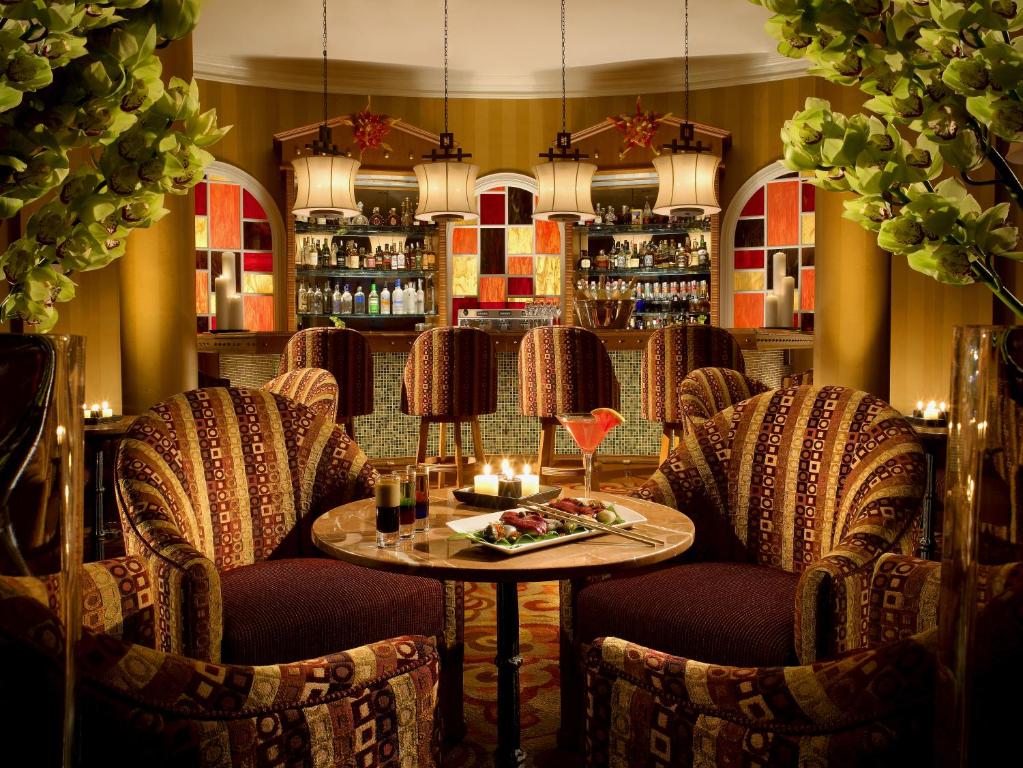
Terelj Hotel & Spa
A full-service hotel in the Terelj area with spa, indoor swimming pool and outdoor activities. Best suited to travelers making an independent overnight trip.
Check room ratesImportant: booking this hotel does not book your transport or the guided day tour automatically. Arrange those separately unless the hotel confirms a package.
Option 2: A Two-Day Guided Tour With Overnight Accommodation
If you’d rather not deal with several bookings, a two-day guided trip allows more time in the park than the usual excursion from Ulaanbaatar. The tour listed below is a separate Viator product. Its current booking conditions determine the overnight lodging, not the hotel recommendation above.

2 Days in Terelj National Park and Chinggis Statue
A two-day statue-and-Terelj itinerary with more time for the countryside. Confirm whether accommodation is in a ger, what meals and riding time are included, and the cancellation policy.
See two-day tour detailsDo not assume so. These are two different booking products. The organized overnight tour may use a ger or another property; check the accommodation name in its live itinerary. Book the hotel separately only if you intend to arrange your own overnight stay.
Terelj Day Trip Costs, Best Season and Practical Tips
Admission Fees and Opening Hours
I have seen statue admission quoted at 30,000 MNT, and opening times around 10 AM–6 PM. Use those as rough reference points, not verified current rates or guaranteed hours. Prices and ticket arrangements may change for the museum, viewing platform, temple and park.
Ask your driver or tour provider for the current total cost of admission and paid activities before setting off. When a tour says “entrance included,” check whether that covers both the statue and Aryapala, and whether animal encounters and archery are extra. A cheap-looking excursion can become considerably less cheap after additions.
When Is the Best Time to Visit Gorkhi-Terelj?
| Season | What to expect | My planning tip |
|---|---|---|
| June–August | Green valleys, longer days, busier roads and popular stops | Start early and reserve popular tours in advance. |
| September–October | Cooler air, changing colors, shorter days | Bring warm layers and build in daylight for the temple walk. |
| November–March | Deep cold, possible ice and snow, a different landscape | Check road access and whether the chosen activities actually run. |
| April–May | Changeable spring weather; sometimes flowers in warmer stretches | Prepare for wind, mud and big temperature swings. |

What I’d Pack for a One-Day Trip
The route to Aryapala and the rocks around Turtle Rock can be rough or slippery.
Conditions in the hills change more quickly than a morning in the city might suggest.
Useful for small paid activities, drinks, tips or stops not covered by your tour.
The open steppe offers little shade in the warmer months.
Are the Eagle and Horse Experiences Ethical?
Animal-based tourist activities deserve some scrutiny. The eagle I held was a memorable encounter, but I would not suggest that every roadside display represents the traditional practice of eagle hunting. Look at the animal’s condition and handling, ask how it is kept and decide whether you’re comfortable supporting the operation.
For horses, request a helmet where available, use a responsible local handler, choose a pace appropriate to your experience and avoid rides that seem rushed or unsafe. The best part of riding in Terelj is seeing the countryside up close—not performing for a photograph.
Can You Visit Without Spending the Night in Ulaanbaatar?
Yes, but most people take the excursion from the capital because that simplifies transport. If you are building a longer Mongolia three-week itinerary, you can also fold Terelj into your road-trip route and continue onward instead of returning to Ulaanbaatar the same evening. Ask your driver about the added distance before assuming it fits neatly into a cross-country itinerary.
Gorkhi-Terelj and Chinggis Khaan Statue FAQs
Is one day enough for Gorkhi-Terelj and the Chinggis Khan Statue?
Yes, if you focus on the statue complex, Turtle Rock and Aryapala Meditation Temple, with time for lunch and perhaps one short activity. Expect a full day; staying overnight is better for longer rides, additional walks and a slower pace.
How far is the Chinggis Khaan Statue from Ulaanbaatar?
The statue complex at Tsonjin Boldog is about 54 km (34 miles) east of Ulaanbaatar. Allow more time than the distance alone suggests, especially when leaving or reentering the capital.
Can you visit the statue without going to Terelj National Park?
Yes, but it is usually not the best use of a full day. If you have time, combine the statue with the rock formations and landscape of Terelj.
Is Gorkhi-Terelj worth visiting if I am already traveling around Mongolia?
It depends on your route. If your wider trip includes the Gobi, Orkhon Valley and Lake Khuvsgul, Terelj may feel less remote by comparison. It remains a useful, accessible first taste of Mongolia and a good addition when you only have a day near Ulaanbaatar.
Can I see Turtle Rock and Aryapala Temple without a guide?
Yes, provided you have suitable transport to reach and move between the sites. The short walks themselves do not ordinarily require a specialist guide, but route finding and getting back to the city are much easier with a driver.
Does the day tour include camel riding and an eagle encounter?
Not necessarily. Compare the full itinerary and inclusions on the booking page. Availability, weather and supplementary fees vary, and an animal experience appearing in a tour photograph does not guarantee it is included.
How hard is the Aryapala Meditation Temple walk?
It is a short uphill walk with a staircase and uneven sections. Many visitors with reasonable mobility can manage it, but it is not step-free, and ice or rain can make it more difficult.
Is Terelj Hotel & Spa included in a two-day Terelj tour?
No automatic connection should be assumed. The hotel and the two-day tour are separate products. Check the live tour itinerary for the actual accommodation, which may be a ger camp or another property.
Which is better, Terelj or Hustai National Park?
Choose Terelj for scenery, easy walking and the Chinggis Khaan Statue. Choose Hustai for wild takhi horses, conservation and wildlife photography. My Ulaanbaatar day-trip comparison looks at the alternatives.
Would I Book This Day Trip Again?
Yes, absolutely. I enjoyed seeing the enormous statue and its museum, but the part I remember most clearly is how much variety the day held: a bit of history, an eagle on my arm, a failed attempt to look accomplished at archery, a hearty ger lunch, the odd shape of Turtle Rock and the walk up to Aryapala.
The only adjustment I’d make is to be more selective about the extras. There’s no need to collect every photo opportunity. I’d spend longer walking in the park, or stay for a night if I wanted more time on horseback and a quieter evening. For a first visit to Mongolia, though, the combined route is an excellent introduction to what lies beyond Ulaanbaatar.
Last Updated on 13/10/2026 by Panos


